
Việc quản lý bãi đậu xe của trung tâm thương mại tiềm ẩn nhiều rủi ro. Chỉ một sai sót kỹ thuật nhỏ trong giai đoạn lập kế hoạch cũng có thể khiến khách hàng khó chịu và phải lái xe vòng quanh khu vực. Điều này cũng dẫn đến giảm doanh thu. Để tránh những vấn đề này, việc hợp tác với một nhóm chuyên nghiệp giàu kinh nghiệm như... là giải pháp. TigerWong Điều này hoàn toàn hợp lý. Họ có hơn 25 năm kinh nghiệm trong lĩnh vực này. Hơn nữa, họ đã cung cấp các hệ thống đỗ xe thông minh và kiểm soát ra vào cho hơn 10.000 khách hàng tại hơn 155 quốc gia. Nếu bạn muốn một hệ thống cơ bản... Hệ thống đỗ xe LPR Với các liên kết nhận diện khuôn mặt chi tiết, nhà máy rộng 4.000 mét vuông của họ tại Thâm Quyến sản xuất các thiết bị có độ bền cao, đáp ứng nhu cầu sử dụng thường xuyên trong môi trường kinh doanh. Đội ngũ nhân viên của họ quản lý mọi khía cạnh, từ các đơn đặt hàng OEM/ODM tùy chỉnh đến hỗ trợ kỹ thuật 24/7. Điều này giúp họ trở thành đối tác hỗ trợ vững chắc cho bất kỳ nỗ lực bán lẻ lớn nào.
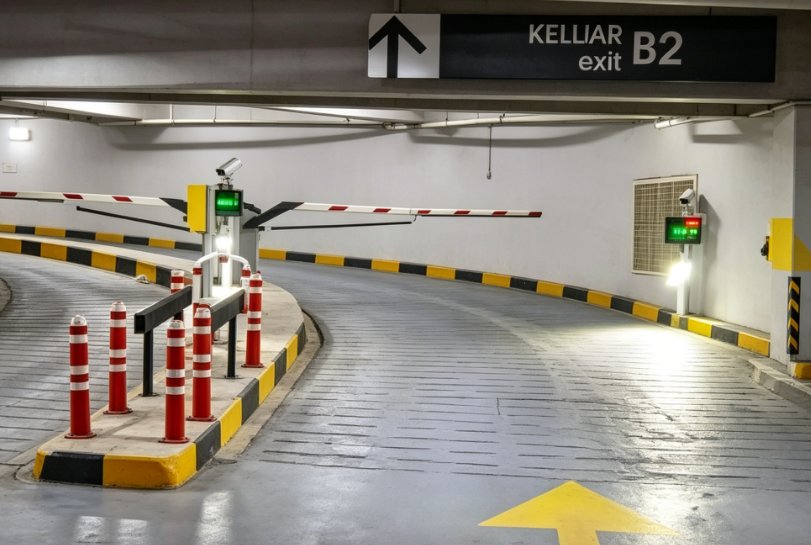
Phân tích các lỗi thường gặp trong hệ thống bãi đậu xe của các trung tâm thương mại hiện đại
Nhiều kế hoạch bố trí bãi đậu xe trong trung tâm thương mại trông có vẻ ổn trên bản vẽ nhưng lại gặp trục trặc vào cuối tuần đầu tiên đông đúc. Sự khác biệt giữa bố cục được lên kế hoạch và tình trạng hỗn loạn thực tế của một trung tâm thương mại đông người thường là nguyên nhân gây ra rắc rối. Bạn sẽ nhận thấy điều đó ở những hàng dài xe cộ kéo dài ra tận đường chính. Những người lái xe bực bội sau đó bỏ cuộc và tìm đến một bãi đậu xe khác.
Tỷ lệ tắc nghẽn giao thông giờ cao điểm
Khi nhiều xe cùng muốn vào hoặc ra khỏi cửa hàng, các phương pháp bán vé cũ hoặc máy đọc vé chậm chạp sẽ không đáp ứng được nhu cầu. Thời gian chờ ba giây cho mỗi xe ban đầu có vẻ không đáng kể. Tuy nhiên, nó có thể tích tụ thành một vụ tắc nghẽn lớn, làm hỏng trải nghiệm của du khách trước khi họ đến được các cửa hàng.
Sự không phù hợp về mặt kỹ thuật với dòng chảy đô thị
Một số nhà thầu xây dựng lựa chọn các công cụ tiên tiến nhưng không phù hợp với thiết kế biển số hoặc điều kiện đường xá địa phương. Nếu việc lắp đặt bỏ sót một biển số do độ nghiêng nhỏ hoặc chữ viết đặc trưng của khu vực, rào chắn sẽ vẫn đóng. Khi đó, việc sửa chữa thủ công sẽ trở thành một vấn đề tốn kém và thường xuyên.
Khả năng tích hợp hệ thống không đầy đủ
Khu vực đỗ xe được kết nối với toàn bộ khuôn viên. Vấn đề phát sinh khi các công cụ quản lý bãi đậu xe không thể liên kết với công cụ thanh toán, hệ thống điểm thưởng hoặc mạng lưới bảo vệ của trung tâm. Nếu không có sự chia sẻ thông tin liền mạch, hồ sơ sẽ bị phân tán. Điều này làm mất đi cơ hội thực hiện các chương trình khuyến mãi nhắm mục tiêu.
Thông số kỹ thuật 1: Thuật toán ANPR độ chính xác cao cho khả năng xử lý nhanh chóng
Trong môi trường kinh doanh, hành động nhanh chóng là điều quan trọng nhất. Hệ thống phải phát hiện phương tiện và nâng rào chắn khi nó di chuyển về phía trước. Để làm được điều này, thuật toán cần được huấn luyện trên các tập dữ liệu lớn bao gồm nhiều loại thời tiết và kiểu biển số xe khác nhau.
Công nghệ nhận dạng phương tiện tiên tiến
Các hệ thống hiện tại dựa vào học sâu để xử lý độ bóng, điều kiện ẩm ướt và bụi bẩn trên biển số. Chương trình của TigerWong xử lý việc đọc biển số xe tại hơn 130 quốc gia. Do đó, nó duy trì tỷ lệ nhận diện cao bất kể vị trí của trung tâm.
Tốc độ nhận dạng TigerWong TGW-LIV0
Đối với các điểm truy cập thông thường đòi hỏi kết quả ổn định, thì Đỗ xe ANPR/ALPR – TGW-LIV0 Đây là một lựa chọn đáng tin cậy. Nó quản lý việc xử lý dữ liệu nhanh chóng để rào chắn phản ứng ngay lập tức. Công nghệ này giúp xe cộ di chuyển liên tục, cho phép khách tham quan mua sắm lâu hơn thay vì phải chờ đợi.
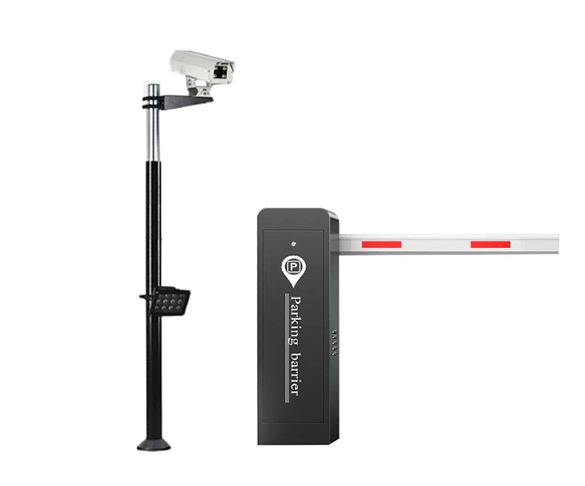
Loại bỏ các điểm nghẽn tại cổng
Bằng cách bỏ qua vé giấy hoặc việc dừng lại ở quầy, bạn rút ngắn thời gian giao dịch hơn 50%. Sharp ANPR hoạt động như một hướng dẫn viên kỹ thuật số. Nó cho phép khách hàng thường xuyên đi qua bằng phương thức thanh toán "không cảm ứng" trông sang trọng và đơn giản.
Thông số kỹ thuật 2: Độ bền phần cứng mạnh mẽ cho môi trường thương mại hoạt động 24/7.
Các trung tâm mua sắm hoạt động suốt ngày đêm, và các rào chắn cũng vậy. Nếu một thấu kính bị vỡ vào chiều thứ Sáu đông đúc, công việc của bạn sẽ bị ảnh hưởng rất nhiều. Các bộ phận cần phải đủ chắc chắn để chịu được nhiệt độ cao, độ ẩm và sự rung lắc liên tục từ các lối đi giao thông.
Độ tin cậy vận hành trong mọi điều kiện thời tiết
Các thiết bị đặt ở khu vực ngoài trời phải chịu đựng thời tiết khắc nghiệt. Từ nắng nóng mùa hè đến những cơn mưa lạnh mùa đông, các bộ phận bên trong cần được bịt kín và bảo vệ tốt. Phương pháp của TigerWong giúp điều chỉnh để duy trì độ chính xác khi điều kiện thời tiết xấu đi, điều này rất có lợi cho các khu vực tiếp xúc trực tiếp với thời tiết.
Kiến trúc hệ thống hạng nặng TGW-LDV4
Đối với các thiết kế đa đường dẫn phức tạp hoặc các điểm có ánh sáng không đều, Hệ thống đỗ xe ANPR/ALPR – TGW-LDV4 Đây là sự lựa chọn hàng đầu của các chuyên gia. Nó có khung chắc chắn hơn, phù hợp với cường độ hoạt động cao tại các trung tâm thương mại địa phương. Vì độ bền cao, bạn sẽ ít gặp phải các sự cố hỏng hóc.
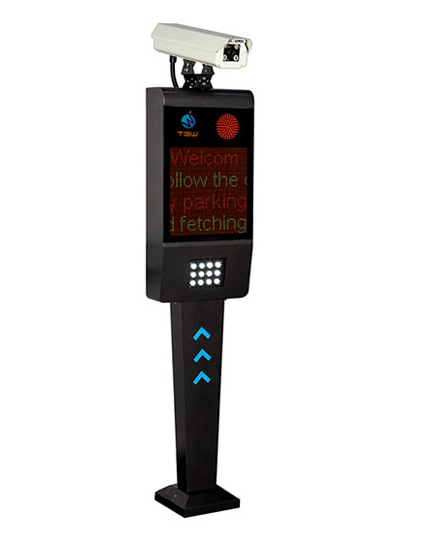
Giảm chi phí bảo trì dài hạn
Các bộ phận cơ bản cuối cùng sẽ tốn kém hơn về lâu dài. Bằng cách lựa chọn các bộ phận từ vật liệu bền chắc như thép không gỉ SUS304—thường được sử dụng trong khung chắn—bạn sẽ giảm thiểu nhu cầu sửa chữa. Chi phí ban đầu cho các cấu kiện chắc chắn sẽ tránh được các chuyến thăm kỹ thuật thường xuyên.
Phần mềm quản lý Spec 3 có khả năng mở rộng với phân tích thời gian thực
Nếu không theo dõi được, bạn không thể kiểm soát tốt. Một hệ thống quản lý bãi đậu xe hiệu quả cần có phần mềm quản lý phía sau hiển thị rõ ràng thông tin về lượt đến, thời gian lưu trú và thời điểm bãi đậu xe đạt công suất tối đa.
Giám sát dữ liệu đỗ xe dựa trên nền tảng đám mây
Việc kết nối với điện toán đám mây cho phép bạn xem tình trạng lô hàng từ thiết bị hoặc bàn làm việc chính. Kiểm tra trực tiếp giúp phát hiện sớm các hành động bất thường hoặc lỗi, trước khi chúng trở nên nghiêm trọng. Nó cũng đơn giản hóa việc đối chiếu thanh toán cho nhân viên tài chính.
Dịch vụ OEM và ODM tùy chỉnh linh hoạt
Mỗi trung tâm có những nhu cầu riêng biệt. Có thể bạn cần một màu sắc nhất định cho vỏ hộp để phù hợp với thương hiệu hoặc một loại liên kết đặc biệt cho một ngân hàng khu vực. TigerWong cung cấp các sản phẩm này. Tùy chỉnh linh hoạt và hỗ trợ OEM/ODMDo đó, cách thiết lập sẽ phù hợp với kế hoạch của bạn chứ không phải ngược lại.
Tích hợp các phương thức thanh toán toàn cầu
Ngày nay, người mua muốn sử dụng bất cứ phương thức thanh toán nào họ có sẵn, dù là thẻ, thanh toán qua điện thoại hay mã QR. Một hệ thống hỗ trợ nhiều phương thức thanh toán khác nhau đảm bảo không bị mất giao dịch do giới hạn của thiết bị.
Giải pháp chiến lược và so sánh sản phẩm dành cho các nhà điều hành trung tâm thương mại
Việc lựa chọn giữa các mẫu thường phụ thuộc vào quy trình làm việc cụ thể của bạn. Sự lựa chọn không nhất thiết phải là sản phẩm đắt nhất, mà là sản phẩm phù hợp nhất với quy trình của bạn.
TGW-LIV0 dành cho các cổng tốc độ cao tiêu chuẩn
LIV0 phù hợp với các phương pháp "nhanh" chính. Nó tập trung vào tốc độ và độ chính xác của công việc. Đối với việc vào mạch trực tiếp với ánh sáng đều, lựa chọn này có thể tiết kiệm chi phí trong khi vẫn giữ được độ ổn định.
TGW-LDV4 dành cho môi trường đa làn đường phức tạp
LDV4 thể hiện xuất sắc trong những điều kiện khó khăn. Nếu trung tâm của bạn có những đường đi ngoằn ngoèo hoặc cần lấy biển số ở những khúc cua gấp, các cảm biến nhạy bén của mẫu máy này sẽ mang lại sự tin cậy cao hơn. Đây là lựa chọn hàng đầu cho những môi trường làm việc khắc nghiệt.
Mạng lưới hỗ trợ sau bán hàng chuyên nghiệp
Quá trình thiết lập chỉ là bước khởi đầu. Bạn cần biết rằng sẽ có sự hỗ trợ nếu gặp sự cố. TigerWong sẽ mang đến điều đó. Hỗ trợ kỹ thuật trực tuyến 24/7Đối với các dự án lớn, họ có thể cử chuyên gia đến tận nơi để hỗ trợ lắp đặt.
Tối đa hóa lợi tức đầu tư thông qua các cải tiến trong hệ thống đỗ xe tự động
Tóm lại, việc bố trí bãi đậu xe hợp lý phải giúp tăng lợi nhuận chứ không phải lãng phí tiền bạc. Hoạt động trơn tru sẽ trực tiếp dẫn đến lợi nhuận tốt hơn.
Giảm chi phí nhân công tại chỗ
Hệ thống tự động ra vào giúp giảm thiểu nhu cầu nhân viên trực tại các quầy kiểm soát giữa các ca làm việc. Những nhân viên đó có thể chuyển sang các nhiệm vụ quan trọng hơn như hỗ trợ khách hàng hoặc giám sát khu vực. Đồng thời, công nghệ thông minh sẽ quản lý việc điều chỉnh các rào chắn một cách cơ bản.
Nâng cao trải nghiệm và khả năng giữ chân khách hàng
Khách tham quan thường ghi nhớ quy trình đỗ xe. Khi việc ra vào dễ dàng, họ có xu hướng quay lại nhiều hơn. Một hệ thống đỗ xe sạch sẽ, thông minh sẽ nâng cao hình ảnh tổng thể của trung tâm thương mại.
Tiêu chuẩn phát triển đô thị bền vững
Việc giảm thời gian xe cộ dừng chờ trong các hàng đợi sẽ làm giảm lượng khí thải gây ô nhiễm tại địa phương. Đây là một bước nhỏ nhưng quan trọng hướng tới các khu thương mại xanh hơn. Nó cũng đáp ứng các mục tiêu quy hoạch đô thị hiện tại.
Câu hỏi thường gặp về sự thành công của hệ thống đỗ xe tự động
Câu hỏi 1: Làm thế nào để chọn camera ANPR phù hợp cho trung tâm thương mại?
A: Bạn nên xem xét tỷ lệ nhận diện, các quốc gia được hỗ trợ và tốc độ màn trập. Đối với các trung tâm thương mại đông đúc, camera tích hợp công nghệ học sâu như TGW-LIV0 thường là tiêu chuẩn.
Câu 2: Tuổi thọ trung bình của phần cứng hệ thống đỗ xe thông minh là bao nhiêu?
A: Với việc bảo trì đúng cách và cấu tạo chất lượng cao (như sử dụng thép SUS304), bạn có thể kỳ vọng thời gian sử dụng kéo dài một thập kỷ hoặc hơn. Việc cập nhật phần mềm thường xuyên từ nhà sản xuất cũng giúp kéo dài tuổi thọ hoạt động.
Câu 3: Các bãi đỗ xe hiện có có thể được trang bị thêm hệ thống TGW không?
A: Có. Hầu hết các hệ thống hiện đại được thiết kế để tương thích với các rào chắn hiện có hoặc có thể thay thế các máy bán vé cũ với công tác xây dựng tối thiểu. TigerWong cung cấp tài liệu API và SDK để hỗ trợ việc tích hợp này.
Câu 4: Tại sao việc tùy chỉnh phần mềm lại cần thiết cho thị trường toàn cầu?
A: Mỗi vùng miền có định dạng biển số xe và thói quen thanh toán khác nhau. Cách tiếp cận "một kích cỡ phù hợp cho tất cả" thường dẫn đến lỗi nhận dạng hoặc lỗi thanh toán. Việc tùy chỉnh đảm bảo hệ thống hiểu ngôn ngữ địa phương, cả về nghĩa đen lẫn thuật ngữ kỹ thuật.
Câu 5: Hệ thống có còn hoạt động trong điều kiện mưa lớn hoặc sương mù dày đặc không?
A: Các thuật toán ANPR chất lượng cao được huấn luyện cho nhiều điều kiện thời tiết khác nhau. Mặc dù thời tiết khắc nghiệt có thể làm giảm nhẹ tỷ lệ nhận dạng, nhưng phần cứng được thiết kế để vẫn hoạt động bình thường, và các tính năng hiệu chỉnh thủ công luôn có sẵn để dự phòng.