
The basic difference is what you are letting through. A pedestrian gate admits somebody on foot, whereas a vehicle gate regulates traffic at a road entrance. Your site may need both. For example, being allowed to park a car doesn’t necessarily give its occupants permission to walk into an office.
A gate photograph or an opening width won’t tell us which of those permissions your project needs. That has to come from the brief. Some entrances check only a vehicle permit; others require the occupants to identify themselves at a second checkpoint.
Tại TigerWong, we offer turnstiles alongside parking entrance equipment. For a mixed entrance, a sketch of the walking and driving routes is a useful starting point for an enquiry. It shows us what each piece of equipment is being asked to control.
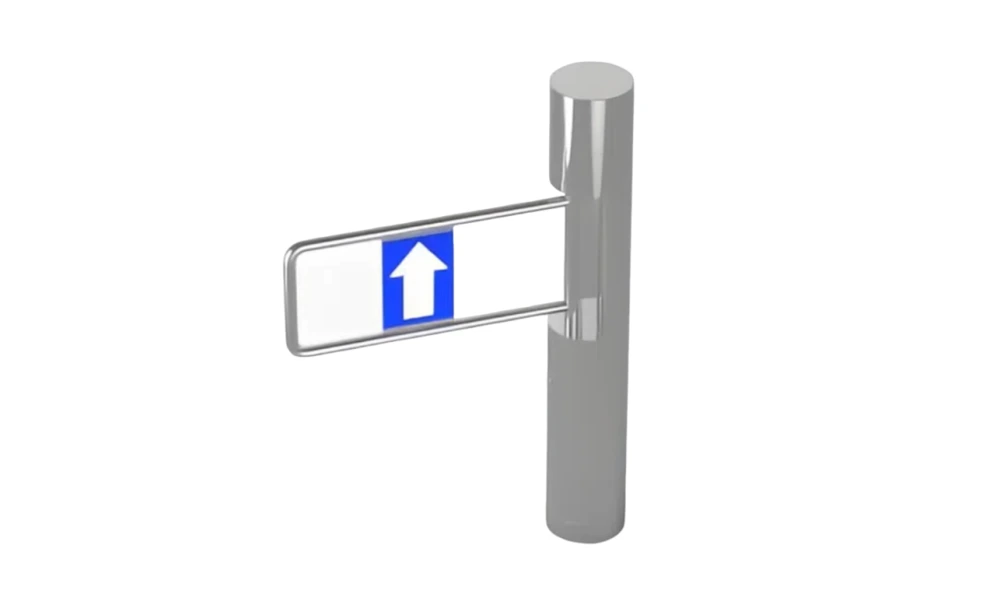
What crosses the control point?
Take a possible office arrangement. An employee drives a registered car into the parking area, then walks to reception, where a staff badge is required. The car’s registration cleared one check. The badge addresses another, this time about the person now standing at the building entrance.
Now add a passenger. The car still has the same registration, but that tells reception nothing about the passenger’s identity. Whether passengers need their own check is a decision for the site owner. It cannot be answered by selecting a larger barrier or a different plate reader.
A loading yard makes the distinction more obvious. A delivery may be expected in the yard while the driver is restricted from entering an office. Equally, an employee allowed into that office may have no authorization to bring a vehicle into the loading area.
These examples are possible site policies, not descriptions of a default product setting. They help explain the brief to an integrator. The integrator still has to confirm how the chosen credential equipment and controller will implement the owner’s policy.
Your intended users help narrow our pedestrian turnstile range. Will everyone arrive with a credential ready, or will unfamiliar visitors need help before they can proceed? Tell us how reception or security will handle that arrival. It affects the passage discussion before a particular mechanism is selected.
How does the equipment change with the route?
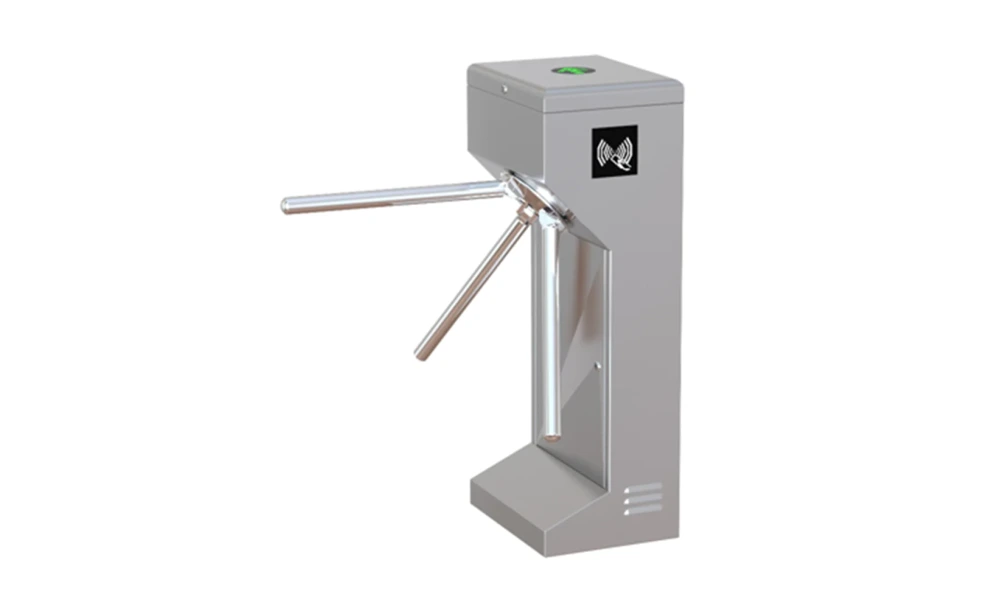
Tripod, swing, flap and full-height turnstiles have visibly different mechanisms. Choosing among them takes more information than a staff headcount. The enquiry also needs to describe what happens in the passage: how users approach the reader, what they carry and whether they need assistance.
For somebody carrying cases, the act of presenting a credential may require a pause and somewhere to put a case down. Assistance and accessibility add other requirements. Check how the approach works with the proposed gate, as well as how it connects to any accessible route provided by the site.
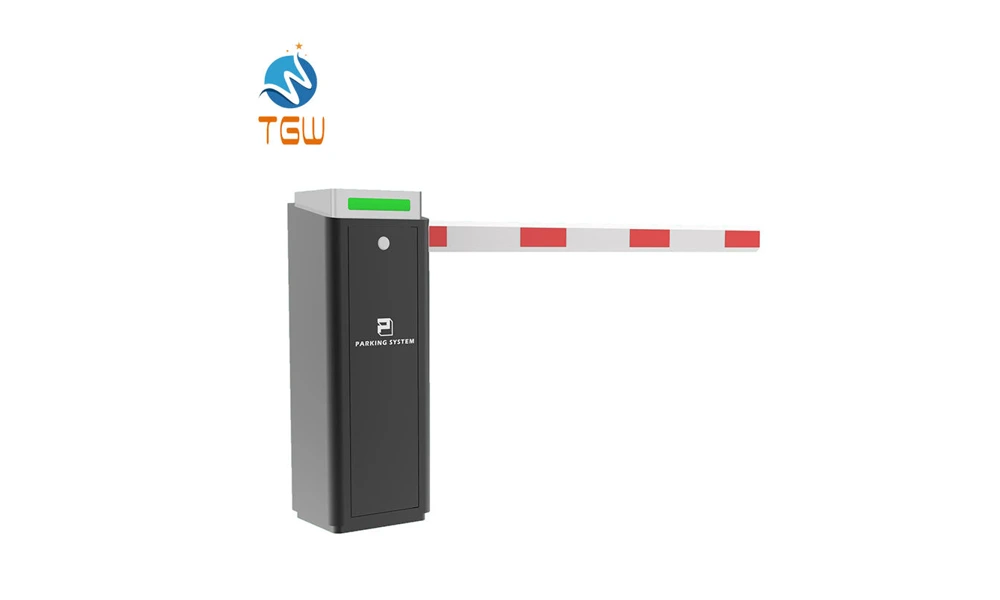
On the vehicle side, our vehicle barrier booms regulate parking lanes. The arm covers the intended lane while the vehicle approaches and stops at the control point. It doesn’t perform the same personal check as a turnstile beside reception.
Vehicle gate is also a broader term than parking boom. Other designs may be used to close a perimeter opening. This article focuses on parking barriers; no crash-rated protection should be inferred from a boom barrier’s appearance or from the general word gate.
| Planning question | Pedestrian entrance | Vehicle entrance |
| Whose permission is checked? | The person approaching the passage | The vehicle approaching the lane |
| What moves through? | A person, with any expected belongings or assistance | A vehicle within its approach and turning space |
| Which hardware might be considered? | Tripod, swing, flap or full-height turnstile | Parking boom and associated lane equipment |
| What record is needed? | Credential approval, and passage confirmation if specified | Vehicle approval, and passage confirmation if specified |
Resolve the records row with the bidder. If passage confirmation matters to the project, where is it specified in the offer? A model’s available feedback and the application receiving it need to support that requirement. The comparison table cannot establish product compatibility.
Why can’t the same opening signal answer both questions?
Suppose somebody gets permission and immediately turns back for a forgotten bag. A report of accepted credentials may include that attempt. A report intended to show completed passages needs different evidence. This distinction matters to whoever uses the record afterward, even though the gate responded correctly to the credential.
An example record makes the discussion concrete. Which event created it? An authorization log may answer the owner’s question perfectly well. Where the requirement is actual passage, however, the offer needs to explain the feedback used to establish that passage and how it reaches the application.
A plate read leaves a similar gap at the road entrance. You have the registration, but the vehicle might still be sitting there. The agreed detection arrangement has to supply whatever presence or clearance information the design needs. Registration text cannot show that the car has moved out of the area.
Split supply makes this easy to overlook. One supplier shows a working camera, another lifts the boom, and both demonstrations look satisfactory. Who has shown that the information passes correctly between them? Give that connection an owner in the scope, with a check of its own.
The safety discussion also changes with the route. A turnstile user is beside the moving mechanism. At a road entrance, there is the vehicle itself and the possibility of somebody walking into its path. The site team needs to assess the proposed layout and safety devices with those movements in view.
Likewise, record the approved response to faults or emergency release for each device. Sharing a platform does not settle that response. Keep the site’s agreed instructions available when discussing the equipment configuration with its supplier.
Where should people go when they arrive beside a vehicle?
Follow a visitor on foot through the proposed drawing. They arrive, look for help and perhaps wait for someone to answer. If the only intercom is by the vehicle reader, the plan may lead them straight into the vehicle approach. A pedestrian gate elsewhere doesn’t fix that journey by itself.
The parked driver has a walking journey as well. Follow it from the parking space to the building, including what happens after a refused entry. The driving route may look perfectly workable while this later part sends the same person across incoming traffic with nowhere obvious to wait.
A refused vehicle needs attention too. Where does it stop while the driver seeks instructions? A plan that only shows successful entry gives little guidance for this situation. Waiting or reversing vehicles can affect people using an otherwise sensible walkway.
của chúng tôi các tùy chọn cửa quay xoay are one possibility for this part of the plan. Request the usable passage dimensions for the particular model being proposed. Compare those dimensions and its approach space with your accessibility requirements; the apparent width in a brochure picture is not enough.
A bicycle needs an explicit route decision. Riders might use another entrance, or be asked to dismount and push through this one. Record the choice made by the owner, together with any bulky items regularly brought through. Otherwise the supplier is assessing a passage without knowing what has to fit through it.
What should a combined entrance brief contain?
Give the brief a walking-route description and a driving-route description. Each should name the permitted users, proposed credential and gate, along with whoever decides permission. If another party supplies the gate connection, name them too. A shared management platform doesn’t remove those separate responsibilities.
Leave room for refused entries. The security team may need an appointment contact for a visitor with no credential, whereas an unfamiliar vehicle may need its delivery authorization checked. These are different enquiries. Neither a plate image nor a staff badge answers every question about both arrivals.
Before ordering, put the arrival instructions beside the drawing and try to follow them. A help point mentioned in the text should have an identifiable location, with space for anyone waiting. Any disagreement belongs in the design discussion while locations can still change; it should not be handed to operators to solve later.
At acceptance, return to the functions in that brief. Request the agreed evidence for personal passage and vehicle detection separately, assigning unresolved items to the relevant supplier. Watching both gates open is only one part of checking the entrance you specified.
Send the marked routes and expected users to us for an entrance layout review. Include the credentials and assistance points you intend to use. We can then discuss TigerWong gate options against the movements shown on your plan.