
Parking messes rarely happen for just one single reason. You might see a huge lot with lots of empty spots. Yet, drivers are still stuck waiting in crazy long lines. They end up driving in circles forever. Paying at the gate takes way too much time. Plus, folks keep parking in the wrong places. Drivers honestly just want clear, simple signs. At the same time, lot managers have to track every single penny that comes in. City bosses also want real facts about how the space actually gets used.
The very best parking solutions mix a smart lot layout with useful sensors. You add parking guidance, gates, and digital payment tools. Then, you wrap it all up with strong management software. Finding the perfect setup depends heavily on your building type, local laws, daily traffic, and your total budget.
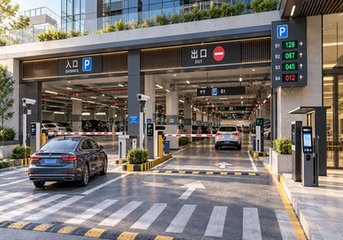
What Are the Main Parking Problems?
You have to figure out the exact problem before you buy any new stuff. Just think about it for a second. A busy public street does not work the same way as a quiet hospital. A mall and an airport are nothing alike.
Drivers waste so much time just trying to find an empty spot they can’t see. Handing out paper tickets by hand creates massive lines at the gates. This gets super bad during the morning rush hour. Paying with cash makes leaving the lot even slower. Lot owners face major headaches when cars park for way too long. It is also super annoying when one car takes up two spaces at once.
Disconnected info is another giant mess. Gates, payment machines, and space sensors usually keep totally separate records. Without one single shared platform, your staff simply cannot check payments, lot rules, or special cases easily.
What Makes a Parking Solution Effective?
A truly great solution matches exactly how cars actually drive around the area. Look closely at the lane layout. Check out the busiest times of day and normal vehicle speed. Lighting, weather, and the kinds of drivers parking there matter a lot, too.
Start With the Site and Traffic Pattern
To start, draw a map showing all the gates, ramps, and walking paths. Mark the delivery zones and handicap spots clearly. Next, count the empty spaces on every single floor. Try to spot the places where cars always seem to get stuck. A slow, quiet lot might do just fine with simple ANPR cameras and basic barriers. But a super busy street? That needs a completely different approach.
Connect Each Event
You must tie everything together tightly. Link the entry, occupancy, payment, exit, and daily reports. This gives your workers one clear record for every single car visit. Because of this simple trick, solving problems becomes so much easier. Say a plate photo looks blurry. A worker can quickly look up the payment and open the barrier manually.
Which Technologies Can Solve Parking Problems?
Different gadgets fix different sorts of problems. Guidance points out the open spaces. ANPR identifies the cars. Payment software figures out the costs. Finally, a main platform enforces all the lot rules.
Parking Guidance and Space Detection
Ultrasonic detectors, video cameras, and other neat sensors check to see if a spot is full. Simple red or green indicator lights tell drivers exactly where the free spots are. Guide screens point folks the right way near gates or elevators.
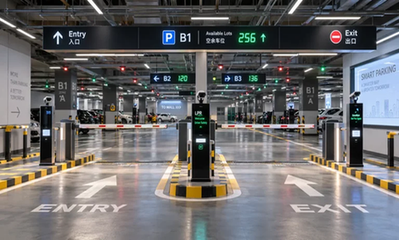
Multi-level garages group their spaces by floors or specific zones. Tiny controllers send the sensor data right to the signs or the main software. This helps drivers find spaces fast. It also gives managers a clear picture of exact lot occupancy. Always plan your sensor placement carefully. Check the network coverage and set up good backup rules.
ANPR and Ticketless Access
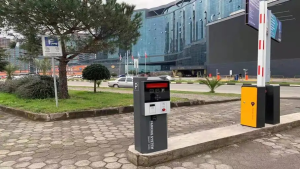
Automatic Number Plate Recognition (ANPR) spots a car’s tag right at the entry and exit. The computer then links that plate to a pass or a user account. If the rules allow it, the software tells the barrier controller to open the gate.
ANPR ditches those messy paper tickets. It saves visit photos for later review, too. This tool is awesome for monthly parkers, guests, and paid lots. Still, you must test local plate formats first. Check the camera position, lighting, vehicle speed, and privacy rules. A solid parking management system connects these cameras, gates, and payment machines together nicely.
Digital Payment and Parking Management Software
Digital payment covers phone apps, card terminals, self-serve kiosks, and pay-by-plate setups. The main software handles the price rates, validations, discounts, and refunds.
Really good management software controls user roles and transaction records. It handles alarms and daily reports, too. By using an API or standard interfaces, the system shares facts easily. It talks smoothly to access control, accounting, or city platforms. Checking out a dedicated parking management software page is a smart way to compare these choices.
How Should Cities and Facilities Combine These Solutions?
The perfect mix mostly depends on the lot size and the daily operating rules.
Small Parking Facilities
A tiny lot really only needs ANPR or QR-based entry. Add a basic barrier, digital payment, and simple reporting. Keep the devices super simple. Make sure you always have a manual backup ready just in case the network drops.
Commercial Buildings, Hospitals, and Campuses
These big places usually mix ANPR, barriers, and visitor permissions. They add monthly accounts and parking guidance. Hospitals need special rules for short stays, staff, emergency events, and accessible parking. School campuses need rules for teachers, students, and guests. The software just has to handle all these different user groups smoothly.
Municipal and Large Multi-Level Parking
Huge parking setups work best with centralized monitoring. Cities like to combine occupancy info, digital payment, and permits. They add enforcement and public guidance, too. A giant multi-level site often uses floor and zone displays. It uses vehicle classification and special rules for electric-vehicle or accessible spaces.
How Can a Parking Solution Reduce Congestion?
Traffic jams grow crazy fast when drivers drive in circles hunting for spots. They also get worse when people wait to pay by hand. Guidance screens fix this by showing available spaces early on. Sensors update the occupancy super fast. Reservations help spread out the daily demand.
Down at the gates, ANPR cuts down on paper ticket handling. The payment data links directly to the vehicle. This saves everyone a ton of time. Enforcement data easily spots long stays or blocked loading areas. You can measure your success easily. Just check the queue length, transaction time, and space utilization. Also look at exception rates before and after you make changes.
What Should You Check Before Buying a Parking Solution?
Grab this simple project checklist before you start comparing price quotes:
● Confirm the gear supports your local plate formats, languages, currency, and favorite payment methods.
● Check the camera range and sensor coverage. Look at vehicle speed, lighting, weather protection, and mounting conditions.
● Ask exactly how the system acts during a network or power interruption.
● Confirm important interfaces like TCP/IP, RS485, digital input/output, API, or SDK if integration is required.
● Define your data storage, user permissions, retention, correction, and deletion rules clearly.
● Look into software updates, spare parts, cleaning, daily calibration, and remote support.
● Check to see whether the system can expand later to more lanes, floors, facilities, or user groups.
● Always request a real site test using representative vehicles and local plates.
The final quote you get should separate the costs. It needs to list equipment, installation, configuration, and integration. It should also show training, maintenance, and future customization. Doing this makes the total operating cost much easier to compare.
How Can Parking Operators Measure Results?
Good KPIs connect all that cool tech straight to driver happiness. Track the average entry and exit time. Watch the queue length, average search time, space turnover, and occupancy by zone. Keep a close eye on the payment failure rate, manual correction rate, and overall system downtime. You should check revenue reconciliation, permit misuse, and enforcement response time. Don’t forget about the total support tickets.
Review these numbers by the hour, day, floor, and user group. Detailed reporting really helps managers quickly adjust signs, price rates, permissions, staffing, or equipment placement.
How TigerWong Supports Parking Solutions
TigerWong builds really strong parking management systems. They offer LPR and ANPR equipment, parking guidance, payment devices, strong barriers, and related software. Its documented project services include helpful third-party data connections and software customization. They also do factory testing, installation guidance, remote assistance, and arranged on-site support.
The company reports successful deployments for more than 155 countries and regions and more than 10,000 customers. Its software materials describe license-plate recognition support for more than 130 countries and regions. Manual correction is ready for any uncertain reads.
A proper project inquiry should include the target country, a site drawing, and the lane count. Add expected vehicle speed, lighting, payment rules, sample plates, and required interfaces. Buyers comparing ANPR parking systems can use these exact details. It helps them check whether a proposed configuration truly fits their site.
Câu hỏi thường gặp
Q1: What Is the Best Solution to Parking Problems?
A: Start by finding the specific bottleneck. Guidance and sensors fix the annoying space search. ANPR and barriers handle your lot access. Digital payment solves those slow transactions, while management software connects the whole workflow. A proper site survey determines the absolute best mix for you.
Q2: Can Smart Parking Reduce Traffic Congestion?
A: Yes, it really can. It shows available spaces and speeds up entry and payments. Your final results depend heavily on camera coverage, data quality, and enforcement. It also matters how drivers receive the info.
Q3: Is ANPR Suitable for Every Parking Facility?
A: It perfectly fits sites with controlled vehicle lanes and clear plate views. Sites with obstructed views or strict privacy limits might actually need a combined solution instead.
Q4: Do Parking Guidance Systems Work in Multi-Level Car Parks?
A: Yes. Sensors, zone controllers, indicator lights, and guide screens report availability by the floor and area. Just ensure you have good detector coverage, strong network design, clear signage visibility, and easy maintenance access.
Q5: What Should Be Included in a Parking Management Solution?
A: The overall scope may include cameras or sensors, strong barriers, payment, guidance, software, and networking. It should also have reporting, user permissions, integration, installation, testing, training, maintenance, and a clear manual exceptions process. Make sure to follow the site’s exact traffic and operating rules.