
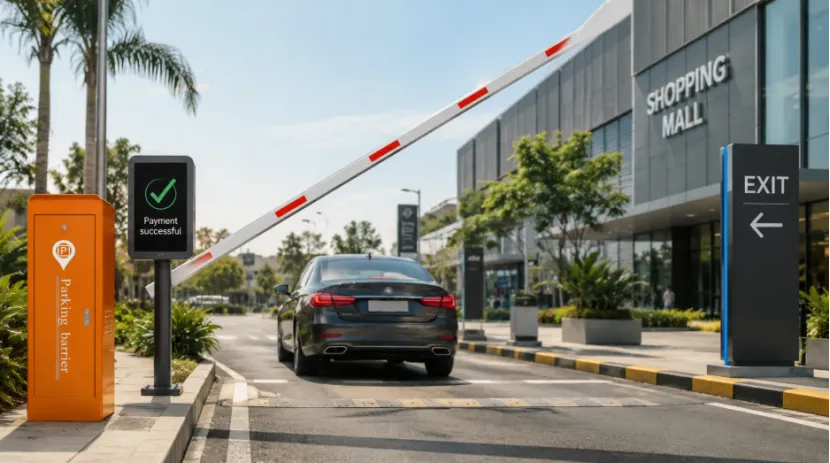
Früher waren Papiertickets auf Parkplätzen üblich. Man zog eines bei der Einfahrt, steckte es in den Getränkehalter, bezahlte vor der Ausfahrt und hoffte dann, dass es bei der Ausfahrt noch funktionierte. Dieses Verfahren ist zwar vertraut, aber an stark frequentierten Orten nicht immer praktikabel. Verlorene Tickets, langsame Bezahlung, manuelle Kontrollen und lange Warteschlangen können einen einfachen Parkbesuch unnötig kompliziert machen.
Kennzeichenerkennung Und Schranken verändern diesen Ablauf. Bei ticketlosen Parksystemen dient das Kennzeichen als digitale Fahrzeugidentifikationsnummer. Eine ANPR- oder LPR-Kamera erfasst das Kennzeichen, die Parkraummanagement-Software erstellt einen Ein- und Ausfahrtsnachweis, und die Schranke öffnet sich automatisch, sobald das Fahrzeug passieren darf. Die Idee ist einfach: weniger Strafzettel, weniger Streitigkeiten und weniger Wartezeit.
Warum verabschieden sich Parkplätze von Papiertickets?
Ein Parkscheinsystem kann auf kleinen Parkplätzen noch funktionieren, stößt aber bei hohem Verkehrsaufkommen an seine Grenzen. Auf Parkplätzen von Einkaufszentren, Krankenhäusern und öffentlichen Parkhäusern kann es schnell zu Engpässen an Ein- und Ausfahrten kommen. Ein Fahrer, der seinen Parkschein sucht, kann zehn Autos hinter ihm aufhalten. Keine große Sache, aber jeder in der Warteschlange spürt es.
Papiertickets verursachen kleine Verzögerungen, die sich summieren.
Am Eingang müssen Autofahrer möglicherweise anhalten, einen Knopf drücken, ein Ticket ziehen und warten, bis sich die Schranken öffnen. Am Ausgang müssen sie unter Umständen scannen, bezahlen oder um Hilfe bitten. Diese Schritte führen während der Stoßzeiten zu Staus sowohl am Eingang als auch am Ausgang.
Verlorene Tickets verursachen Serviceprobleme
Verlorene Parktickets führen zu Streitigkeiten über Parkgebühren. Das Personal muss unter Umständen Kamerabilder prüfen oder die Parkdauer schätzen. Das bedeutet mehr manuelle Kontrollen, langsameren Service und höhere Betriebskosten. Ticketloses Parken vermeidet dies, indem jeder Aufenthalt mit dem Kfz-Kennzeichen verknüpft wird.
Wie funktioniert die Kennzeichenerkennung bei der Parkplatzzufahrt?
A Parksystem mit Kennzeichenerkennung Es handelt sich nicht nur um eine Kamera. Sie arbeitet mit Software, einer Datenbank, einem Parkgebührensystem und automatisierten Schranken zusammen. Jede Komponente hat ihre Aufgabe, und wenn eine Komponente langsam ist, verlangsamt sich die gesamte Fahrspur.
Die Kamera liest das Kennzeichen
Sobald ein Fahrzeug die Einfahrt erreicht, erfasst die ANPR-Kamera das Kennzeichen. Einige Systeme nutzen die Fahrzeugfronterkennung, andere eine Induktionsschleife. Die Software liest das Bild aus und speichert das Erkennungsergebnis in der Datenbank. Laut TigerWongs Wissensdatenbank ist die Kennzeichenerkennung (LPR) ein System, das Bildverarbeitung, Mustererkennung und Computer Vision verwendet, um die eindeutige Kennzeichennummer jedes Fahrzeugs zu erfassen.
Das System erfasst Ein- und Austrittszeiten.
Nach der Fahrzeugerkennung speichert das System das aufgenommene Bild, das Kennzeichen, die Fahrspurnummer und die Durchfahrtszeit. Dies ist nützlich für die Berechnung der Parkgebühren, die Überprüfung der Fahrzeughistorie und die Erstellung von Berichten. Das System kann außerdem einen Bericht über ein- und ausfahrende Fahrzeuge ausgeben, sodass Sie Verkehr und Gebühren überprüfen können, ohne in Papierakten suchen zu müssen.
Wie ermöglichen Kennzeichenerkennung und Schranken den ticketlosen Zugang zum Parken?
Der Zugang zum Parken ohne Ticket wird praktisch, wenn LPR Parksystem Schranke und Fahrzeug funktionieren als ein einziger Prozess. Die Kamera identifiziert das Fahrzeug, die Software prüft die Regeln, und die Schranke gibt die Freigabe.
Der Einlass wird ohne Ticketkontrolle schneller.
Bei registrierten Fahrzeugen, Dauerparkern und VIP-Fahrzeugen erkennt das System das Kennzeichen und ermöglicht eine schnelle Einfahrt. Es gibt kein Papierticket, keine Kartenübergabe und die Wartezeit für den Fahrer verkürzt sich. Auch für Kurzzeitparker erstellt das System anhand des Kennzeichens einen Parkeintrag.
Der Ausstieg hängt vom Zahlungsstatus ab
An der Ausfahrt erfasst die Kennzeichenerkennungskamera das gleiche Kennzeichen erneut. Das System prüft den Zahlungsstatus. Ist die Gebühr bezahlt, öffnet sich die Schranke automatisch. Fehlt die Zahlung, bleibt die Schranke geschlossen, und der Mitarbeiter kann den Fall bearbeiten. Dies trägt dazu bei, Parkgebührenhinterziehung zu reduzieren, ohne ehrliche Fahrer zu behindern.
Welche Probleme kann ticketloses Parken lösen?
Die kennzeichnungsbasierte Parkgebührenabrechnung ist wertvoll, weil sie alltägliche Parkprobleme löst, nicht weil sie hochmodern klingt. Der größte Vorteil besteht darin, dass Ihr Team weniger Zeit mit Routinekontrollen und mehr Zeit mit echten Ausnahmefällen verbringen kann.
Es reduziert die manuelle Mauterhebung.
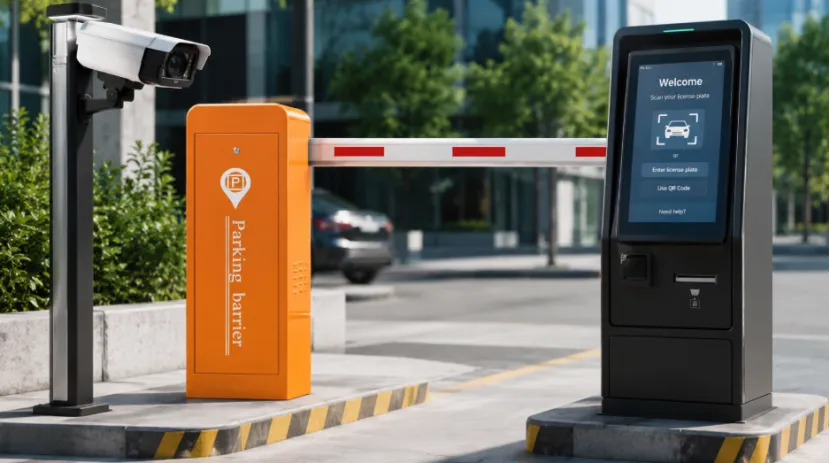
An einem Selbstbedienungs-Zahlungsautomaten können Autofahrer ihr Kennzeichen eingeben, die Parkdauer prüfen und bezahlen, bevor sie die Ausfahrt erreichen. Dies reduziert Wartezeiten bei der Ausfahrt und sorgt für eine freiere Fahrspur während der Stoßzeiten.
Es liefert den Betreibern bessere Daten
Parkraummanagement-Software kann Daten zu Parkgebühren, Betreibergebühren und Abfrageergebnissen anzeigen. Das ist wichtig für die Verwaltung von Parkplätzen auf Gewerbeflächen oder an Bürogebäuden, da Sie wissen müssen, woher die Einnahmen stammen und wann die Auslastung am höchsten ist.
Welche Hardware wird für ein LPR-Schrankensystem benötigt?
Ein gutes ANPR-Parksystem benötigt mehr als nur eine Kamera an einem Mast. Es erfordert eine zuverlässige Erkennung, eine übersichtliche Fahrspurführung, eine sichere Schrankenbewegung und Bezahlmöglichkeiten, die Fahrer selbstständig nutzen können.
ANPR-Kamera und Zahlungsautomat
Die ANPR-Kamera dient der Ein- und Ausfahrtserkennung. Der Parkautomat ermöglicht ticketloses Bezahlen, oft per Kennzeichenerkennung. In der Praxis interessiert Autofahrer weniger der Name der Technologie als vielmehr die Bedienbarkeit des Bildschirms.
Schranke für Parkplätze
Die Schrankenanlage von TigerWong ermöglicht Öffnungs- und Schließzeiten von 1,2 bis 6 Sekunden, abhängig von der Schrankenarmlänge. Sie verfügt über einen bürstenlosen Gleichstrommotor, Schnittstellen für Induktionsschleifen, Infrarotsensoren, RS485-Kommunikation und ein Parksystem. Diese Details sind besonders wichtig bei regelmäßigem Verkehrsaufkommen und dem damit verbundenen Bedarf an stabiler Schrankenbewegung.
Wie wählt man die richtige LPR-Schrankenlösung aus?
Bevor Sie sich für eine LPR-Schrankenlösung entscheiden, sollten Sie den gesamten Prozess betrachten. Eine präzise Erkennung allein genügt nicht. Sie benötigen außerdem Zahlungsregeln, Berichtsausgabe, Schrankensteuerung, Sensorschutz und Unterstützung bei Standortänderungen.
Software- und Website-Support prüfen
TigerWong ist ein in Shenzhen ansässiger Anbieter von intelligenten Parksystemen und Zugangskontrollsystemen mit langjähriger Erfahrung in den Bereichen LPR-Parksysteme, ANPR-Parksysteme, Schrankenanlagen, Drehkreuze und Gesichtserkennung.
Seit 2001 konzentriert sich das Unternehmen auf Parkraummanagement und hat sein Angebot später von Parktickets auf RFID-Karten, Kennzeichenerkennung, Cloud-Parking und kontaktloses Bezahlen erweitert. Die Lösungen des Unternehmens werden in über 155 Ländern und mehr als 10.000 Projekten eingesetzt und bieten Ihnen somit eine solide Grundlage für die Entwicklung eines Parkraumzugangskontrollsystems für den realen Straßenverkehr.
Schlussfolgerung
Kennzeichenerkennung und Schrankenanlagen werden zur Zukunft des ticketlosen Parkens, da sie Probleme lösen, die sowohl Autofahrer als auch Betreiber stören: verlorene Tickets, lange Warteschlangen, manuelle Kontrollen, langsame Zahlungszeiten und Parkgebührenhinterziehung. Wenn ein ANPR-Parksystem mit … verbunden ist automatisierte SchrankenDurch ein Parkzahlungssystem und eine Parkraummanagement-Software wird der Betrieb und die Nutzung des Parkplatzes einfacher.
Für stark frequentierte Parkplätze leistet das richtige intelligente Parksystem mehr als nur das Öffnen der Schranke. Es erfasst Fahrzeuge, prüft Zahlungen, reduziert den Personalaufwand und liefert Ihnen präzisere Daten für Ihre täglichen Entscheidungen.
FAQ (häufig gestellte Fragen)
Frage 1: Was ist ticketloser Parkzugang?
A: Das ticketlose Parksystem nutzt Kennzeichenerkennung anstelle von Papiertickets. Es erfasst das Kennzeichen bei der Einfahrt und überprüft es bei der Ausfahrt.
Frage 2: Wie funktioniert ein LPR-Parksystem mit Schranken?
A: Das LPR-Parksystem liest das Kennzeichen, prüft den Fahrzeugdatensatz oder den Zahlungsstatus und sendet dann ein Signal, sodass sich die Schranke automatisch öffnet.
Frage 3: Kann ein ANPR-Parksystem den Verlust von Parktickets reduzieren?
A: Ja. Da das Kfz-Kennzeichen als Park-ID dient, benötigen Fahrer während ihres Aufenthalts kein Papierticket.
Frage 4: Was passiert, wenn ein Fahrer nicht zahlt?
A: Am Ausgang prüft das System den Zahlungsstatus. Ist die Zahlung nicht abgeschlossen, bleibt die Schranke geschlossen und der Mitarbeiter kann sich des Falls annehmen.
Frage 5: Ist ticketloses Parken für vorübergehende Besucher geeignet?
A: Ja. Temporäre Besucher können per Kennzeichenerkennung einfahren, über einen Parkautomaten oder eine andere unterstützte Methode bezahlen und nach Bestätigung der Zahlung durch das System wieder abfahren.