ะปะพะณะพ

ะ‘าฏั‚ััะณะดัั…าฏาฏะฝ

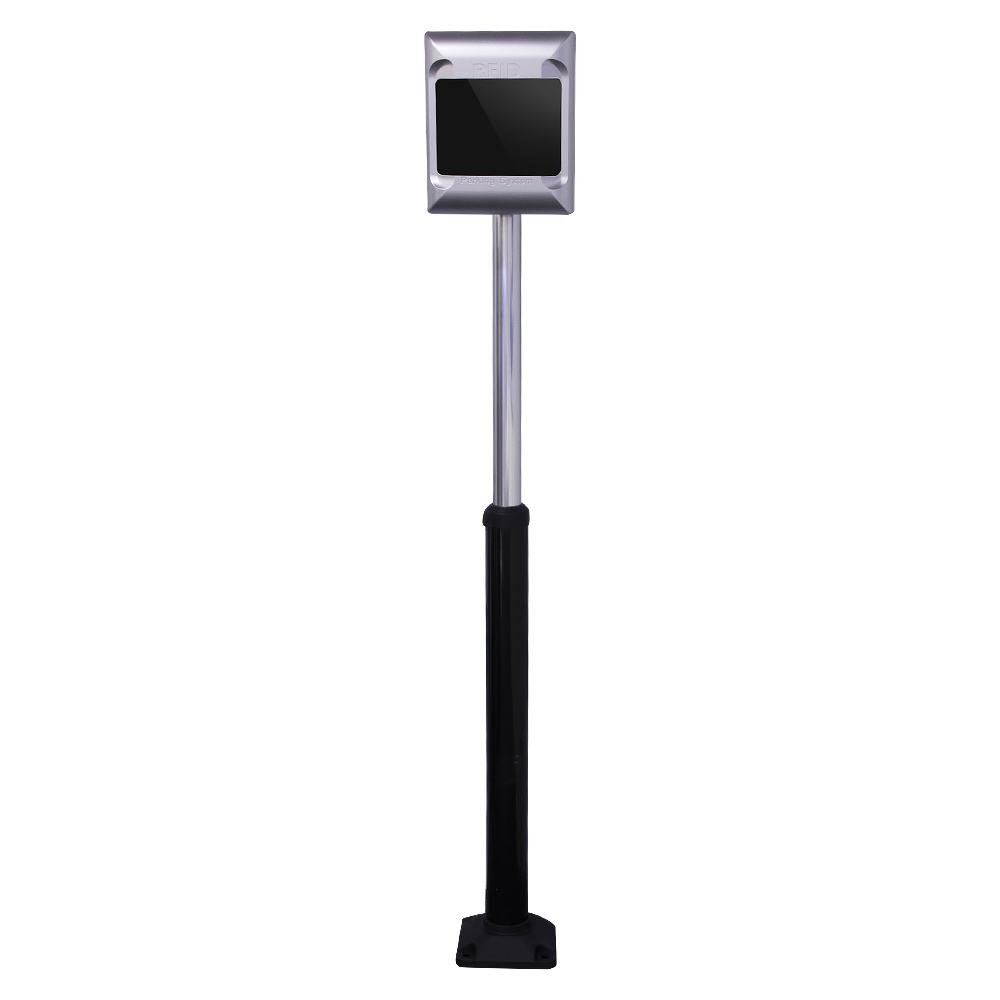
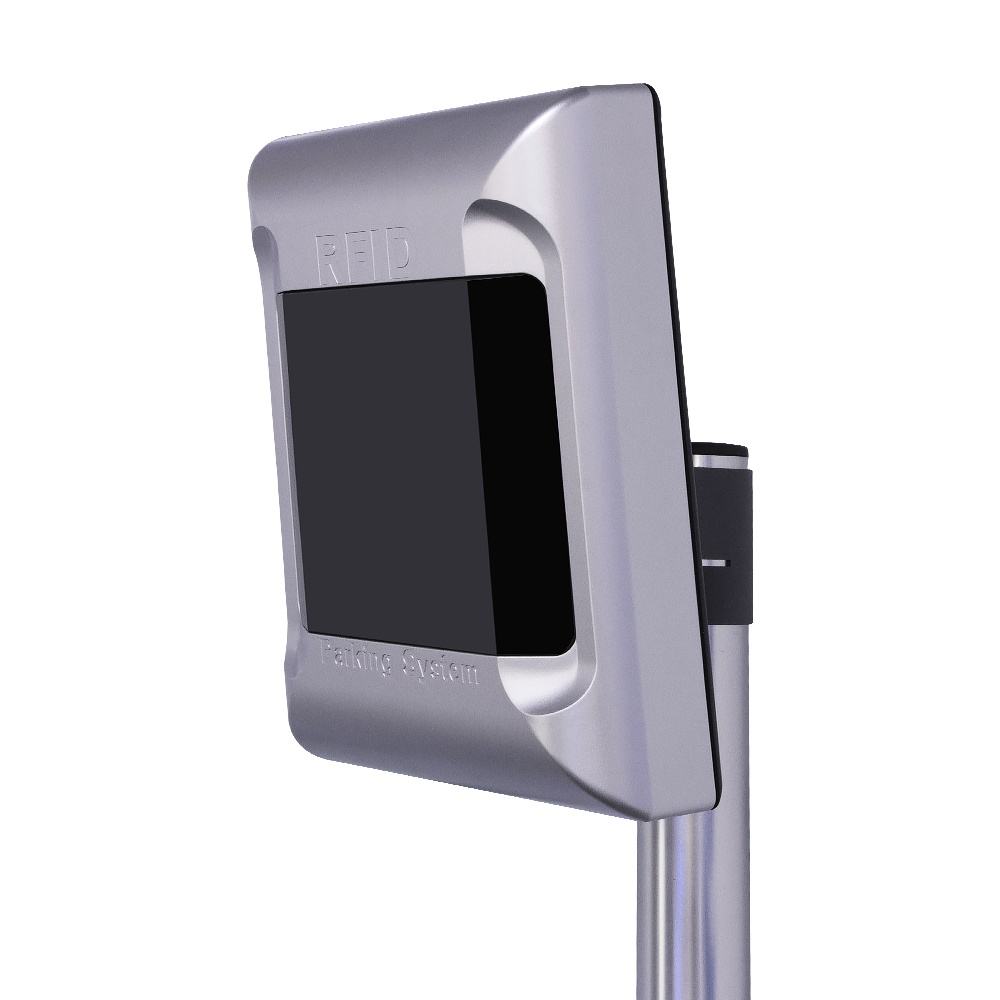
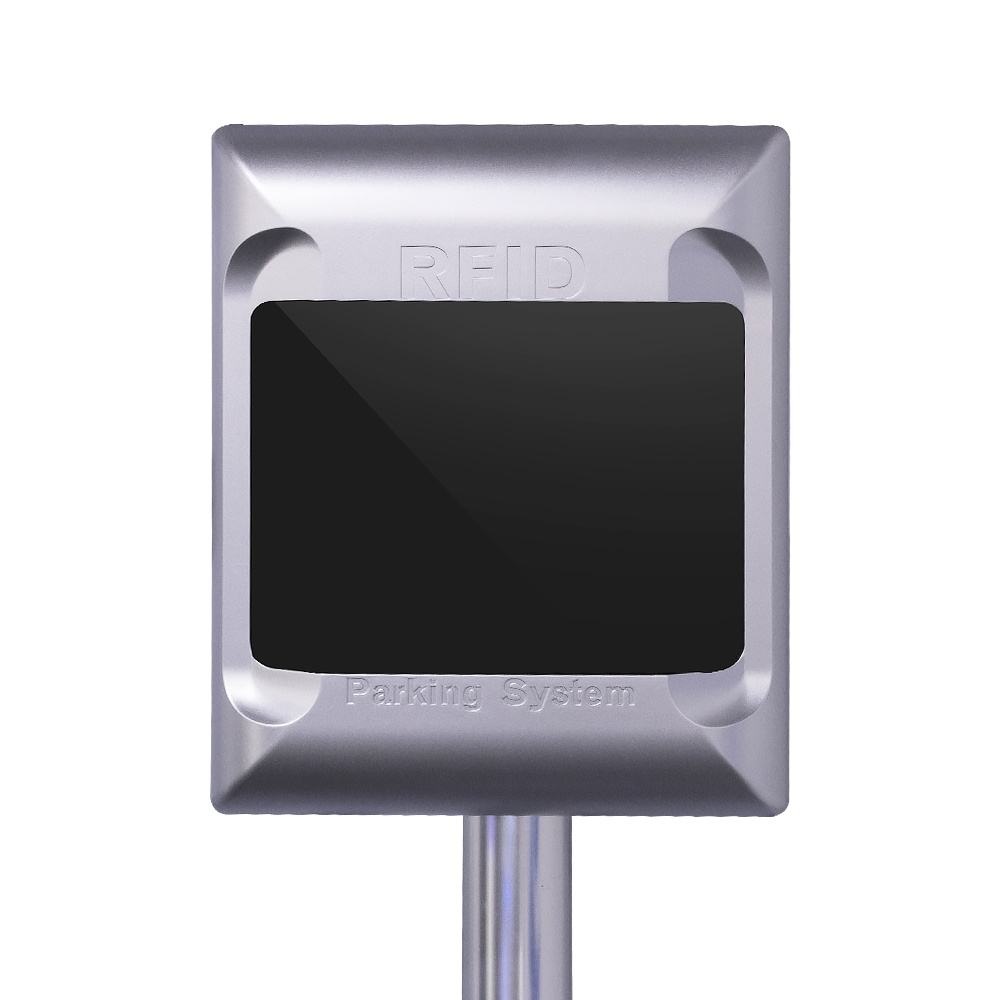
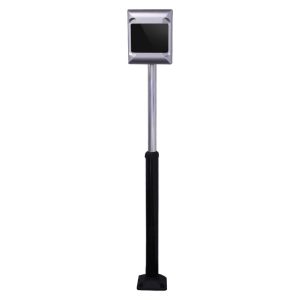
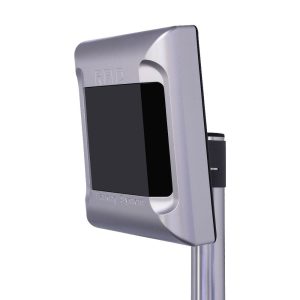
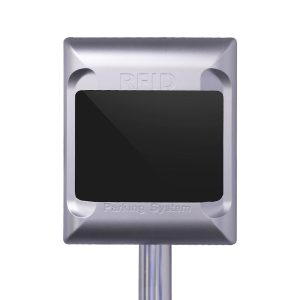
TGW-BTCR is an innovative wireless identification device. It seamlessly connects Bluetooth tags with Bluetooth readers, making vehicle access management simpler and more convenient. Without needing to get out of the car, it can quickly and accurately read Bluetooth electronic tags on vehicles from a distance. It is perfectly suitable for vehicle passage, monthly rental vehicle verification, and parking fee calculation, upgrading traditional static management mode to efficient dynamic intelligent management.

ะจะธะฝั ะฑาฏั‚ััะณะดัั…าฏาฏะฝ

ANPR / ALPR ะทะพะณัะพะพะปั‹ะฝ ัะธัั‚ะตะผ - TGW-LDV4
ะัะฒั‚ั€ัั… ั…ัะฝะฐะปั‚ - TGW-Q340
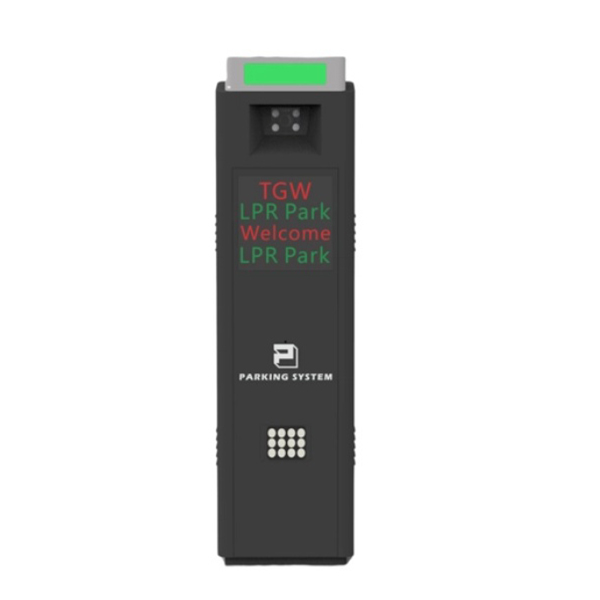
ANPR / ALPR ะทะพะณัะพะพะป - TGW-LIV0
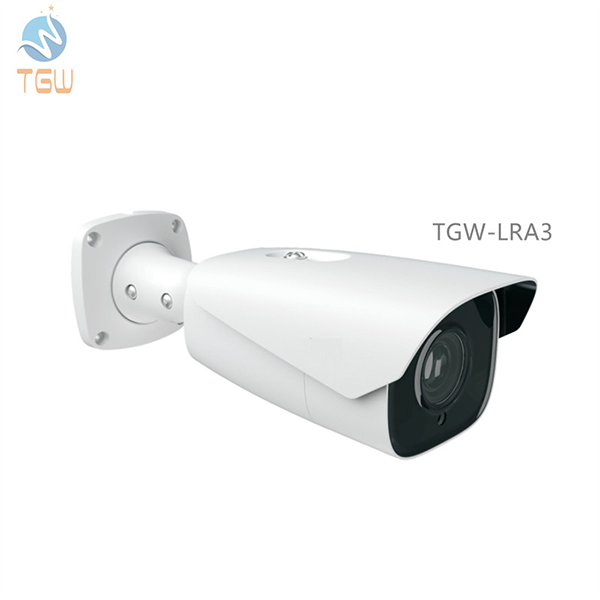
ะะฒั‚ะพะผะฐั‚ ะดัƒะณะฐะฐั€ั‹ะฝ ั…ะฐะฒั‚ะฐะฝ ั‚ะฐะฝะธั… ัะธัั‚ะตะผ ะขะพะฝะพะณ ั‚ำฉั…ำฉำฉั€ำฉะผะถะธะนะฝ ะทะพะณัะพะพะปะšะฐะผะตั€ะฐ - TGW-LRA3
LST008-1
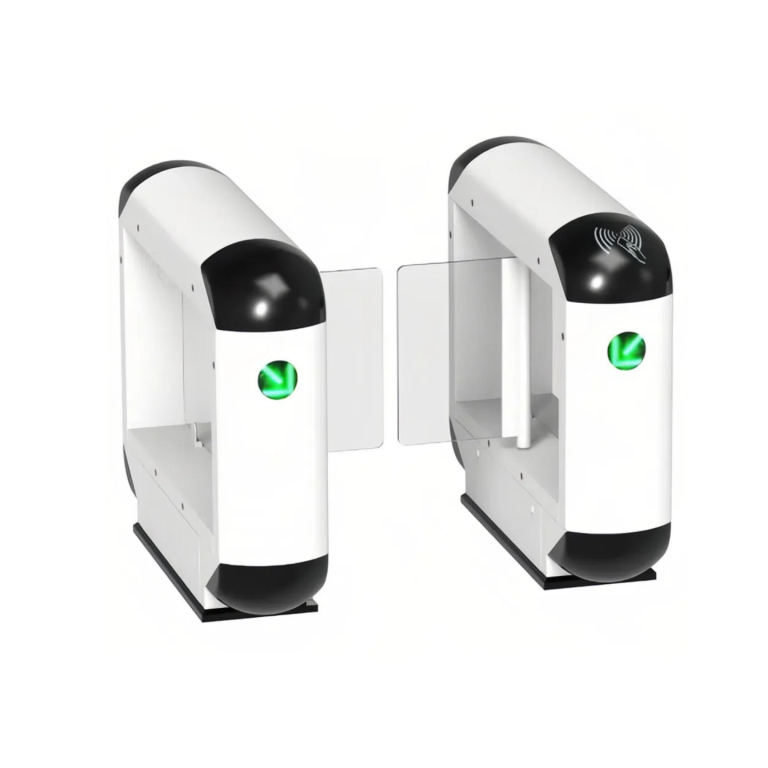
Turnstile Gate for Kindergarten - TGW-LST008
HC-LST022-1
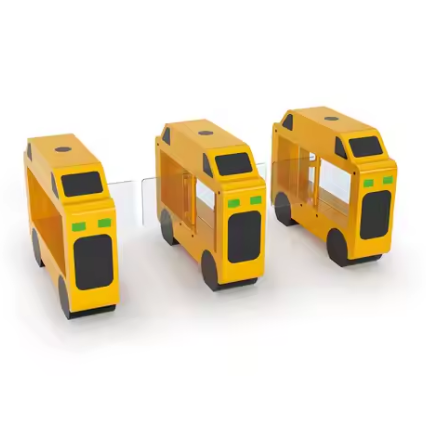
Turnstile Gate for Kindergarten- TGW-HS-LST022
TGW-ParkSFW-TS-1
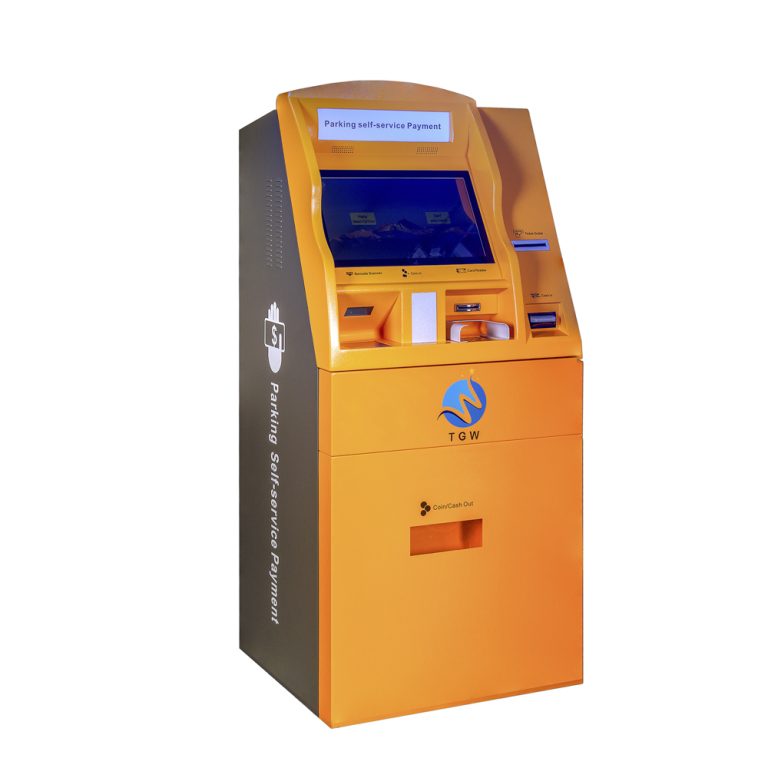
Software - TGW-ParkSFW-TS
TGW-Webbase-L-1
Software - TGW-Webbase-L
ะ‘าฏั‚ััะณะดัั…าฏาฏะฝะธะน ะทะฐะณะฒะฐั€ TGW-BTCR
Language Support English
Pots TCP.IP ports, Power supply ports
Reader range 3~15m (adjustable), the optimum: 5~8m
Reading angle 60 degree tapered area in front of the reader
Transmitting channel 38K
Receiving channel 433M
Identification speed โ‰ฅ60km/h
Working temperature -30โ„ƒ~+80โ„ƒ
ะฅะฐั€ะธะปั†ะฐะฐ ั…ะพะปะฑะพะพะฝั‹ ะธะฝั‚ะตั€ั„ัะนั Wiegand 26, Wiegand 34, RS485
Transmitting frequency 38K rectangle
Receiving frequency 433MHZ
Transmitting angle 45 degree conical
Data rate 19200bps (RS485)
ะฅาฏั‡ะดัะป DC 12V/3A
ะงะธะนะณัˆะธะป 10%~90%
Power โ‰ค400milliwatts
Reading speed Max. 80yar
Machine size 254*242*54mm(H*W*D)
Rod size 1500*60mm
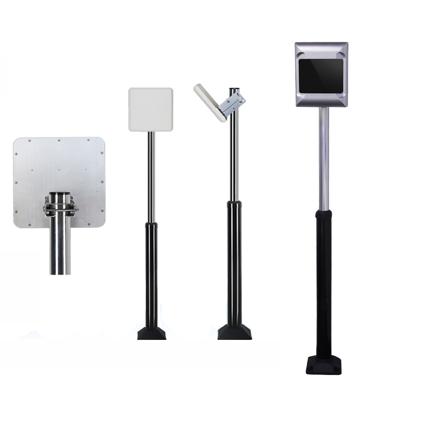
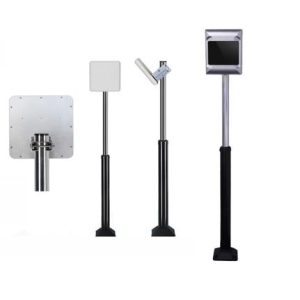
Angle adjustment in any angle according to the need

  1. Using Bluetooth transmission protocol, data transmission is stable and reliable.
  2. 60-degree directional scanning recognition, completely solve the misrecognition of car following.
  3. 15 sets of body code two-way verification, no interference between adjacent multiple channels.

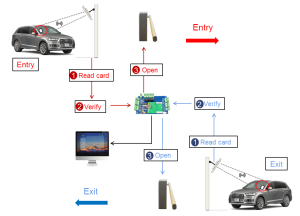
  1. Vehicle approach:Authorized vehicles approach the entrance passage of the parking lot. The vehicles are equipped with active Bluetooth electronic tags.
  2. Automatic wake-up and recognition: The Bluetooth UHF reader installed at the entrance continuously transmits signals. When a vehicle enters its recognition range , the reader automatically “wakes up” and reads the unique ID information of the vehicle tag.
  3. Data Transmission and Verification:The reader transmits the tag ID read from the label in real time to the background parking management system for verification through the Bluetooth gateway.
  4. Issuance of authorization instructions:

Successful verification: The management system sends the “open gate” instruction to the barrier.

Failed verification: The management system does not send the opening instruction, or notifies the staff at the booth to intervene manually.

  1. Automatic passage: The barrier gate rises automatically, and at the same time, a welcome message or vehicle information can be displayed on the screen.

1.How does this system work?

We install readers at the entrance. Your vehicle has an exclusive Bluetooth/UHF tag attached to it. When the vehicle approaches, the reader will automatically identify the tag from a distance and, after verification is successful, control the barrier to lower and allow passage.

2.Do I need to stop or roll down the window?

No, you don’t. This is a truly “hands-free passage”. The vehicle can be automatically identified while it’s in motion, and you can simply drive in without any action.

3.How far can the Bluetooth tag be recognized?

The recognition range is usually between 3 and 10 meters. This ensures that the vehicle can be accurately identified before entering the passage, allowing sufficient time for the barrier to raise.

4.If multiple vehicles follow each other (follow closely) when entering, will the system make a wrong judgment?

No. This system has excellent conflict prevention capabilities. It can accurately distinguish the tags of the front and rear vehicles and ensure that only authorized vehicles are allowed to pass, effectively preventing vehicles from following closely and entering illegally.

5.Will rain or bad weather affect the recognition?

The impact is minimal. The equipment and labels both have excellent waterproof, dustproof and anti-interference capabilities, and can adapt to various harsh weather conditions, ensuring stable operation.

6.Do the labels need to be charged or have batteries replaced?

This depends on the type of label. Passive UHF labels do not require batteries, while active Bluetooth labels have a built-in battery that can last for several years. When the battery level is low, the system will give an early warning to facilitate your replacement.

7.What should I do if my tag is lost or damaged?

Please contact the parking lot administrator immediately. They can cancel the old tag ID in the system’s backend and reissue a new one for you to ensure safety.

8.How does the system prevent a vehicle from using multiple tags for multiple vehicles?

Our system strictly enforces the “one vehicle, one tag” rule. Each tag ID is uniquely associated with an authorized vehicle license plate number in the background. If a vehicle that is not bound is detected attempting to use the tag, the system will deny its passage.

9.Besides controlling access, does this system have any other functions?

Yes. It is also applicable to automatic lane opening upon entry. Moreover, it can be used for various value-added services within the park, such as vehicle positioning, parking space guidance, and management of fixed area permissions.

10.If the identification fails and the barrier does not raise, what should I do?

Please pause for a moment and check if the label on the windshield has fallen off. You can also contact the central control room through the intercom system at the entrance. The staff will manually verify your identity and remotely open the barrier.

ะ‘าฏั‚ััะณะดัั…าฏาฏะฝะธะน ะฟะฐั€ะฐะผะตั‚ั€าฏาฏะด
ะ‘าฏั‚ััะณะดัั…าฏาฏะฝะธะน ะทะฐะณะฒะฐั€ TGW-BTCR
Language Support English
Pots TCP.IP ports, Power supply ports
Reader range 3~15m (adjustable), the optimum: 5~8m
Reading angle 60 degree tapered area in front of the reader
Transmitting channel 38K
Receiving channel 433M
Identification speed โ‰ฅ60km/h
Working temperature -30โ„ƒ~+80โ„ƒ
ะฅะฐั€ะธะปั†ะฐะฐ ั…ะพะปะฑะพะพะฝั‹ ะธะฝั‚ะตั€ั„ัะนั Wiegand 26, Wiegand 34, RS485
Transmitting frequency 38K rectangle
Receiving frequency 433MHZ
Transmitting angle 45 degree conical
Data rate 19200bps (RS485)
ะฅาฏั‡ะดัะป DC 12V/3A
ะงะธะนะณัˆะธะป 10%~90%
Power โ‰ค400milliwatts
Reading speed Max. 80yar
Machine size 254*242*54mm(H*W*D)
Rod size 1500*60mm
Angle adjustment in any angle according to the need

ะžะฝั†ะปะพะณ ัˆะธะฝะถ ั‡ะฐะฝะฐั€ัƒัƒะด
  1. Using Bluetooth transmission protocol, data transmission is stable and reliable.
  2. 60-degree directional scanning recognition, completely solve the misrecognition of car following.
  3. 15 sets of body code two-way verification, no interference between adjacent multiple channels.

ะะถะปั‹ะฝ าฏะนะป ัะฒั†
  1. Vehicle approach:Authorized vehicles approach the entrance passage of the parking lot. The vehicles are equipped with active Bluetooth electronic tags.
  2. Automatic wake-up and recognition: The Bluetooth UHF reader installed at the entrance continuously transmits signals. When a vehicle enters its recognition range , the reader automatically “wakes up” and reads the unique ID information of the vehicle tag.
  3. Data Transmission and Verification:The reader transmits the tag ID read from the label in real time to the background parking management system for verification through the Bluetooth gateway.
  4. Issuance of authorization instructions:

Successful verification: The management system sends the “open gate” instruction to the barrier.

Failed verification: The management system does not send the opening instruction, or notifies the staff at the booth to intervene manually.

  1. Automatic passage: The barrier gate rises automatically, and at the same time, a welcome message or vehicle information can be displayed on the screen.

ะขะฐะนะปะฑะฐั€

1.How does this system work?

We install readers at the entrance. Your vehicle has an exclusive Bluetooth/UHF tag attached to it. When the vehicle approaches, the reader will automatically identify the tag from a distance and, after verification is successful, control the barrier to lower and allow passage.

2.Do I need to stop or roll down the window?

No, you don’t. This is a truly “hands-free passage”. The vehicle can be automatically identified while it’s in motion, and you can simply drive in without any action.

3.How far can the Bluetooth tag be recognized?

The recognition range is usually between 3 and 10 meters. This ensures that the vehicle can be accurately identified before entering the passage, allowing sufficient time for the barrier to raise.

4.If multiple vehicles follow each other (follow closely) when entering, will the system make a wrong judgment?

No. This system has excellent conflict prevention capabilities. It can accurately distinguish the tags of the front and rear vehicles and ensure that only authorized vehicles are allowed to pass, effectively preventing vehicles from following closely and entering illegally.

5.Will rain or bad weather affect the recognition?

The impact is minimal. The equipment and labels both have excellent waterproof, dustproof and anti-interference capabilities, and can adapt to various harsh weather conditions, ensuring stable operation.

6.Do the labels need to be charged or have batteries replaced?

This depends on the type of label. Passive UHF labels do not require batteries, while active Bluetooth labels have a built-in battery that can last for several years. When the battery level is low, the system will give an early warning to facilitate your replacement.

7.What should I do if my tag is lost or damaged?

Please contact the parking lot administrator immediately. They can cancel the old tag ID in the system’s backend and reissue a new one for you to ensure safety.

8.How does the system prevent a vehicle from using multiple tags for multiple vehicles?

Our system strictly enforces the “one vehicle, one tag” rule. Each tag ID is uniquely associated with an authorized vehicle license plate number in the background. If a vehicle that is not bound is detected attempting to use the tag, the system will deny its passage.

9.Besides controlling access, does this system have any other functions?

Yes. It is also applicable to automatic lane opening upon entry. Moreover, it can be used for various value-added services within the park, such as vehicle positioning, parking space guidance, and management of fixed area permissions.

10.If the identification fails and the barrier does not raise, what should I do?

Please pause for a moment and check if the label on the windshield has fallen off. You can also contact the central control room through the intercom system at the entrance. The staff will manually verify your identity and remotely open the barrier.

ะขะฐะนะปะฑะฐั€ั‹ะณ ะฑัƒั†ะฐะฐะถ ะฐะฒะฐั…
ะกะฐะนั‚ ั…ัั€ะณะธะนะฝ ะทัƒั€ะฐะณ
ะั€ะฐะฑั‹ะฝ ะัะณะดััะฝ ะฃะปั

ะั€ะฐะฑั‹ะฝ ะัะณะดััะฝ ะฃะปั

ะะฒัั‚ั€ะฐะปะธ

ะะฒัั‚ั€ะฐะปะธ

ะšะฐะผะฑะพะถ

ะšะฐะผะฑะพะถ

ะคะธะปะธะฟะฟะธะฝ

ะคะธะปะธะฟะฟะธะฝ

ะฅะพะปะฑะพะณะดะพั… ะฑาฏั‚ััะณะดัั…าฏาฏะฝ
PARK-501DS-1
Barrier Boom - PARK-501DS
าฎะฝะดััะฝ01
RFID ะบะฐั€ั‚ั‹ะฝ ะทะพะณัะพะพะปั‹ะฝ ัะธัั‚ะตะผ - TGW-TBCE
าฎะฝะดััะฝ
ANPR / ALPR ะทะพะณัะพะพะปั‹ะฝ ัะธัั‚ะตะผ - Tiger-LP600R
ะณะพะป01
ANPR / ALPR ะทะพะณัะพะพะปั‹ะฝ ัะธัั‚ะตะผ - Tiger-LP600B

ะ—ำฉะฒะปำฉะปะดำฉั…, ะพะปะพั… ะะกะฃะฃะ”ะะ›

Shenzhen TigerWong Technology Co., Ltd ะœะฐะฝะฐะน ะฝัŒ ALPR / ANPR ะทะพะณัะพะพะปั‹ะฝ ัะธัั‚ะตะผ, ะทะพะณัะพะพะปั‹ะฝ ะผะตะฝะตะถะผะตะฝั‚ะธะนะฝ ัะธัั‚ะตะผ, ัะฒะณะฐะฝ ั…าฏะฝะธะน ัั€ะณัะปั‚, ะฝาฏาฏั€ ั‚ะฐะฝะธั… ัะธัั‚ะตะผะด ะฐะฝั…ะฐะฐั€ะปะฐะฐ ั‚ำฉะฒะปำฉั€าฏาฏะปะถ, ัƒั…ะฐะฐะปะฐะณ ะทะพะณัะพะพะปั‹ะฝ ะผะตะฝะตะถะผะตะฝั‚ะธะนะฝ ัะธัั‚ะตะผ, ะฝัะฒั‚ั€ัั… ั…ัะฝะฐะปั‚ั‹ะฝ ัะธัั‚ะตะผะธะนะฝ ัˆะธะนะดะปาฏาฏะดะธะนะฝ ะดัะปั…ะธะนะฝ ั‚ัั€ะณาฏาฏะปัะณั‡ าฏะนะปั‡ะธะปะณัั าฏะทาฏาฏะปัะณั‡ ัŽะผ.

ะœะตััะตะถ าฏะปะดััั