
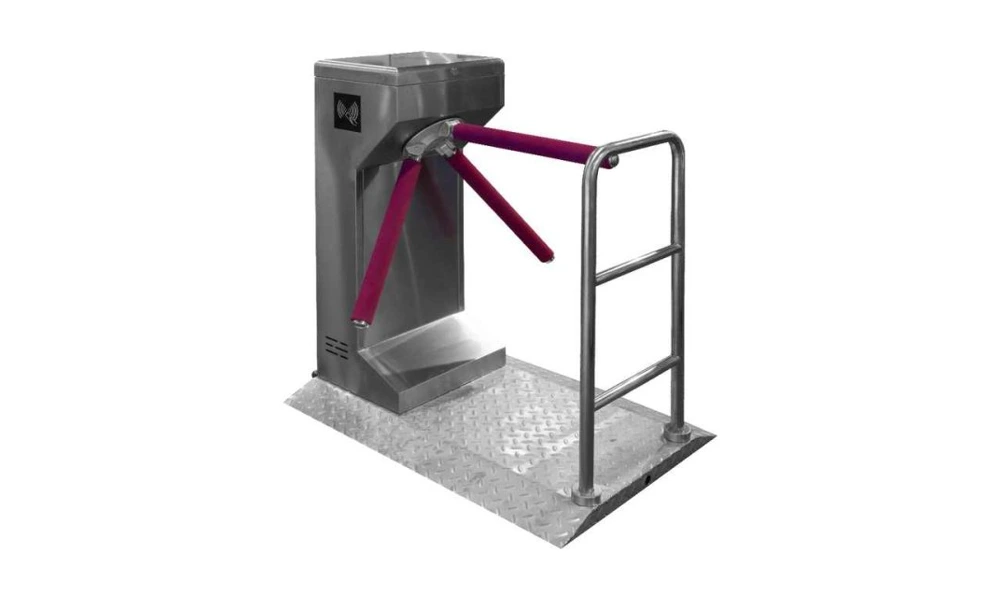
By the time a custom turnstile arrives, the designer may have moved on to another part of the project. What will the receiving team use to judge its finish? Keep a marked cabinet drawing and an identified sample with the order.
Together, they describe both the treatment and where it belongs.
Consider a black cabinet with a standard metal rear door. The front rendering may look exactly right, yet the designer could reject the back when it becomes visible from reception. A rear elevation would have exposed that disagreement before production.
It belongs in the approval set, even if nobody has requested changes there.
Bei TigerWong, we suggest building the appearance approval around named surfaces and a retained sample. That gives the designer and purchasing team a common reference. It also lets the supplier identify standard components that would remain different from the requested cabinet treatment.
What exactly is being customized?
Start with the proposed model’s drawing rather than an isolated color swatch. Which faces will actually change? A top panel, main body and removable door can appear to be one surface in a rendering, although the order may specify a different treatment for each.
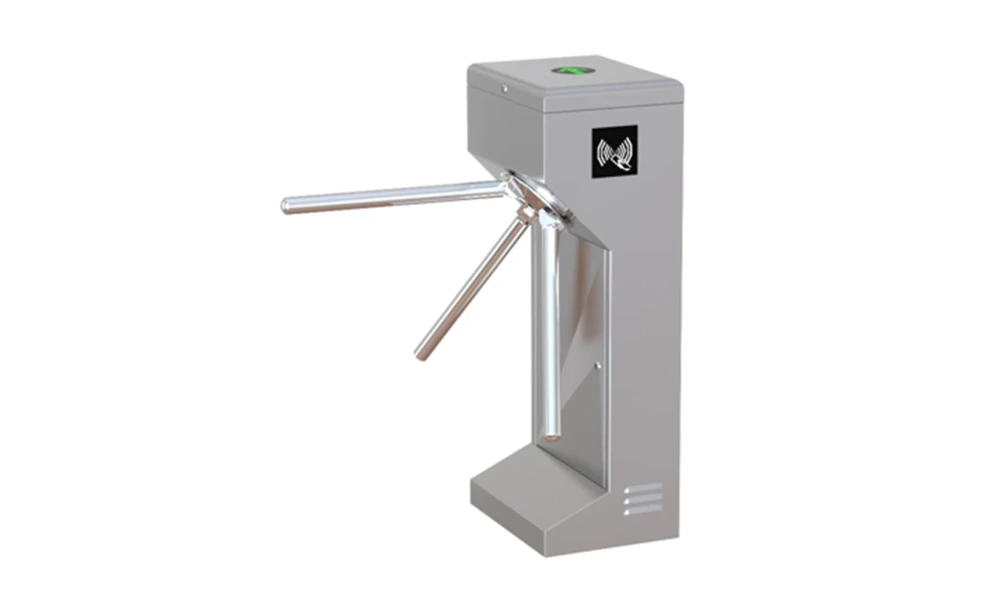
Use our TGW-TT001 Dreibein-Drehkreuz as the model reference when that is the proposed unit. Its standard image helps locate a component under discussion. For a new treatment, request confirmation of the alteration itself; the catalogue view still represents the standard product.
Describe each visible component separately. The cabinet body, top surface, arms, indicator window and reader surround may have different materials and functional requirements. Ask which can be customized and which must retain the proposed standard treatment.
There is still a separate question about the installation location. Suppose the entrance exposes the cabinet to rain: accepting its color does not establish that the proposed treatment is suitable there.
Describe the exposure and planned cleaning products to the supplier, and retain its response alongside the appearance approval.
How should the finish sample be identified?
A reception desk can provide the reference for a requested finish match. Bring its actual surface sample into the comparison if one is available. A phone picture may show the intended color, but it is a weak basis for settling texture or gloss.
Keep the specified color code in the record too.
Imagine two samples arriving a week apart, each carrying a slightly different treatment. The second is accepted, but both remain in the office. A dated reference attached to each sample prevents the purchasing team from sending the wrong instruction.
Record the represented component as well, especially where the top and doors have different finishes.
The planned entrance lighting is useful information for a sample review. A cabinet beside a window will be seen under different conditions from one farther inside the lobby. Agree a viewing arrangement with the supplier and record it.
Later, a concern about the match can be checked under those same conditions.
Where practical, retain corresponding samples on both sides of the order. The approval can refer to the accepted sample by name, together with the drawing revision and any outstanding correction.
If the record only says looks fine, the next person handling the order cannot know which surface was actually accepted.
| Approval item | What to record |
| Base material | The surface or component represented by the sample |
| Color reference | The agreed code and physical reference, if used |
| Texture and gloss | The accepted appearance under agreed viewing conditions |
| Coverage | Which faces, edges and removable panels receive the finish |
| Exceptions | Standard components that remain visibly different |
Brushed surfaces deserve a view of neighboring parts together. Their grain directions may matter to the overall appearance even when each part is acceptable individually. A flat sample also says little about a coated edge around an opening.
Note those limits now and revisit them on the assembled first unit.
Where do logos and reader openings go?
Place logos on a dimensioned drawing. Record their size, orientation, distance from fixed edges and application method. A logo positioned by eye in a rendering leaves the factory to interpret the final location on a real cabinet.
Supply suitable artwork and identify the approved version. Check fine lettering and narrow details at the intended physical size. If the chosen marking process cannot reproduce them clearly, resolve the artwork or process before signing off the first unit.
Unsere customization enquiry is the place to bring the artwork together with the intended reader and indicator layout. Seeing those elements on the same cabinet face helps us discuss the request.
A logo considered on its own does not show whether there is enough room beside the credential target.
The reader’s mounting drawing is more useful here than its nominal screen size. The installer needs the opening, flange and clearance information to check how the device will fit and later be removed.
Resolve that arrangement before approving the surround, since a changed opening may alter the visible finished area.
From the reception desk, the branding may look well placed. Now consider someone walking toward the lane: is the credential target still obvious, and is the direction indication visible? Repeat the review from the other end of a two-way lane.
Those approach views can expose details missing from the presentation rendering.
Replacing the proposed reader reopens its mounting details, even when the replacement looks similar. Different fixing points or a different flange can affect the finished panel. Ask the installer to check the new drawing, then approve the affected appearance details against that version.
The earlier sign-off describes the earlier arrangement.
What should be checked on the first unit?
Put the first assembled unit beside the drawing and reference sample. Work from the broad cabinet faces toward joints, corners and cutouts. A panel can look acceptable on its own yet differ visibly from the part beside it.
The assembled review is where that comparison becomes possible.
Photographs allow a remote buyer to review many details, but some comparisons may need to wait until arrival. Decide this before requesting the images. For example, a finish match that cannot be settled remotely can remain explicitly open for receiving inspection.
The approval should identify that limitation rather than imply the whole appearance is accepted.
Fragen Technische Unterstützung about access-panel operation and the fitted reader arrangement during this review. The visual customization should leave the agreed service access and device installation workable. Do not approve appearance while an opening or mounting detail remains unresolved.
A comment such as slightly higher leaves a logo correction open to interpretation. Dimension its revised position from a fixed cabinet edge. Also establish whether the request corrects the submitted unit or changes the buyer’s original instruction.
That distinction helps the two parties discuss the work and any commercial consequences accurately.
After the review, production needs an unambiguous decision about the batch. List the corrections and say whether another submission is required. A photograph accepted for one detail may leave another detail unresolved, so the decision should state separately whether the remaining units may proceed.
Keep that decision with the reviewed drawing.
How do you carry the approval into delivery?
An order folder containing three artwork versions still needs to identify the current one. Mark superseded versions accordingly and retain the accepted drawing, sample reference and first-unit decision together.
Nobody preparing the batch should have to infer which attachment is final from the order in which emails happened to arrive.
Return to the black cabinet with the standard metal rear door. An inspector without the approved rear view cannot tell whether that difference is intentional. Send the inspection references ahead of the shipment and agree how arrival damage will be recorded.
Keep dispatch photographs available if a later investigation needs them.
Once the cabinet is installed, the facilities team will need cleaning instructions for its actual surface. Include those instructions in the handover.
Before dispatch, discuss packing protection with the supplier as well; damage during handling would complicate an appearance inspection even when the factory’s first unit was accepted.
When ordering another cabinet to stand beside the first, provide the earlier approval references. Ask the supplier to identify any changes to the component or treatment before the new order is settled.
Where there is a change, another sample review gives the buyer a chance to assess the two surfaces together.
Bring the marked cabinet views and intended sample to a Projektbesprechung, along with the base model reference. We can discuss the requested changes against that specific unit and identify the sample or drawing decisions still needed before the order is ready for production.