
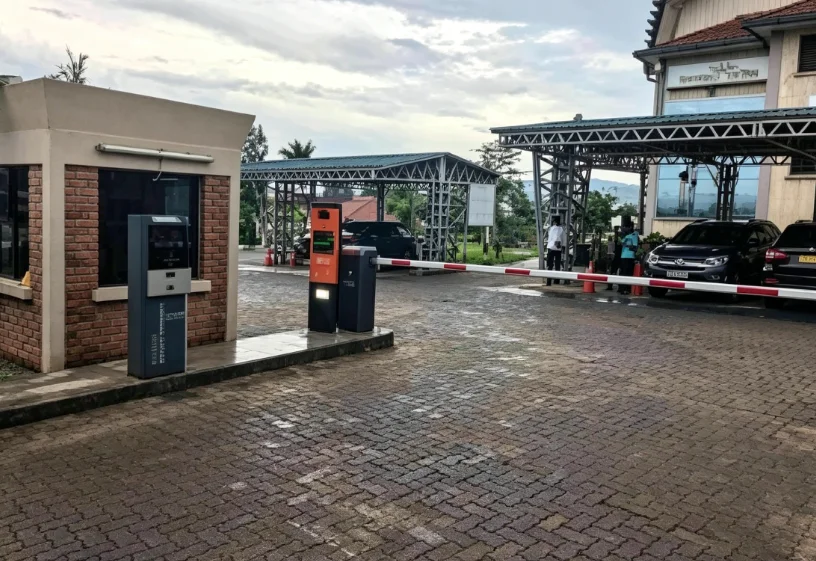
El estacionamiento suele ser la primera prueba de la calidad del servicio de un edificio. Si uno llega a un centro comercial y pasa ocho minutos dando vueltas en los mismos dos pasillos, el ambiente ya es tenso incluso antes de entrar al vestíbulo. Para los propietarios, esto no es solo una cuestión de comodidad. La entrada lenta, las rutas poco claras, los controles manuales y las colas de pago reducen la eficiencia del estacionamiento. Por eso, muchos centros comerciales ahora consideran los sistemas de estacionamiento inteligentes y el diseño avanzado de sistemas de estacionamiento como parte de la operación diaria, y no solo como una actualización tecnológica.
TigerWong es un nombre práctico en este campo. TigerWong Se especializa en sistemas inteligentes de gestión de estacionamiento, control de acceso, sistemas de reconocimiento automático de matrículas (ANPR/ALPR), torniquetes peatonales y sistemas de reconocimiento facial. Su gama de productos abarca ANPR/ALPR, estacionamiento con ticket, estacionamiento con tarjeta RFID, estacionamiento UHF y Bluetooth, pago de estacionamiento, barreras de acceso y sistemas de guiado de estacionamiento. Para los compradores, la ventaja reside en que estos componentes no se consideran dispositivos independientes. Se pueden planificar en función del flujo real del recinto, desde la entrada del vehículo hasta el pago y la salida. Esto es fundamental al gestionar un complejo residencial, un parque empresarial, un hospital o un centro comercial con un flujo de visitantes diverso.
¿Por qué la eficiencia del estacionamiento depende del diseño del sistema de estacionamiento?
Un sistema de estacionamiento inteligente solo funciona bien cuando el diseño del sitio, el equipo, el software y los hábitos de los usuarios coinciden. Puede que tengas cámaras y barreras, pero si la entrada es demasiado estrecha o la señalización es confusa, los conductores seguirán reduciendo la velocidad. diseño de sistemas de estacionamiento Todo comienza con una pregunta sencilla: ¿dónde se pierde el tiempo?
La entrada y la salida suelen ser los primeros cuellos de botella.
En muchos estacionamientos concurridos, las demoras comienzan en la entrada. Un guardia revisa las placas manualmente. Un conductor busca su boleto. Alguien olvida dónde pagar. Estos pequeños detalles provocan largas filas durante las horas pico en la oficina o los fines de semana de compras. Un sistema automatizado de estacionamiento para la entrada y salida puede reducir esta presión mediante el reconocimiento de placas, el control de barreras y el pago digital del estacionamiento.
El flujo de tráfico necesita una guía clara.
El diseño avanzado de sistemas de estacionamiento para optimizar el flujo de tráfico debe evitar que los vehículos circulen sin rumbo fijo. Un sistema de guiado de estacionamiento para conductores puede mostrar las plazas disponibles por planta o zona. La monitorización en tiempo real de las plazas de estacionamiento también ayuda a los operadores a identificar qué áreas están ocupadas, cuáles se descuidan y dónde es necesario modificar la señalización. Este es un detalle menor, pero en un estacionamiento grande puede evitar muchos giros innecesarios.
¿Qué tecnologías hacen que los sistemas de estacionamiento inteligente funcionen mejor?
Los sistemas de estacionamiento inteligentes no son un solo dispositivo, sino un conjunto de herramientas que comparten información. Las más útiles suelen ser sencillas para el conductor, aunque el funcionamiento interno sea más complejo. El conductor entra, el sistema lee, registra, abre, guía, cobra y le permite salir.
El reconocimiento de matrículas acelera el acceso.
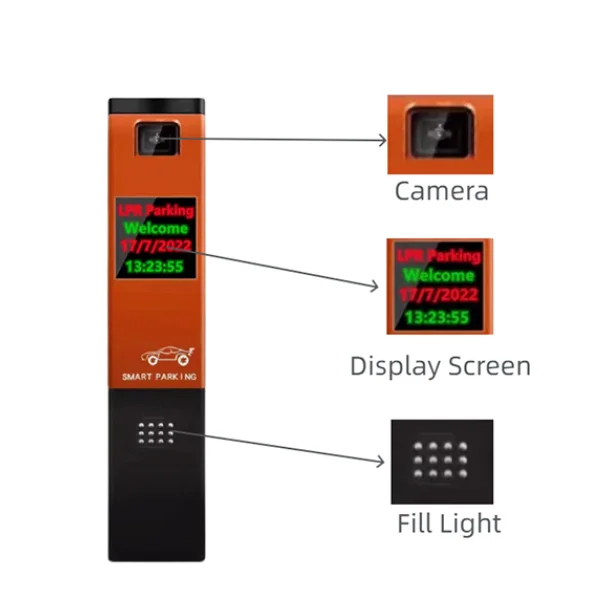
El sistema de estacionamiento ANPR/ALPR Tiger-LP600R está diseñado para la identificación automática de vehículos y el control de acceso. Permite un reconocimiento de matrículas rápido y preciso, de modo que los vehículos pueden entrar y salir sin necesidad de tickets ni tarjetas. Para estacionamientos inteligentes, complejos residenciales e instalaciones comerciales, esto se traduce en menos tickets perdidos, menos problemas con las tarjetas y menos trabajo manual en la entrada.
El software permite visualizar la gestión diaria.
El software de gestión de estacionamientos le brinda una visión más clara de lo que está sucediendo. Puede consultar los registros de vehículos, el estado de los pagos, los datos de acceso y los patrones de tráfico. TigerWong’s software de gestión de estacionamiento También admite reconocimiento de matrículas, reconocimiento en tiempo real, cifrado de datos, integración flexible y una interfaz intuitiva. En condiciones ideales, la precisión de reconocimiento indicada puede superar el 99 %, con un tiempo medio de reconocimiento inferior a 0,5 segundos. Estas cifras son cruciales cuando llegan vehículos uno tras otro.
¿Cómo pueden los sistemas de estacionamiento inteligentes reducir la presión operativa?
La principal preocupación de muchos compradores no es si el sistema parece avanzado. La verdadera pregunta es si reduce los problemas cotidianos. ¿Puede disminuir las quejas? ¿Puede reducir los costos laborales? ¿Puede ayudar al personal a gestionar las excepciones en lugar de repetir las mismas comprobaciones durante todo el día?
Menos trabajo manual significa una respuesta más rápida.
Cuando un sistema de estacionamiento con reconocimiento de matrículas se integra con barreras y herramientas de pago, el personal ya no necesita atender cada vehículo individualmente. Pueden concentrarse en corregir entradas incorrectas, brindar asistencia a los visitantes, resolver problemas con los pases mensuales y gestionar incidentes de seguridad. Esto resulta más práctico en instalaciones con equipos reducidos. Nadie quiere que tres personas estén paradas junto a una barrera solo porque el software sea deficiente.
Mejores datos te ayudan a ajustar las reglas.
Un sistema de estacionamiento inteligente para centros comerciales puede necesitar estacionamiento de corta duración y rotación rápida. Los sistemas de estacionamiento inteligentes para edificios comerciales pueden necesitar permisos de empleados, registros de visitantes e informes de horas pico. Con sistemas de gestión de estacionamientoPuedes combinar ANPR/ALPR, estacionamiento con ticket, RFID, UHF/Bluetooth, pago y herramientas de guiado en función de las necesidades reales del sitio en lugar de adivinarlas.
¿Qué debes comprobar antes de elegir un sistema de aparcamiento inteligente?
Antes de comprar, observe el sitio como conductor y gerente a la vez. Recorra la entrada, el estacionamiento, el punto de pago, la salida y el proceso administrativo. Un buen sistema debe ser fácil de usar para los conductores y, al mismo tiempo, brindar a los operadores suficiente control.
Verifique la integración, no solo el hardware.
Una cámara, una barrera y una máquina de pago deben estar interconectadas. De lo contrario, podrían producirse retrasos en las puertas, pérdida de registros o confusión en los pagos. El diseño del sistema de estacionamiento debe incluir enlaces de software, registros de datos, roles de usuario y la posibilidad de futuras ampliaciones.
Plan para usuarios reales
Los conductores no leen instrucciones largas en la barrera. Buscan señales sencillas, una respuesta rápida y pasos de pago claros. Una solución digital de pago de estacionamiento debe ser fácil de usar. Un sistema de guía de estacionamiento debe ser visible antes de que los conductores se equivoquen de camino. Pequeños detalles de diseño pueden determinar si el sistema funciona bien o resulta molesto.
Preguntas frecuentes
P1: ¿Qué son los sistemas de estacionamiento inteligentes?
A: Los sistemas de estacionamiento inteligentes utilizan herramientas de reconocimiento, software, pago y guiado para gestionar el estacionamiento con menos trabajo manual.
P2: ¿Cómo mejora el diseño del sistema de estacionamiento la eficiencia del estacionamiento?
A: Un buen diseño del sistema de estacionamiento reduce los retrasos en las puertas, las rutas incorrectas, la búsqueda de espacios libres y las colas de pago.
P3: ¿Por qué es útil el reconocimiento de matrículas en un sistema de estacionamiento inteligente?
A: El sistema de reconocimiento de matrículas permite una entrada y salida de vehículos más rápida sin necesidad de tickets ni tarjetas.
P4: ¿Dónde se pueden utilizar los sistemas de estacionamiento inteligente?
R: Son adecuadas para edificios comerciales, centros comerciales, complejos residenciales, hospitales, parques empresariales y aparcamientos públicos.
P5: ¿Qué deben comprobar los compradores antes de la instalación?
A: Compruebe el flujo de tráfico, la integración del software, los métodos de pago, la señalización, las necesidades de mantenimiento y la expansión futura.