
A plate read identifies the registration visible to the camera. A depot visit can involve more than that one registration. A tractor, trailer and replacement vehicle may each matter to the operator, while the appointment or delivery remains the same.
The record design needs to explain how those identities relate.
Start with the depot’s arrival record. What must the operator know before accepting this movement, and who is allowed to change that information? A camera can return the right characters while the desk still cannot find the expected visit.
The brief needs to account for both tasks.
At TigerWong, our parking equipment discussions can start with the registration you expect the entrance to recognize. For fleet sites, include the vehicle combinations and replacement arrangements in the brief. The word truck alone leaves too much of the visit undefined.
Which registration identifies the depot visit?
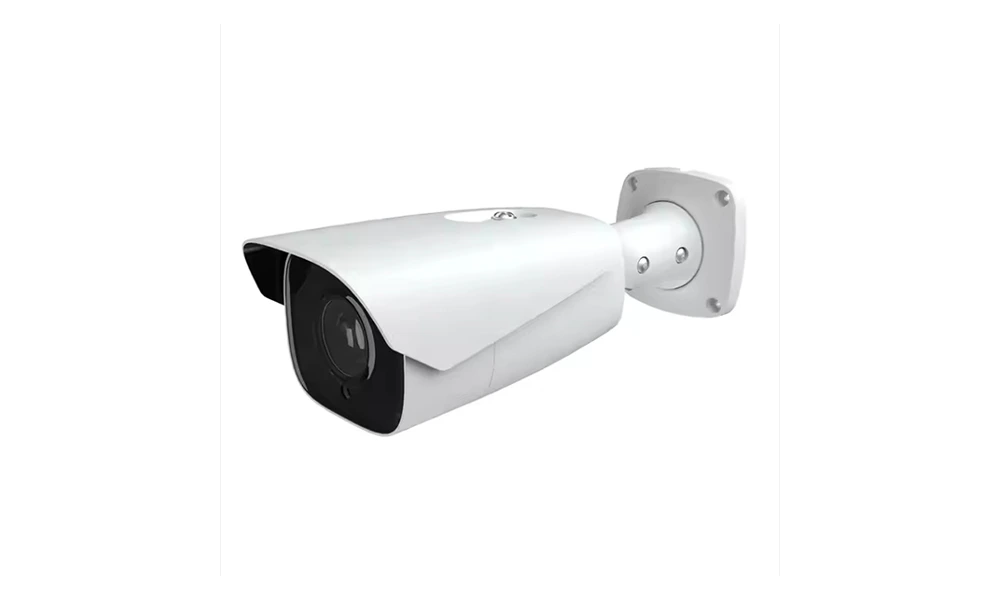
Nossa TGW-LRA3 plate reader provides a product reference for the recognition portion of an enquiry. The depot still needs to define what the observed registration means in its own records. It should not be assumed to identify the driver, cargo or booking by itself.
Take a hypothetical delivery booked against one tractor. That tractor becomes unavailable, so the carrier sends another one to the same appointment. Nothing has gone wrong with recognition when the camera reads the new plate.
The unresolved question sits in the booking: has the substitution been accepted by the depot?
Use a visit identifier if the operation needs to follow one appointment through such changes. Keep the approved registration as an attribute of that visit, with any additional identifiers defined separately.
This is a suggested record design to discuss with your integrator, not a claim that every parking application supplies it automatically.
Ask an operator to describe how they would find yesterday’s disputed arrival. They might start from a delivery reference rather than a plate. That choice matters to the record design.
The proposed application needs a way to reach the related vehicle information from the reference the depot actually uses.
| Record item | Meaning to agree with the depot |
| Visit reference | The appointment or movement being authorized |
| Tractor registration | The tractor associated with that visit |
| Trailer identifier | The trailer information required by the operation |
| Observed plate | What was actually recognized at the entrance |
| Change approval | Who authorized an exception or replacement |
For every proposed field, write down where its value comes from. Trailer information supplied by a carrier, for instance, may need checking by someone at the depot. If no one will maintain a field, reconsider requiring it.
An empty box in every visit adds little to an investigation.
How should tractors and trailers be recorded?
Where the depot tracks both tractor and trailer, give each its own place in the record. A tractor can return with a different trailer. If the software treats the previous pairing as permanent, a legitimate change becomes an exception every time that tractor is coupled differently.
Which registration is actually visible in the proposed view? Label that observation in the design. One camera event should not be used as shorthand for all the identifiers on a vehicle combination.
Any identifier still missing needs another agreed source, whether that is another observation or the depot’s administrative process.
A helpful enquiry includes a few representative vehicle combinations and the direction in which they approach. The purpose here is to explain the identifiers, not to prescribe camera geometry. The selected equipment’s deployment should be assessed separately against the actual site and required observation.
Walk through an arrival with no trailer information in the booking. Can this movement proceed, or must someone obtain the missing value first? Either answer needs to come from the depot’s policy.
Leaving the field mandatory on a form without a way to resolve it gives the operator an avoidable problem.
When a registration is corrected, ask what remains of the original observation. For a later review, it helps to distinguish what the camera returned from what an authorized operator entered.
Confirm how the selected application records that correction and who made it; do not assume every system keeps the same history.
What happens when a replacement vehicle arrives?
Put a named role behind substitution approval. A familiar carrier name will not tell the operator whether this particular unfamiliar plate belongs to today’s appointment. The entrance needs a contact or record that can settle that question using the information available while the driver waits.
Nossa parking software range is relevant to the parking portion of a project, but a depot booking process may involve another application. Name the owner of the booking record and the owner of the entrance permission. Then specify how a confirmed change reaches the latter.
For a hypothetical replacement arrival, retain the original expected registration, the replacement registration and the person approving the change. The exact implementation belongs in the selected software scope. The purchasing requirement is that the operator can explain why the observed vehicle was accepted.
A replacement may be acceptable for just this arrival. Adding it to a permanent fleet list could give it permission on later days as well.
Ask the software team to show those two actions separately, or explain how the proposed arrangement keeps a temporary exception from becoming an ongoing authorization.
Describe the waiting procedure while clarification is obtained. The driver needs instructions and the operator needs a contact route. A refused registration needs an administrative process behind it, alongside the separately specified barrier safety behavior.
Which events belong in the visit record?
A recognized registration, an authorization decision and a confirmed passage are different events. The depot should say which it needs to retain. If an appointment report is intended to show actual arrival, clarify what evidence establishes that arrival in the proposed arrangement.
Follow one visit from its expected state through observation, approval and completion. Where another platform supplies the appointment or yard status, identify that platform’s responsibility. An entrance device should not be described as verifying a delivery’s contents simply because it recognized the associated vehicle.
Consider repeated observations during a wait. The same registration may be seen again without a second visit having begun. Ask how the selected application associates observations with the intended visit, and how the operator handles an ambiguous association.
Do not invent a universal matching rule for every depot.
Nossa suporte técnico team can help clarify the equipment documentation needed for the proposed connection. The integrator should still confirm the receiving application’s fields and behavior. A data handoff is only useful when both sides agree what the event means.
The depot owner should set who can see the records and how long they need to remain available. Give those requirements to the integrator with the visit fields.
They form part of the proposed operating arrangement; calling the entrance compliant without reviewing the applicable requirements would not answer the question.
How do you test the vehicle list before launch?
Write a few test visits before the demonstration starts. One should use the expected tractor, another a substitution and another a changed trailer pairing. For each, give the observer the expected decision.
It is then possible to notice when a gate opens for a reason different from the one intended.
Follow those test visits on the proposed operator screen. Where does the observed plate appear? How does the operator reach the booking?
Have an authorized tester attempt a change from an account that should lack that permission, using the agreed test procedure, and retain the resulting record.
A successful plate-reading demonstration can leave the booking work unfinished. Put each unresolved journey beside the supplier or depot role responsible for it. Before accepting a movement report, pick an entry and trace it back to the agreed visit events.
That reveals whether the report represents the operation you meant to buy.
Send representative vehicle combinations and the proposed visit fields for a project discussion. We can discuss the TigerWong recognition equipment alongside the depot’s record requirements and identify which booking-system questions belong with your integrator.