
Ask three suppliers what a turnstile power outage means and the answers may describe three different physical states. A tripod arm can drop. A rotor can become free to turn. Another arrangement can call for staff to release it. The ordered mechanism decides which answer applies, and separate power circuits can complicate the picture. Get the response for your lane, including its return to service, in writing.
A quotation should carry more than an emergency-opening tick box. Before comparing prices, ask the supplier to put the expected physical response beside each supply or signal condition. The buyer still needs a state schedule identifying the trigger, physical gate position, remaining access control and recovery action. This checklist helps procurement and the site team ask for that schedule without treating every gate family as mechanically identical.
What should the quotation say will happen without power?
Start with the ordinary operating state. Record the model, permitted travel direction, credential reader, controller and lock arrangement. Now remove mains supply from that description. From the entry side, can a person push through? From the exit side, what changes? Ask the supplier to mark automatic movement and any required operator action against those two observations. The answer should name the ordered configuration, including optional equipment.
Бидний tripod turnstile emergency function description for TGW-TT028 states that the tripod drops during an emergency. It does not, by itself, settle every project question about a mains interruption, an alarm input, an independently powered controller or restoration. Those belong in the supplier’s response for the actual unit and interface design.
Avoid accepting a single tick beside “emergency opening.” Two bids can use that phrase while requiring different site actions. One may describe the alarm command, another the mechanical response when power disappears. Ask the bidder to answer each event separately. Keep the response with the equipment schedule so a later substitution cannot silently change the intended passage state.
| Event to specify | Supplier’s written answer | Site decision to record |
|---|---|---|
| Gate mains removed | Arm or rotor state and required action | Staff response and available route |
| Controller supply lost | Gate input behavior with controller unavailable | Who investigates and controls access |
| Alarm signal received | Defined release sequence for this configuration | Approved alarm interface owner |
| Power restored | Movement, locking and reset sequence | Who authorizes return to service |
Use observable language in the answer column. “Arm drops” or “rotor can turn freely” is easier to witness than “safe mode.” The site safety team must judge the proposed route and required behavior against its own approved arrangements.
Which release mechanism are you actually buying?
A dropped tripod arm and a freely rotating half-height rotor leave different physical passages. They also present different reset tasks. Cabinet appearance is a poor guide to either function. Before ordering, identify what releases, what stays in the passage and what a member of staff must touch, if anything, after the event.
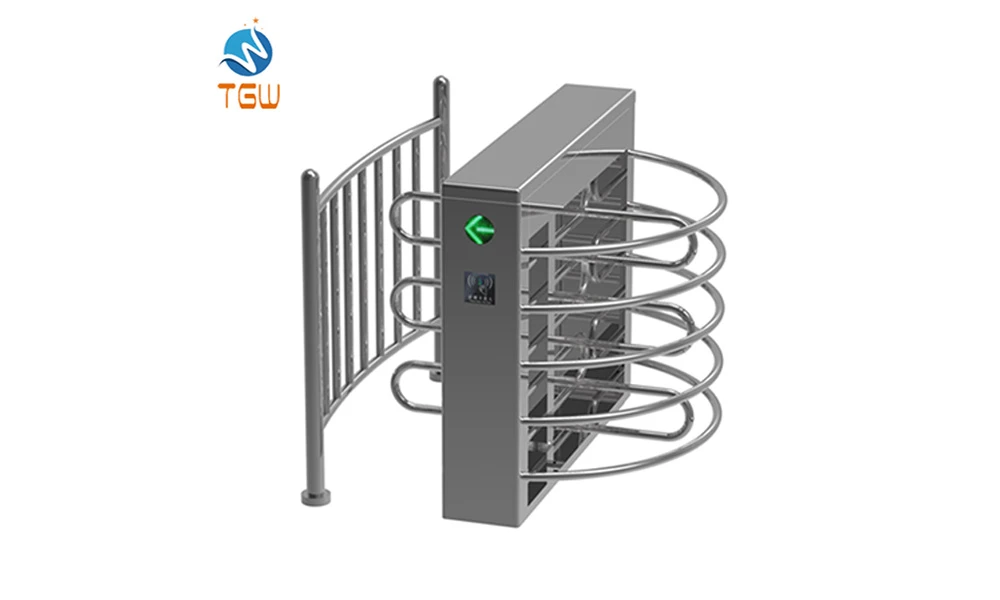
Our solution description includes an emergency control device for a half height turnstile arrangement that allows the central pivot to rotate freely on power failure and locks again after supply returns. That is a family-level example to confirm against the chosen model. It cannot be transferred automatically to a tripod, swing gate or another rotor configuration.
If release needs a person, follow that person’s task on the drawing. Where do they stand? Where is the key, if one is needed? Who covers the night shift when the usual operator is away? Get the ordered assembly’s instructions from the supplier and check those practical details with the site. A cabinet photograph cannot answer them.
Take the accessible passage into the same review. A released tripod still has a cabinet and other physical constraints around it. Trace a wheelchair user’s route, and the route for a cart or bulky luggage, on the plan. Name the person who controls that passage during an interruption. A later layout change should send this part of the drawing back for review.
What stays powered when the gate supply fails?
Draw a supply line to every component, including the reader, controller and network switch. Mark which ones share a circuit and which ones have backup. Now trace a local circuit failure through the drawing. It may leave the reader lit while the mechanism is unpowered, or leave the gate powered while the authorization source is down. Both deserve their own state entry.
When reviewing a swing turnstile configuration, include the actual reader and controller in the equipment list. Request a connection and power diagram for that proposal. A general statement about supported access methods does not explain which components remain active during a local interruption.
For a backup-power option, request the load list before the runtime discussion. Does the proposal include just the gate, or also the reader and controller? How much activity must it support during the interruption? Give those questions to the responsible electrical team, then have the supplier check the resulting gate state against the outage schedule. A runtime figure without that context is hard to use.
Add one more question to the backup proposal: what tells the on-duty operator that mains supply has disappeared? Do not assume an alarm, software event or battery warning is included. Put any required indication and log destination on the interface sheet. A backup supply can hide a supply fault from staff unless the project deliberately makes that condition visible.
How should staff release and restore the lane?
Keep an interruption procedure and a restoration procedure in the operating file. Put a site role beside each action, including the decision to return to ordinary credential control. A technician who knows the cabinet well may be absent when an overnight outage occurs, so the operating file has to work for the staff actually on duty.
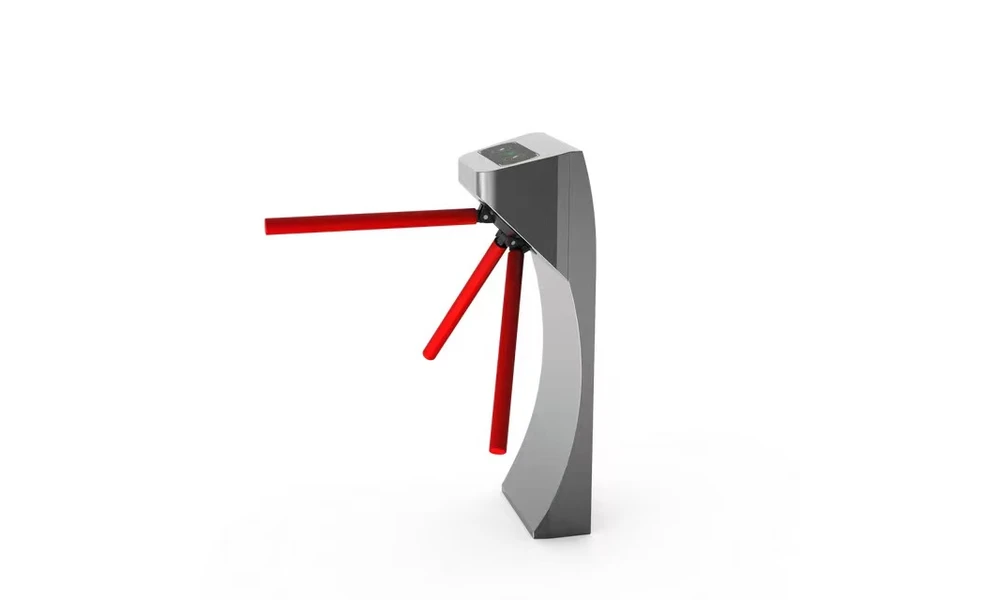
Our overview of tripod emergency response gives context for emergency release. For a purchase decision, bring the discussion back to the selected configuration and the site-approved sequence. A fire signal and loss of mains must have separate entries even if the supplier expects the same physical response.
Restoration deserves a witnessed check. Does the gate return to a locked state automatically? Is any arm repositioning required? What happens to an authorization that was accepted just before the interruption? Ask the supplier to describe those cases, then let the site owner approve the proposed return-to-service procedure. Keep people clear during any reset movement as the model instructions require.
Record changes to the sequence after handover. Replacing a controller, adding a backup supply or changing an alarm interface can alter the behavior without changing the gate cabinet. The owner should retain the current drawing, instructions and approved state schedule together. An old signed sheet is little help if it describes equipment no longer installed.
Which outage tests belong in purchase acceptance?
Agree on the test plan before delivery, with the supplier, integrator and authorized site team. The plan should name the exact unit, configuration and events to be witnessed. Any interruption of electrical supply or alarm interfaces must be performed by the responsible qualified personnel under the site’s procedures. Procurement’s job is to specify evidence, not to improvise electrical work.
For each event, capture the starting state, observed physical response, remaining reader or controller activity, operator action and recovery result. Keep an exception open until the affected test has been repeated after correction. A video can support the written result, but it should identify the unit and the event rather than merely show an open passage.
| Acceptance record | What to retain |
|---|---|
| Configuration identity | Model, options, controller and drawing revision |
| Trigger and observation | Exact interruption or signal and actual passage state |
| Staff action | Procedure used, responsible role and result |
| Recovery | Reset behavior and successful ordinary authorization afterward |
| Exception closure | Correction, repeat test and owner sign-off |
Send the lane layout, ordered model, controller details and proposed backup arrangement when you contact our turnstile team. Include the outage state you want the site to achieve. We can use those inputs to confirm the relevant model documents and configuration questions for the quotation, so the purchase ends with a sequence the site can actually demonstrate.