
Хотууд машинаар дүүрсээр байгаа ч зай талбай тэлэхгүй байна. Уламжлалт зогсоолууд дэлгүүр, жижиг цэцэрлэгт хүрээлэн эсвэл явган хүний зам байрлуулах боломжтой газрыг эзэлдэг. Жолооч нар ихэвчлэн байр хайхад цагаа үрдэг, эгнээнүүд хүнтэй болдог, үйлчлэгчид хөл нийлүүлэн алхаж чаддаггүй. Тааварт зогсоолын системүүд Үүнийг өөрөөр зохицуулдаг. Тэд тээврийн хэрэгслийг авсаархан байрлалд давхарлаж, гулсуулдаг. Энэхүү арга нь арилжааны барилга, орон сууцны хорооллууд, оффисын цогцолборууд болон олон нийтийн талбайд илүү олон машиныг аюулгүй, үр ашигтай байрлуулах боломжийг олгодог. Мэдрэгч болон тавцангийн удирдлага нь хурд болон аюулгүй байдлыг нэмэгдүүлж, орчин үеийн зогсоолын шийдлүүдийг бодитойгоор сайжруулдаг.
Яагаад уламжлалт зогсоол орчин үеийн хотын хэрэгцээг хангахаа больсон бэ?
Хотын нягтаршил ихтэй газруудад газар үнэтэй байдаг. Уламжлалт талбайнууд их зай эзэлдэг. Та машинууд хөл хөдөлгөөн ихтэй худалдааны төвийн эргэн тойронд эргэлдэж, хүмүүс явган хүний зам дээр шахагдаж, жолооч нар бухимдаж байхыг харсан байх. Нарийн зай нь зураас эсвэл жижиг мөргөлдөөн гарах магадлалыг нэмэгдүүлдэг. Хүний алдаа нь машины зогсоолыг удаашруулж, найдваргүй болгодог.
Нягт хотуудад хязгаарлагдмал газрын нөөцтэй байдал
Үл хөдлөх хөрөнгийн үнэ байнга өсч, зогсоолын нэмэлт газар ховор тохиолддог. Хадгалагдсан хавтгай дөрвөлжин метр бүр чухал. Олон давхар гарааш байдаг ч хүнд барилга байгууламж, зөвшөөрөл шаардлагатай бөгөөд хөршүүддээ саад учруулж болзошгүй. Тааварт зогсоолын системүүд өөрөөр ажилладаг. Тавцангууд босоо байрлалтай эсвэл завсар зай руу гулсдаг. Жижиг зоорийн давхар эсвэл жигд бус талбайнууд гэнэт олон машин багтдаг. Их хэмжээний барилга байгууламж барих шаардлагагүй бөгөөд шинэчлэл хийх нь илүү хурдан байдаг.
Үр ашиггүй тээврийн хэрэгслийн урсгал болон хэрэглэгчийн туршлага
Уламжлалт зохион байгуулалт нь жолооч нарыг хязгааргүй тойрч явахад хүргэдэг. Том зогсоолууд нь хүмүүс машинаа хайж байх үед хэдэн минутыг үрдэг. Оргил ачааллын үед үүдний дараалал урт болдог. Гар удирдлага нь хурдаа гүйцэхэд хэцүү байдаг. Таавар системүүд нь машинуудыг хоосон үүр рүү автоматаар шилжүүлдэг. Жолооч нар хүлээх цаг бага зарцуулдаг бөгөөд зогсоол доторх замын хөдөлгөөн илүү жигд явагддаг.
Аюулгүй байдал ба сансрын хог хаягдлын асуудлууд
Стандарт зогсоолууд зай үлдээдэг ч мөргөлдөөн гардаг. Машинууд эв хавгүй зогсдог эсвэл бага зэрэг зайтай зогсдог. Таавар системүүд нь хүний жолоодлогыг бууруулдаг. Мэдрэгч нь байрлалыг шалгаж, буруу байрлалыг илрүүлдэг. Байршил нь илүү цэгцтэй болдог. Удирдлага нь хялбар болж, эгнээ хаах машинууд цөөрдөг.
Тааварт зогсоолын систем гэж юу вэ?
Энэ бол хагас автомат системТа ган тавцан дээр жолооддог. Мэдрэгч нь машины байршлыг баталгаажуулдаг. Дараа нь систем нь тээврийн хэрэгслийг хоосон үүр рүү өргөх эсвэл гулсуулдаг. Энэ нь таавар шиг ажилладаг. Тавцангууд илүү олон машин багтаахын тулд хэвтээ эсвэл босоо чиглэлд холилддог. Нэг хоосон үүрийг хөдөлгөөнд зориулж үргэлж хадгалдаг. Авах нь хурдан бөгөөд урьдчилан таамаглах боломжтой.
Тааварт зогсоолын механизм хэрхэн ажилладаг вэ
Мэдрэгч нь зогсоолд байгаа машиныг илрүүлдэг. Гидравлик эсвэл моторт өргөгч нь өндрийг тохируулдаг. Гинж эсвэл гулсуур нь тавцанг хажуу тийш нь хөдөлгөдөг. Та буцаж ирэхэд систем нь таны машиныг гарах түвшинд аваачдаг. Энэ арга нь ялангуяа жижиг зайтай эсвэл оргил ачааллын үед их хэмжээний хөдөлгөөнтэй барилгуудад тохиромжтой.
Тааварт зогсоолын технологийн гол бүрэлдэхүүн хэсгүүд
Ган тавцан, өргөх систем, хэвтээ гулсуур, мотор эсвэл гидравлик, гинж, мэдрэгчүүд хамтдаа ажилладаг. Хандалтын самбарууд нь зөвхөн эрх бүхий хэрэглэгчдэд л зөвшөөрөгддөг. Эд анги бүр нь машинуудыг үр ашигтай, аюулгүй хөдөлгөхийг баталгаажуулдаг.
Тааварт зогсоолын системийн технологи хэрхэн зай хэмнэдэг вэ
Машинуудыг босоо байдлаар давхарлах нь багтаамжийг нэмэгдүүлдэг. Жижиг эсвэл хачин хэлбэртэй зогсоолууд гэнэт илүү олон тээврийн хэрэгсэл байрлуулж болно. Зочид буудал, эмнэлэг, худалдааны төвүүд болон орон сууцны барилгууд хана нураах эсвэл ухахгүйгээр зогсоолыг өргөжүүлэх боломжтой. Барилга угсралт нь хөнгөн бөгөөд угсралт нь илүү хурдан байдаг.
Том хэмжээний барилгын ажил хийлгүйгээр зогсоолын багтаамж өндөр байна
Уламжлалт гараашуудаас ялгаатай нь тааврын системүүд таазны өндрийг үр дүнтэй ашигладаг. Нэг зоорийн давхарт ижил талбайтай хавтгай талбайгаас хоёр эсвэл гурван дахин их машин багтаж болно. Энэ нь тоолуур бүр чухал орон сууц эсвэл оффисуудад сайн тохирно.
Энэ нь зогсоолын үр ашгийг хэрхэн сайжруулдаг вэ
Та машинаа тавихад систем үүрэг гүйцэтгэнэ. Машинууд үүр рүү хурдан гулсдаг. Жолооч нар хонгилоор явахаа больсон. Бөглөрсөн цэгүүд болон давтагдсан хөдөлгөөнүүд багасдаг. Мэдрэгч нь машин бүрийг хянаж, байршлыг самбар дээр харуулдаг. Менежерүүд бүх зүйлийг нэг дор харах боломжтой. Энэ нь оператор болон жолооч нарт аль алинд нь илүү хялбар болсон.
Тааварт зогсоолын системүүд тээврийн хэрэгслийн аюулгүй байдлыг хэрхэн сайжруулдаг вэ
Хүний оролцоо бага байх нь зураасыг бууруулдаг. Мэдрэгч нь тэгш байдлыг хянаж, асуудлыг илрүүлдэг. Хяналттай хандалт нь автоматжуулалттай хослуулан зөвшөөрөлгүй машиныг нэвтрэхээс сэргийлж, хулгай, эвдрэлийг бууруулдаг.
Яагаад Puzzle зогсоол нь үл хөдлөх хөрөнгийн хөгжүүлэгчид болон байгууламжийн эздэд үнэ цэнэтэй байдаг вэ?
Нэг талбайд илүү олон машин багтах нь нэг ам метр тутамд ногдох орлогыг нэмэгдүүлдэг. Барилгыг дахин төлөвлөхгүйгээр зогсоолын шаардлагыг хангах боломжтой. Засвар үйлчилгээ нь энгийн: бага зэрэг тослох, цэвэрлэх нь сайн ажиллахад тусалдаг. Хэт том хэмжээтэй уламжлалт зогсоолуудаас өртөг бага хэвээр байна.
TigerWong-г танилцуулж байна
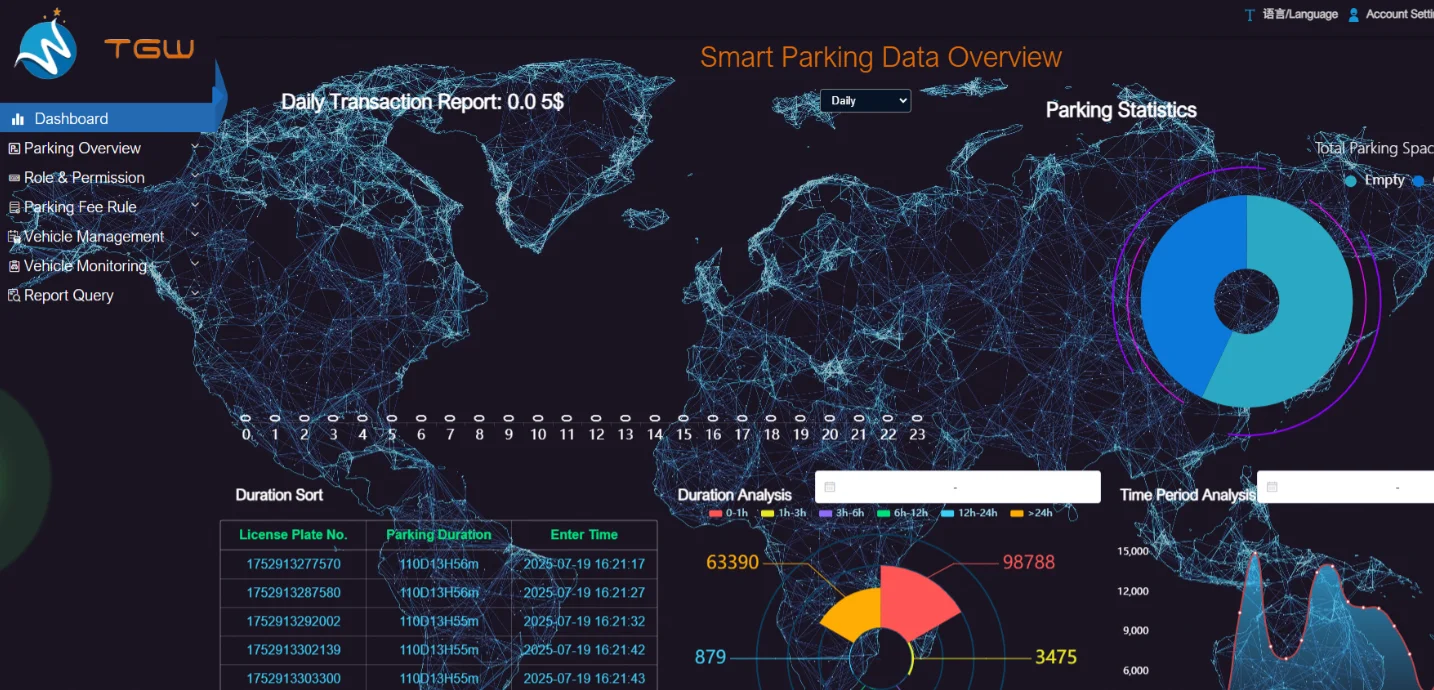
TigerWong нь хангадаг ухаалаг зогсоолын менежмент, ANPR/ALPR системүүд болон хялбар ажиллагаатай програм хангамж. TGW WebBase-L зэрэг платформууд нь машин таних, чиглүүлэх, хянах боломжийг хослуулсан. Менежерүүд зогсоолыг бодит цаг хугацаанд төлөвлөж, хянаж, оновчтой болгож чадна. TigerWong-ийн тусламжтайгаар тааварт системүүд нь орон сууц, арилжааны болон холимог хэрэглээний төслүүдэд тохирно. Жолооч нар цаг хэмнэж, замын хөдөлгөөнийг сайжруулж, байгууламжийн менежерүүд стрессийг бага зохицуулдаг. Дэлгэрэнгүй мэдээллийг TigerWong-ийн вэбсайтаас авна уу.
Тааварт зогсоолын системийн үндсэн хэрэглээний хувилбарууд
Орон сууцны барилгууд зай хэмнэдэг. Худалдааны төвүүд дарааллыг багасгадаг. Оффисууд ажилчид болон зочдыг үр ашигтайгаар удирддаг. Эмнэлэг, зочид буудал, олон нийтийн байгууллагууд илүү хурдан эргэлттэй, аюулгүй үйл ажиллагаа явуулдаг.
Тоглоомын зогсоолын системийг сонгохоос өмнө анхаарах гол хүчин зүйлүүд
Байршил, таазны өндөр, орох хаалганы байрлалыг шалгана уу. Машины хэмжээ, жинг харгалзан үзнэ үү. Аюулгүй байдлын функц, мэдрэгч, засвар үйлчилгээний хүртээмжийг анхаарч үзээрэй. Ухаалаг зогсоолын програм хангамж, төлбөр тооцоо, хяналттай нэгтгэснээр бүрэн системийг бий болгодог.
Тааварт зогсоолын системийн технологийн ирээдүйн чиг хандлага
Илүү ухаалаг хяналт, сэрэмжлүүлэг, хуваарь гаргана гэдэгт итгэлтэй байгаарай. Цахилгаан тээврийн хэрэгслийн цэнэглэлтийн интеграци нэмэгдэж байна. Авсаархан, модульчлагдсан, өөрчлөх боломжтой загварууд нь өөр өөр барилга байгууламжид тохирно. Тааварт зогсоол нь илүү нарийхан орон зай, олон янзын төслүүдэд дасан зохицсоор байх болно.
Дүгнэлт
Тааварт зогсоолын системүүд таны хэрэглээг өөрчилдөг зогсоолын зайЭдгээр нь зай хэмнэж, ачилтыг хурдасгаж, тээврийн хэрэгслийг хамгаалж, операторуудын стрессийг бууруулдаг. Энэ нь зүгээр л механик тоног төхөөрөмж биш юм. Энэ нь хот төлөвлөлтийн практик хэсэг бөгөөд хязгаарлагдмал орон зайд илүү олон машиныг аюулгүй байрлуулах боломжийг олгодог.
Түгээмэл асуултууд
А1: Тааварт зогсоолын систем гэж юу вэ?
А: Зай хэмнэхийн тулд машинуудыг тавцан дээр хөдөлгөдөг хагас автомат систем.
А2: Тааварт тоглоомын зогсоолын систем нь зогсоолын зайг хэрхэн хэмнэдэг вэ?
А: Олон түвшний тавцангууд нь нэг талбайд илүү олон машин багтах боломжийг олгодог.
А3: Орон сууцны барилгад эвлүүлдэг зогсоолын систем тохиромжтой юу?
А: Тийм ээ, энэ нь хязгаарлагдмал зогсоолтой орон сууц болон хорооллуудад тохирно.
А4: Тоглоомын зогсоолын систем нь тээврийн хэрэгслийн аюулгүй байдлыг сайжруулдаг уу?
Х: Тийм ээ, хүний оролцоо багатай, мэдрэгч нь эвдрэлээс урьдчилан сэргийлэхэд тусалдаг.
А5: Худалдан авагчид тоглоомын зогсоолын систем сонгохоосоо өмнө юуг анхаарах ёстой вэ?
А: Загвар, машины төрөл, жингийн хязгаар, аюулгүй байдал, засвар үйлчилгээг шалгана уу.