
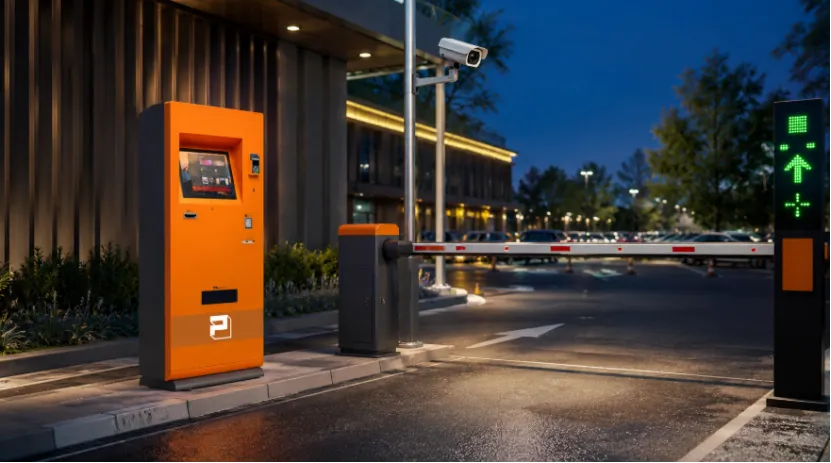
実行中 無人駐車場 一見簡単そうに思える。料金支払い機を設置し、ゲートを取り付け、支払いを済ませたドライバーを退出させるだけ。しかし、実際のプロジェクトではそう簡単にはいかない。信頼性の高い自動料金徴収システムには、入退出管理、支払い処理、車両記録、アクセスルール、そしてバックエンドレポートといった要素が連携して機能する必要がある。どれか一つでも不具合が生じると、出口から行列ができ、顧客はすぐに不満を抱くようになる。
ショッピングモール、オフィスビル、病院、住宅地、ホテル、公共施設などの駐車場において、真に重要なのは人件費だけではありません。料金に関する紛争の減少、より安全な車両引き渡し、より明確な収入記録、そして混雑時のスムーズな駐車の流れも求められます。
無人駐車場にはどのような設備が必要ですか?
無人駐車場は、単一の装置としてではなく、完全な駐車料金支払いシステムとして構築されるべきです。システムは通常、入口レーンから始まり、セルフサービス式の駐車料金支払いキオスクを経て、出口ゲートで終了します。バックエンドの駐車場管理ソフトウェアが、これらすべてを連携させます。
進入レーン設備
入口には特定の機器が必要となる。駐車場へのアクセス用のナンバープレート認識カメラ、車両検知器、LEDディスプレイ、およびバリアゲート式駐車場システムである。
車が停車すると、カメラがナンバープレートを撮影し、進入時刻を記録します。そして、このデータをソフトウェアに送信します。通常、ナンバープレートが一致するとゲートが開きます。
常連利用者はより早く入場できます。彼らはRFID駐車場アクセスシステムまたはVIPカードを利用します。臨時利用者も駐車記録が必要です。この記録は、ナンバープレート認識、駐車券、QRコード、またはカード発行によって作成されます。
このレイアウトなら、誰もがスムーズに利用できます。手動のゲート係員は完全に不要です。
出口車線設備
駐車場出口レーンにも同様のレベルの制御が必要です。出口のナンバープレート認識カメラがナンバープレートを再度読み取り、駐車取引記録を確認し、運転手が料金を支払ったかどうかを確認します。支払いが完了していればゲートが開きます。支払いが完了していない場合は、システムが支払い催促メッセージを表示します。
安全性が何よりも重要です。遮断ゲートは車両検知センサーと連動して作動する必要があります。車両がまだ遮断機のアームの下にいる場合、遮断機は車両に衝突するのではなく跳ね返るように設計されています。この小さな工夫が、特にドライバーがゲートに近づきすぎて停車してしまうような狭い出口では、多くのトラブルを未然に防ぎます。
セルフサービス式駐車料金支払いキオスクはどのように機能するのですか?
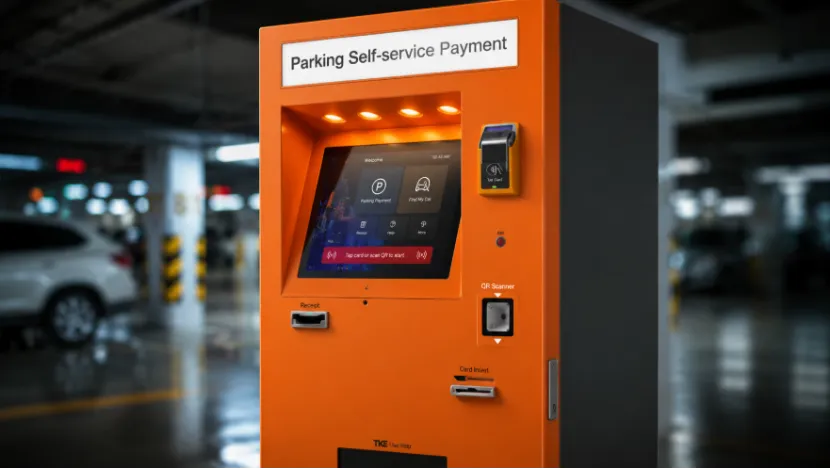
セルフサービスの駐車料金精算機は、ドライバーが最も注目する部分です。操作は簡単であるべきです。なぜなら、すべてのドライバーが説明書を注意深く読むとは限らないからです。急いでいる人、コーヒーを持っている人、後部座席に子供を乗せて出発しようとしている人など、様々な状況が考えられます。画面表示と支払いの流れは、直感的で分かりやすいものでなければなりません。
駐車料金に関するお問い合わせ
優れた駐車料金精算機は、料金を確認するための複数の方法に対応しているべきです。運転者は、ナンバープレート番号を入力したり、QRコードをスキャンしたり、VIPカードを使用したりすることができます。これにより、検索エラーが減り、さまざまなユーザーにとって駐車料金の支払いがよりスムーズになります。
TGW-AP101P駐車料金精算機は、ナンバープレート入力、QRコードスキャン、VIPカード認証に対応しています。また、現金とカードの両方に対応しています。 駐車場支払システム 変化を含むニーズ。すべてのドライバーがモバイル決済を利用していない地域では、それは依然として重要な問題です。
支払い確認と記録
支払い後、システムは駐車料金の支払い記録を保存し、出口レーンを更新する必要があります。また、病院、商業ビル、公共駐車場など、運転手が支払い証明を必要とする場所では、領収書の印刷も役立ちます。
運営者にとって、駐車場の収益報告はさらに重要です。現金を手作業で徴収すると、シフト記録が不明瞭になることがよくあります。バックエンドソフトウェアを使用すれば、駐車料金、入退場データ、運営者の対応、支払い明細などを記録できます。これにより、日々の精算が容易になり、スタッフの時間を無駄にする些細な揉め事を減らすことができます。
駐車場管理ソフトウェアは、どのようにシステムの信頼性を維持できるのか?
ハードウェアは車両データを収集しますが、駐車場の運営方法を決定するのは駐車場管理ソフトウェアです。料金体系、車両登録、月極駐車場の利用、オペレーターの許可、ナンバープレートの修正、監視、記録、レポート作成などを管理します。
料金規定と利用者グループ
一時利用車両、月極駐車利用者、VIP駐車アクセス、および承認済み車両アクセスに対して、それぞれ異なるルールを設定できます。月極利用者は前払い制で、RFIDカードまたは登録済みナンバープレートを使用できます。一時利用利用者は、退場前に時間制で料金を支払います。これは、ドライバーの操作性を複雑にすることなく、システムを柔軟に保つための実用的な方法です。
オフライン操作
A. 信頼性の高い自動駐車料金徴収システム ローカルネットワークやPCがダウンしても、システムが完全に停止してはいけません。オフライン駐車場システムでは、入退場装置を一定期間独立して動作させることができます。データはローカルに保存され、接続が復旧した後にアップロードされます。これは、深夜や週末に稼働する施設にとって非常に重要です。
自動駐車料金徴収システムにTigerWongを選ぶ理由とは?
駐車場システムのサプライヤーを選ぶ際には、決済端末だけでなく、ハードウェア、ソフトウェア、そしてプロジェクト経験のすべてにおいて、適切なサプライヤーを選ぶことが重要です。TigerWongは深センに拠点を置くスマートパーキングおよびアクセス制御ソリューションプロバイダーで、LPR(ナンバープレート認識)駐車場システム、ANPR(自動ナンバープレート認識)システム、RFIDカード駐車場システム、ゲート、駐車場決済システム、駐車場管理ソフトウェアなどにおいて長年の実績を誇ります。同社は世界各国でプロジェクトを展開し、駐車場、コミュニティ、公共施設、イベント会場、商業施設向けのシステム構築を行っています。
TigerWongは、無人駐車場向けに、ナンバープレート認識カメラ、RFID/VIPアクセスシステム、ゲート、決済端末、ソフトウェアを統合した駐車場自動化ソリューションを提供します。これは、多くの障害が個々の機器内部ではなく、機器間で発生するため重要です。駐車場管理システムは、カメラ、ゲート、決済端末と安定した通信を行う必要があります。
インストール計画はどのように立てるべきですか?
駐車料金支払いシステムを設置する前に、駐車場設備チェックリストを作成してください。まず、入場レーンと退出レーンの数を数えます。次に、現金、カード、QRコードによる駐車料金支払い、RFID駐車アクセスシステム、またはナンバープレートによる駐車料金支払いのいずれが必要かを確認します。また、駐車スペースの完全検出、現地語表示、領収書印刷、または駐車料金収入レポートのエクスポートが必要かどうかも確認してください。
信頼性の高いシステムは、必ずしも最も複雑なシステムとは限りません。それは、交通の流れ、ユーザーグループ、管理習慣に合致するシステムです。小規模な住宅駐車場であれば、シンプルなLPRとRFIDで十分かもしれません。商業駐車場であれば、 セルフサービス式駐車料金支払いキオスク そして、強力なバックエンドレポートの重要性がますます高まる。
FAQについて
Q1:無人駐車場は、現場にスタッフがいなくても運営できますか?
A:はい。LPRカメラ、決済端末、ゲート、RFID/VIPアクセス、バックエンドソフトウェアなどと連携可能です。特殊なケースでは、リモートサポートも引き続きご利用いただけます。
Q2:自動料金徴収システムの重要な部分は何ですか?
A:どの部分も単独では不十分です。重要なのは、車両認識、決済、アクセス制御、駐車取引記録の間の連携です。
Q3:LPRはRFIDによる駐車場アクセスよりも優れていますか?
A:LPRはチケットレス入場に便利で、RFIDは固定利用者の安定性に優れています。多くの駐車場では両方が使用されています。
Q4:ネットワーク障害が発生した場合はどうなりますか?
A:優れたオフライン駐車場システムでは、入退場端末が稼働し続け、後で保存されたデータをアップロードすることができます。
Q5:駐車場の収益報告が重要なのはなぜですか?
A: これらは収入、支払い時期、車両記録、およびオペレーターの行動を確認するのに役立ち、手作業による会計ミスを減らします。