
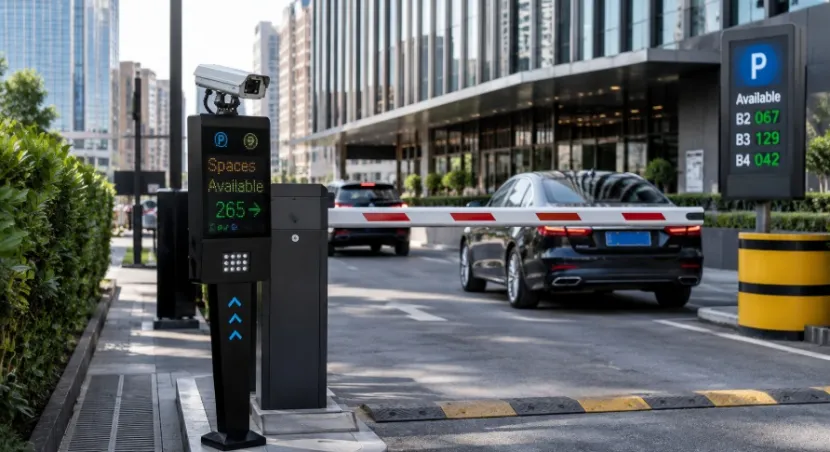
都市部の交通渋滞は、道路だけの問題ではありません。駐車場の入り口、料金所、車線、混雑した出口などでも渋滞が発生します。ドライバーが駐車スペースを求めて何階もぐるぐる回るような状況では、近隣の道路にも影響が及びます。
ショッピングセンター、病院、オフィス、空港、住宅地、公共駐車場などを管理している場合、交通渋滞の緩和がいかに重要かは明らかです。スムーズなアクセス、短い待ち時間、各駐車スペースのより効率的な利用、そして苦情の減少が求められます。 スマートパーキングシステム 車両認識、誘導、決済、交通データなどを活用することで、この広範な問題のうち駐車に関する部分に対処することができる。
1. 交通渋滞を緩和すると、なぜ都市の交通利便性が向上するのか?
市内の交通渋滞を緩和することで、ドライバーはより早く到着できる。そのため、駐車場運営者は地元の道路だけでなく、周辺道路にも目を向ける必要がある。入口の列は容易に駐車場の外まで伸びてしまう。
検索ブロックトラフィック
駐車誘導システムは空いている駐車スペースを見つけ出し、ドライバーをそこへ誘導する。そうでなければ、車は各階をさまよい、無作為に停車し、全く同じ駐車スペースを奪い合うことになる。
ライブスクリーンは、駐車場の混雑を効果的に緩和します。また、駐車スペースの利用率も向上させます。さらに、追加の駐車スペースを建設する必要もありません。あるプロジェクトでは、駐車誘導システムを導入したことで、駐車スペースの循環率が30%以上向上しました。
スムーズな進入と退出で車線の流れを維持
A. ナンバープレート認識式駐車システム ナンバープレートを読み取り、アクセスルールを確認し、入場記録を保存し、ゲートと連携して動作します。出口では、ナンバープレートと駐車および支払いデータを照合します。
ナンバープレート自動認識(ANPR)駐車システムは、駐車券、カード、手動によるナンバープレート入力による遅延を解消します。ラッシュアワー時には、こうした数秒の差が大きな違いを生みます。クアラルンプールのあるプロジェクトでは、19,000台以上の駐車スペースを管理し、混雑時には1分間に約50~60台の車両を処理しています。
2. 交通渋滞の緩和はどのように大気質を改善するのか?
自動車はアイドリング時、低速走行時、そして繰り返し停車する際に、本来であれば排出されるべきガスを放出する。都市交通政策が最も重要だが、駐車場の運営も依然として実用的な役割を担っている。検索時間の短縮と迅速な退出は、目的地付近でのエンジン作動時間を短縮する。
検索回数が減れば、アイドリング時間も減る
A. 駐車場ガイダンスシステム センサー、スペース表示、方向指示スクリーンを用いて、ドライバーを空いている駐車スペースへと誘導します。ドライバーはどの通路に空きがあるかを推測する必要がありません。車両が施設内を走行する距離が短縮され、メインレーンの混雑も緩和されます。これにより、持続可能な都市交通が実現します。
退出前に支払いを済ませると待ち時間が短縮されます
キャッシュレス駐車料金支払いシステムにより、ドライバーは料金所ゲートに到着する前に料金を支払うことができます。セルフサービス端末は、ナンバープレート入力、QRコードスキャン、カード、現金、レシート印刷、支払い後の自動解除などに対応しています。支払い作業が出口レーンから離れた場所で行われるため、1台の支払いに時間がかかってもすべての車が滞ることはありません。
3.交通渋滞の緩和が経済成長を促進する理由とは?
交通渋滞は、従業員、配送業者、来訪者、そしてサービススケジュールに影響を与えます。また、混雑は、人が建物に入る前から顧客満足度を損なう可能性もあります。駐車場の流れをスムーズにすることで、日々の業務運営と施設の価値を守ることができます。
回転率の向上により、より多くの来場者に対応可能
ドライバーが駐車スペースをより早く見つけ、長い行列に並ばずに出発できれば、駐車スペースの利用効率が向上します。同じ駐車場で、一日を通してより多くの車両を収容できるようになります。スマートパーキングシステムは、駐車スペースの予約、車両を混雑の少ないエリアへ誘導、現在の収容状況の表示などが可能です。
自動化により管理上の負担が軽減される
高度な駐車場管理システムは、車両画像、ナンバープレート番号、車線情報、入出庫時間、料金、およびオペレーター記録を保存できます。レポート機能を使えば、時間帯別の交通量を比較し、必要に応じてスタッフを配置できます。
キャッシュレス駐車料金決済と自動駐車アクセス制御により、反復作業が削減されます。スタッフは、通常の車両すべてを処理する代わりに、例外的なケースに対応できるようになります。
4. 交通渋滞の緩和は、都市の土地利用をどのように改善するのか?
道路や駐車場を増設するには多額の費用がかかり、多くの都市部では空き地が不足しています。まず最初に考えるべきは、現在の駐車スペースが適切に活用されているかどうかです。駐車場の交通管理を改善することで、空いているエリアが見つかる一方で、別の階は混雑しているという状況も明らかになります。
リアルタイムの占有状況により、既存スペースをより有効活用できる
各駐車スペースは検出器で監視され、ステータスデータが中央プラットフォームに送信されます。画面には、フロア別またはゾーン別の空き容量が表示されます。これにより、車両が施設全体に分散され、駐車スペースの利用効率が向上します。これは追加の土地ではなく、既に購入済みの土地をより有効活用するためのものです。
交通データはより良い意思決定を支援する
高度な駐車場管理システムは、回転率、ピーク時利用状況、平均滞在時間、占有率などのデータを収集できます。これらの記録を利用して、標識の変更、車線規則の見直し、人員配置の調整、拡張計画などを立てることができます。優れた駐車場交通管理システムは、混雑が発生する場所と時間を明確に示すため、「駐車場はいつも混雑している」という漠然とした表現よりもはるかに役立ちます。
5.なぜ交通渋滞の緩和は都市の安全性を高めるのか?
駐車場が混雑すると、後退、急停車、車線変更、歩行者との衝突が増加します。明確な誘導とアクセス制御によって、交通の流れはより予測しやすくなります。予測可能性は刺激的ではありませんが、遮断機や横断歩道周辺では非常に重要です。
明確なルートはドライバー間の衝突を減らす
案内標識は、ドライバーが交差点に到達する前に誘導します。スペース表示は、直前での急な方向転換を減らします。これらのスマートな駐車ソリューションは、車両が減速しがちなスロープ、エレベーター、料金所付近の駐車場の混雑緩和に役立ちます。
アクセス制御により有用な記録が追加される
自動駐車場アクセス制御システムは、カメラ、ソフトウェア、検出器、およびゲートを連携させます。ナンバープレート認識駐車システムは、車両の画像、ナンバープレート、車線、および時刻を記録します。ホワイトリストとブラックリストを使用して、一般利用者、訪問者、および制限付き利用者のアクセスを制御できます。
ナンバープレート自動認識(ANPR)式駐車システムは、出口を開ける前に料金の支払い状況を確認することもあります。車両検知器と組み合わせると、車がゲートのアームの下に留まっている場合にゲートが反応します。このちょっとした工夫が、多くのトラブルを未然に防ぎます。
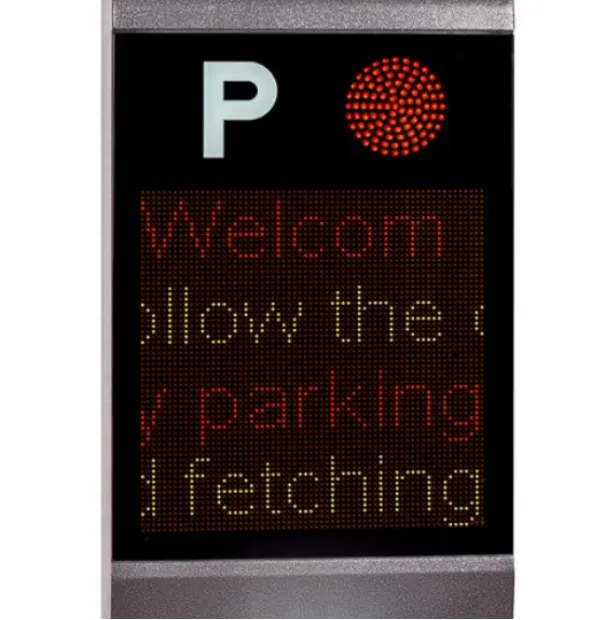
スマートパーキングソリューションは、どのように交通渋滞を緩和できるのか?
都市部の交通渋滞を緩和するには、公共交通機関、道路計画、歩行者ルート、そして適切な駐車政策が必要です。スマートパーキングソリューションは、目的地での不必要な移動を削減することで、こうした取り組みを支援します。
ガイダンス、評価、支払いを連携させる
完全なセットアップには、駐車誘導システム、ナンバープレート認識、バリア、ソフトウェア、および セルフサービス決済システム各部門はデータを共有する必要があります。月額契約車両は認識システムまたはRFIDを使用し、一時契約車両はナンバープレートで入場し、キオスクで料金を支払います。
あなたが持ち帰るべきものは何ですか?
都市部の交通渋滞を緩和することは、移動性、大気質、商業活動、土地利用、そして安全性の向上につながります。貴社の施設における目標はシンプルです。車両の進入、駐車、支払い、そして退出を、停車回数を減らしてスムーズに行えるようにすることです。綿密に計画されたスマートパーキングシステムは、あらゆる交通問題を解決できるわけではありませんが、よくある遅延を解消し、持続可能な都市交通を支えることができます。
TigerWongが都市部の駐車場プロジェクトにとって重要な理由とは?
タイガーウォング は、2001年に設立された深センを拠点とするサプライヤーで、インテリジェントな駐車場管理とアクセス制御に特化しています。その製品群は、ANPRおよびALPR駐車場、駐車誘導、決済システム、RFID、UHFおよびBluetoothアクセス、チケットシステム、ゲート、ソフトウェア、歩行者用ゲートなど多岐にわたります。同社は、25年以上の駐車場システム経験、4,000平方メートルの工場、約120名の従業員、10,000社を超える顧客、そして150カ国以上でのプロジェクト実績を誇ります。
購入者にとってのメリットは、システム全体の網羅性です。カメラ、バリア、決済機器、誘導装置、管理ソフトウェアなどを、個別のハードウェアとしてではなく、一つのワークフローとして計画できます。また、カスタマイズ、多言語認識、プロジェクト統合、車両や決済ルールの個別対応にも対応しています。
FAQについて
Q1:駐車場の混雑の主な原因は何ですか?
A:一般的な原因としては、入場時のチェックの遅さ、駐車スペースを探すドライバー、標識の不備、出口料金の支払い、車線計画の不備などが挙げられます。
Q2:駐車誘導システムは駐車場外の交通量を減らすことができますか?
A:これにより、店内での行列や、近隣の道路にまで溢れ出す可能性のある検索トラフィックを削減できます。
Q3:ナンバープレート自動認識(ANPR)式駐車システムは、一時的な車両に適していますか?
A:はい。ナンバープレートによる入場記録、料金計算、支払い確認、そして出口での車両解放が可能です。
Q4:駐車場管理ソフトウェアはどのようなデータを記録できますか?
A:ナンバープレート、画像、車線、時間、料金、支払い状況、乗車率、交通状況などを記録する可能性があります。
Q5:最適なスマートパーキングシステムはどのように選べばよいですか?
A:まずは、交通量、ユーザーの種類、レーンのレイアウト、支払い方法、レポート、ネットワーク状況、拡張ニーズから始めましょう。