
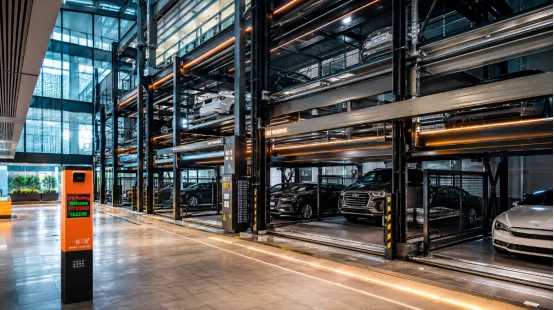
Le normative sui parcheggi meccanici non sono un unico manuale di regole universale. Il tuo progetto potrebbe richiedere norme sui macchinari, approvazione strutturale, verifica antincendio, controlli elettrici, disposizioni sull'accessibilità e permessi locali. La combinazione esatta dipende dal tipo di sistema, dall'uso dell'edificio, dalle dimensioni del veicolo e dalla città. standard di sicurezza dei sistemi di parcheggio meccanico Iniziate prima di ordinare l'attrezzatura, non dopo l'installazione.
Queste normative sui parcheggi meccanici tutelano gli utenti, i veicoli, i tecnici e l'edificio stesso. Lo stesso vale per le normative sui sistemi di parcheggio automatizzati e per la conformità dei parcheggi meccanici. Un sistema di gestione dei parcheggi ben pianificato deve essere adatto all'edificio, ai veicoli e al processo di autorizzazione.
Quali regole si applicano ai sistemi di parcheggio meccanici?
Un sistema di impilamento a due livelli presenta rischi diversi rispetto a un sistema a incastro, una torre rotante, un elevatore a fossa o un garage automatizzato. È necessario innanzitutto definire chi può accedere all'area operativa, come si muove il carrello e se l'attrezzatura è collegata in modo permanente alla struttura.
Classificazione di attrezzature ed edifici
In pratica, le normative relative agli ascensori per parcheggi solitamente riguardano i carichi nominali, i dispositivi di bloccaggio, la prevenzione delle cadute, i comandi e la manutenzione sicura. Per quanto riguarda l'area stessa, i regolamenti edilizi per i parcheggi meccanizzati disciplinano le fondamenta, la compartimentazione antincendio, l'altezza libera, il drenaggio, la ventilazione e l'accesso di emergenza. In alcune giurisdizioni, un regolamento per i parcheggi multipiano con accesso meccanico prevede norme aggiuntive per i sistemi chiusi in cui l'accesso al personale è vietato.
L'approvazione locale viene prima di tutto
Poiché le normative relative ai parcheggi meccanici variano da città a città, è necessario verificare le edizioni del codice adottate con l'ufficio edilizia, i vigili del fuoco, l'ispettore elettrico e qualsiasi ente autorizzato per le attrezzature di sollevamento. Il rispetto delle normative sui parcheggi meccanici richiede più di un certificato di fabbrica. La documentazione del prodotto può supportare l'approvazione, ma non sostituisce il permesso di costruzione. Questa piccola distinzione è la causa di un numero sorprendente di riprogettazioni tardive.
Sicurezza dei macchinari e controllo del carico
Il problema principale è semplice: la piattaforma deve sostenere il veicolo corretto, muoversi solo quando le condizioni sono sicure e fermarsi senza far cadere o intrappolare nulla. Questo richiede ben più di un motore potente.
Carichi, serrature e sensori
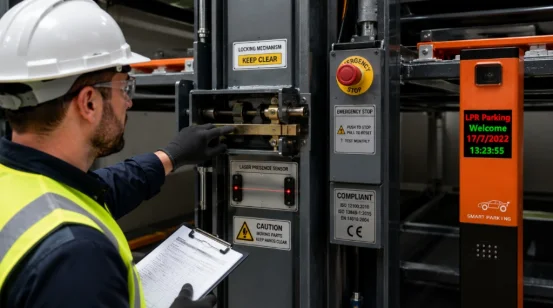
La capacità di carico meccanica dichiarata per i parcheggi deve tenere conto del peso del veicolo, del carico sugli assi, del carico non uniforme, delle forze frenanti e dei movimenti ripetuti. Blocchi meccanici, dispositivi anticaduta, fermaruote, finecorsa, interblocchi delle portiere e sensori di presenza sono comuni dispositivi di sicurezza per i parcheggi meccanici. Anche il rilevamento di oggetti fuori misura è importante. Un box da tetto o un bagagliaio aperto possono trasformare una normale manovra di parcheggio in un incidente costoso.
Comportamento in caso di emergenza e guasto
Un sistema meccanico di arresto di emergenza per parcheggi dovrebbe arrestare i movimenti pericolosi mantenendo la piattaforma supportata. I comandi dovrebbero impedire il riavvio automatico dopo un'interruzione di corrente, segnalare i guasti e consentire al personale addestrato di recuperare il veicolo in sicurezza.
I controllori industriali possono includere protezioni da cortocircuito, sovratensione e sovraccarico, oltre a test per elettricità statica, fulmini, sovratensioni e interferenze impulsive.
Norme di sicurezza comuni
EN 14010 requisiti di parcheggio meccanico Questi standard sono spesso citati nei progetti europei per le attrezzature di parcheggio per veicoli a motore. La norma GB 17907, relativa ai requisiti per i parcheggi meccanici, fornisce un quadro generale di sicurezza in Cina. Nessuna delle due espressioni deve essere considerata una scorciatoia valida in tutto il mondo. La legislazione locale e la configurazione finale dell'attrezzatura determinano comunque cosa si applica.
Norme edilizie, antincendio, elettriche e di accessibilità
La macchina è la parte visibile, ma gran parte del rischio è rappresentato dall'edificio circostante. Il progettista deve coordinare la soletta, la fossa, i cavi, gli irrigatori, il sistema di controllo del fumo, il percorso pedonale e lo spazio per la manutenzione come un unico progetto.
Protezione strutturale e antincendio
I calcoli strutturali dovrebbero includere il carico permanente delle apparecchiature, il carico variabile dei veicoli, le vibrazioni, le forze di arresto, gli ancoraggi, l'azione sismica e il vento esterno, ove pertinente. Un piano completo di sicurezza antincendio per i parcheggi automatizzati può richiedere l'installazione di sprinkler tra i livelli dei veicoli, sistemi di rilevamento, rimozione del fumo, disattivazione dell'allarme antincendio, isolamento manuale e accesso per i vigili del fuoco. La ricarica dei veicoli elettrici richiede una verifica elettrica e antincendio separata.
Sicurezza elettrica e di controllo
Una buona sicurezza elettrica per i parcheggi meccanici include la messa a terra, la protezione del motore, il corretto instradamento dei cavi, la protezione del quadro elettrico, l'isolamento di emergenza e una logica di controllo affidabile. Un guasto alla comunicazione non deve provocare alcun movimento.
Per i parcheggi misti, un controller wireless può raccogliere dati dagli spazi meccanici e da quelli ordinari tramite un bus industriale. Un sistema di guida al parcheggio collegato può mostrare i posti liberi, ma non deve mai bypassare i circuiti di sicurezza indipendenti delle macchine.
Uso accessibile
I requisiti di accessibilità meccanica dei parcheggi possono influire sulla numerazione dei posti auto accessibili, sulle aree di trasferimento, sull'altezza di controllo, sulla segnaletica, sui percorsi liberi e sulle zone di carico/scarico passeggeri. Se un utente deve scendere dall'auto prima di parcheggiarla, la sala di trasferimento deve disporre di un percorso pianeggiante e antiscivolo con spazio di manovra sufficiente per la sedia a rotelle.
Installazione, ispezione e manutenzione
Regolamento per il parcheggio meccanico Non bisogna fermarsi alla progettazione delle apparecchiature. La conformità può venire meno anche quando la progettazione delle apparecchiature è corretta. Ancoraggi inadeguati, cablaggi errati, sensori bloccati o interventi di manutenzione superficiali possono vanificare un buon lavoro di progettazione, pertanto il processo di consegna merita la massima attenzione.
Installazione e messa in servizio
I requisiti per l'installazione di un parcheggio meccanico devono includere disegni approvati, resistenza delle fondamenta, drenaggio della fossa, ancoraggi, allineamento, alimentazione elettrica, illuminazione, limiti ambientali e accesso per la manutenzione. Le prove in loco devono verificare il carico massimo, i dispositivi di interblocco, i freni, le serrature, gli arresti di emergenza, l'interruzione di corrente, gli allarmi e il recupero manuale.
Ispezione e manutenzione
I requisiti per l'ispezione del sistema di parcheggio normalmente includono l'accettazione iniziale, i controlli di sicurezza di routine e i test successivi a riparazioni importanti o modifiche del software. Gli standard scritti per la manutenzione meccanica dei parcheggi dovrebbero definire la lubrificazione, i controlli di catene o cavi, l'ispezione idraulica, la calibrazione dei sensori, le prove dei freni, la verifica della corrosione e la tenuta dei registri. Solo il personale di manutenzione qualificato deve azionare i comandi di servizio. L'alimentazione deve essere scollegata prima di sostituire i dispositivi difettosi.
Il tuo controllo pre-acquisto
Prima di firmare l'ordine, è necessario utilizzare una checklist di conformità per i sistemi di parcheggio meccanici, poiché le normative in materia influiscono sia sulle apparecchiature che sui lavori in loco. Verificare il tipo di sistema, l'ingombro dei veicoli, la capacità di carico del parcheggio meccanico, le normative locali, la progettazione antincendio, l'accessibilità, i certificati, i rapporti di prova, i disegni, i manuali, i pezzi di ricambio e l'assistenza post-vendita. Questo è l'aspetto pratico della conformità dei sistemi di parcheggio meccanici.
In che modo differiscono le normative regionali?
Anche le normative relative ai parcheggi meccanici modificano la documentazione, i test e le procedure di approvazione. L'approccio più sicuro è quello di utilizzare gli standard internazionali come riferimenti di progettazione, per poi verificare ogni modifica locale.
Europa, Stati Uniti e Cina
I progetti europei possono richiedere la marcatura CE per i sistemi di parcheggio meccanici ai sensi della legislazione applicabile in materia di macchinari, oltre all'approvazione locale in materia di edilizia e antincendio. Negli Stati Uniti, le normative adottate in materia di edilizia, antincendio, impianti elettrici, accessibilità, protezione dei macchinari e blocco di sicurezza operano generalmente in sinergia. La Cina applica comunemente gli standard nazionali di sicurezza e ingegneria insieme ai requisiti locali in materia di costruzione, antincendio e ispezione.
Scegliere un fornitore in grado di garantire la conformità
Un fornitore non può approvare il vostro edificio, ma può semplificare notevolmente il processo di revisione fornendo disegni chiari, verbali di collaudo, dettagli sull'integrazione e un supporto tecnico concreto.
TigerWong nei progetti incentrati sulla conformità
TigerWong Fornisce soluzioni per l'accesso ai parcheggi, il pagamento, il riconoscimento delle targhe, RFID, UHF, barriere, software e sistemi di guida per progetti in oltre 150 paesi. La sua gamma di prodotti è utile quando un'officina meccanica necessita anche di identificazione dei veicoli, pagamento, guida allo spazio o gestione mista di posti auto ordinari e meccanici. Una documentazione chiara aiuta inoltre il team a conformarsi alle normative sui parcheggi meccanici durante le fasi di revisione.
Il supporto disponibile comprende la progettazione di sistemi personalizzati, i test in fabbrica, l'assistenza remota, il supporto tecnico online e la consulenza in loco. Questo è importante anche dopo la messa in servizio, perché un sistema sicuro necessita comunque di impostazioni corrette, backup, manutenzione da parte di personale qualificato e controlli rapidi dei guasti.
Domande frequenti
D1: Quali sono le principali normative relative ai parcheggi meccanici?
A: Le normative sui parcheggi meccanici di solito riguardano la sicurezza dei macchinari, la progettazione strutturale, la protezione antincendio, gli impianti elettrici, l'accessibilità, l'installazione, l'ispezione e la manutenzione.
D2: Un singolo certificato rende un sistema conforme ovunque?
R: No. La documentazione del prodotto supporta l'approvazione, ma restano comunque in vigore le normative locali in materia di edilizia, sicurezza antincendio, impianti elettrici e ambiente di lavoro.
D3: Con quale frequenza deve essere ispezionato il sistema?
A: Attenersi alle leggi locali, al programma del produttore, ai livelli di utilizzo e a qualsiasi condizione di ispezione da parte di terzi.
D4: I parcheggi meccanici possono includere la ricarica dei veicoli elettrici?
A: Sì, ma la configurazione della stazione di ricarica richiede una valutazione separata per quanto riguarda l'impianto elettrico, la gestione dei cavi, la ventilazione e la resistenza al fuoco.
D5: Cosa dovresti chiedere prima dell'acquisto?
A: Richiedete disegni, dati di carico, logica di sicurezza, certificati, rapporti di prova, istruzioni di installazione, piani di manutenzione e una chiara procedura di assistenza.