
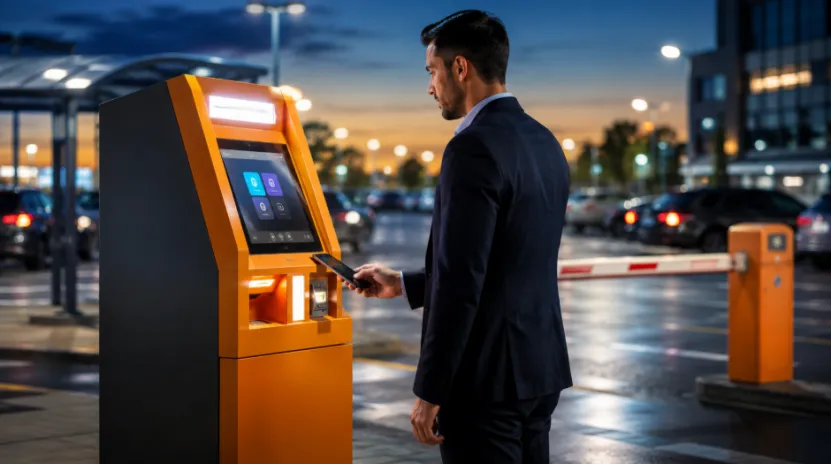
Choisir le meilleur système de paiement pour votre parking ne se limite pas à un simple choix de matériel. Cela influe sur les files d'attente, le personnel, la gestion des espèces, les rapports et les derniers instants de chaque conducteur. Un bon système de paiement pour parking commercial doit être adapté à vos voies, aux habitudes de paiement locales et à vos projets de développement.
TigerWong Spécialisée dans la gestion intelligente des parkings depuis 2001, TigerWong maîtrise les systèmes de lecture automatique de plaques d'immatriculation (LAPI), de billetterie, RFID, de paiement, de barrières et de guidage. Forte de plus de 25 ans d'expérience, son expertise s'étend sur plus de 155 pays et compte plus de 10 000 clients. Son atout majeur ? Une approche pragmatique : TigerWong conçoit votre projet comme un système de gestion de parking intégré et intégré, et non comme un simple dispositif isolé.
1. Options de paiement et habitudes des acheteurs locaux
Chaque automobiliste peut-il payer sans appeler un préposé ? Comparez les différents modes de paiement : espèces, carte bancaire, code QR et carte de membre. Un système de paiement mixte (espèces et carte) convient à une clientèle variée, tandis qu’un système hybride peut réduire les paiements non effectués. Si vous avez besoin d’une borne de paiement acceptant les espèces, vérifiez également la capacité de rendu de monnaie et les modalités de retrait.
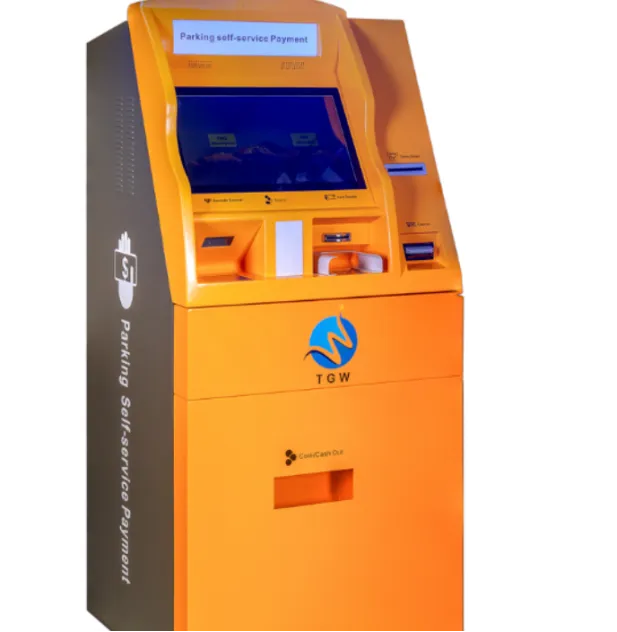
Le TGW-ASPMBC système de paiement de stationnement Accepte les espèces et les cartes, rend la monnaie et imprime un reçu.
2. Compatibilité entre la lecture automatique des plaques d'immatriculation (ANPR) et le flux de travail des billets
Un système de paiement de stationnement par lecture automatique des plaques d'immatriculation (LAPI) doit relier l'enregistrement des entrées, le calcul du tarif, le statut du paiement et la validation de la sortie. Dans un système de paiement par plaque d'immatriculation, le conducteur saisit son numéro. Un système de paiement sans ticket permet d'éviter l'utilisation de papier, mais votre site peut tout de même nécessiter des tickets QR ou des cartes RFID. Cette borne de paiement de stationnement par plaque d'immatriculation prend en charge les trois méthodes de recherche.
Lors de la planification du flux de travail complet, veuillez prendre en compte les systèmes de stationnement ANPR et ALPR.
3. Fonctionnement sans surveillance et gestion des exceptions
Un système de paiement de stationnement automatisé doit guider l'utilisateur, calculer le tarif, encaisser le paiement, imprimer le reçu et mettre à jour la voie de sortie. Il est essentiel de tester les cartes refusées, les codes illisibles, les plaques d'immatriculation manquantes, le papier d'imprimante épuisé et les pertes de réseau. Une panne d'imprimante à 18h10 peut sembler anodine jusqu'à ce que la file d'attente atteigne la rampe d'accès.
Ce dispositif assure un service 24h/24 en tant que système automatisé de paiement de stationnement et borne de paiement de stationnement en libre-service.
4. Intégration avec les équipements existants
Une bonne intégration du système de paiement de stationnement protège votre équipement existant. Renseignez-vous sur la compatibilité de l'appareil avec les caméras, les distributeurs de tickets, les lecteurs RFID, les logiciels et le système de paiement par barrière de stationnement. L'appareil est compatible TCP/IP, dispose d'un réseau RJ45 100M et d'interfaces LVDS, EDP et RJ45.
Pour une intégration optimale des systèmes de stationnement commerciaux, vérifiez la portée de l'API, les responsabilités logicielles et le processus de test par un tiers avant de passer commande. Ces détails sont essentiels pour l'intégration des systèmes de lecture automatique de plaques d'immatriculation (LAPI) et des horodateurs sur plusieurs voies d'entrée et de sortie.
5. Rapports et contrôle des recettes
Un système de gestion des recettes de stationnement doit afficher le détail des transactions, et pas seulement le montant total perçu. Il doit inclure des rapports sur les transactions, la durée de stationnement, les modes de paiement, les transactions échouées et des rapports exportables.
Ces données facilitent le rapprochement et le contrôle des recettes de stationnement selon les équipes ou les emplacements. L'appareil conserve l'historique des transactions et la durée de stationnement, et permet l'exportation de rapports. Ce système de paiement pour parkings commerciaux offre ainsi une valeur ajoutée par rapport à un simple terminal de perception.
6. Fiabilité du matériel et conditions du site
Un horodateur de parking fiable doit répondre à des spécifications adaptées au site. Sa température de fonctionnement nominale est de -25 °C à 70 °C, avec une humidité relative jusqu'à 85 %. L'armoire est en acier laminé à froid d'une épaisseur supérieure à 1,5 mm, et le système de contrôle dispose d'une autonomie d'environ 30 minutes grâce à un système d'alimentation sans coupure (UPS).
Pour un borne de paiement de stationnement extérieurVeuillez demander une confirmation de l'étanchéité et des performances climatiques. Ne présumez pas qu'une armoire lourde offre automatiquement la protection nécessaire contre la pluie, la poussière, l'air salin ou la lumière directe du soleil.
7. Rapidité des transactions et expérience utilisateur
Un système de paiement de stationnement rapide est plus simple. L'écran tactile capacitif de 18,5 pouces prend en charge la vérification des plaques d'immatriculation, les codes QR et les paiements par carte. Cela améliore l'expérience utilisateur des bornes de stationnement, notamment pour les visiteurs occasionnels qui ne connaissent pas forcément le processus de paiement.
Une clarté borne de paiement de stationnement à écran tactile Cela peut réduire les files d'attente aux paiements de stationnement, mais il est essentiel de tester l'intégralité du processus, de la recherche du véhicule à l'ouverture de la barrière. Une réponse lente de la base de données peut annuler une transaction par carte pourtant rapide.
8. Paiement et sécurité des données
Un système de paiement de stationnement sécurisé doit protéger les enregistrements de paiement, les données des véhicules, l'accès administrateur et les compartiments de caisse. Renseignez-vous sur la sécurité des données de paiement, les autorisations d'accès, les sauvegardes, la certification locale des paiements et l'historique des transactions.
Il convient également de vérifier la conformité du système de paiement des parkings commerciaux avec la réglementation du pays où il sera déployé. Exigez les certificats correspondants au module de carte sélectionné plutôt qu'une simple déclaration de conformité.
9. Personnalisation et croissance
Un système de paiement de stationnement personnalisable s'avère utile lorsque la langue, la devise, le design des horodateurs ou les habitudes de paiement varient. La base de connaissances indique que les modes de paiement, le logiciel, l'apparence et la langue sont personnalisables.
Un système de stationnement commercial évolutif doit pouvoir prendre en charge l'ajout de machines, de voies ou d'emplacements sans nécessiter une refonte complète. Pour une borne de paiement de stationnement OEM ou un kiosque de paiement multilingue, veuillez préciser dans le devis le périmètre exact, le délai de livraison et les modifications logicielles.
10. Assistance et coût total
Le coût initial du système de paiement de stationnement ne représente qu'une seule ligne budgétaire. Il comprend l'installation, le logiciel, l'intégration, les frais de transaction, les consommables, la gestion des espèces, les interruptions de service et la maintenance du système.
Renseignez-vous sur les pièces détachées, les mises à jour logicielles, l'assistance à distance et la garantie de l'horodateur. Le coût total de possession de votre système de stationnement doit couvrir au moins cinq ans. Un appareil bon marché devient rapidement onéreux si le remplacement d'une petite pièce prend des semaines.
Comment choisir le meilleur système de paiement de stationnement ?
Le système de paiement de stationnement optimal Il est important de choisir un fournisseur de horodateurs adapté à votre volume de trafic, à la nature des paiements, aux modes d'accès, à vos besoins en matière de rapports et à votre capacité de service. Avant de sélectionner un tel fournisseur, documentez vos voies de stationnement, votre équipement existant, les heures de pointe et la réglementation locale en vigueur.
Demandez ensuite un devis pour un système de paiement de parking adapté à votre projet, et non un tarif standard. Une démonstration en direct du système est également utile. Elle vous permet de tester les fonctionnalités courantes et les exceptions qui surviennent souvent après l'installation.
FAQ (questions fréquentes)
Q1 : Quel est le meilleur système de paiement pour un parking commercial ?
A : C'est le système qui correspond à vos habitudes de paiement, à votre trafic, à votre équipement existant, à vos besoins en matière de rapports et à votre plan de service à long terme. L'unité la moins chère est rarement le meilleur choix une fois les coûts d'intégration et de maintenance pris en compte.
Q2 : Un système de paiement de stationnement commercial peut-il fonctionner avec la lecture automatique des plaques d'immatriculation (LAPI) ?
R : Oui. Le système doit recevoir les données de la plaque d'immatriculation et de l'entrée, calculer le tarif, enregistrer le paiement et transmettre l'état de la sortie au poste de contrôle. La compatibilité doit être vérifiée avant toute commande.
Q3 : Une borne de paiement de stationnement doit-elle accepter les espèces ?
A : Cela dépend de la clientèle. Dans les zones où les paiements en espèces sont privilégiés, une borne de paiement de parking commercial doit accepter les billets et les pièces. En revanche, les parkings réservés aux conducteurs enregistrés privilégient les cartes et les applications mobiles.
Q4 : De combien de terminaux de paiement un site a-t-il besoin ?
A : Prenez votre décision en fonction des heures de pointe. Tenez compte de la rapidité des transactions, de la longueur des files d'attente et de la capacité de secours. Un vendredi soir chargé constitue une référence plus pertinente que de simples moyennes journalières.
Q5 : Que devez-vous vérifier avant d’acheter ?
A : Examinez les modes de paiement. Vérifiez la compatibilité avec la lecture automatique des plaques d'immatriculation (LAPI) et la billetterie. Contrôlez les capacités de fonctionnement sans surveillance. Enfin, évaluez les fonctionnalités de reporting, la fiabilité, la sécurité, la personnalisation, le support technique et le coût total de possession.