
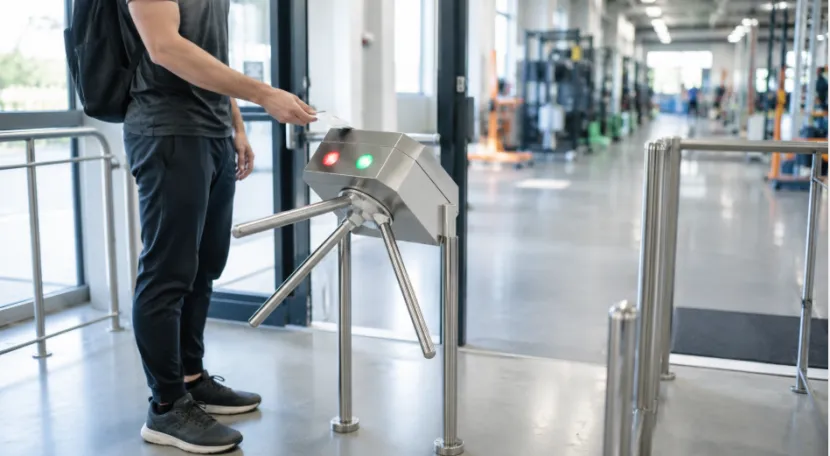
تپائی ٹرن اسٹائل بمقابلہ سوئنگ گیٹ کے اختیارات کا موازنہ کرتے وقت، ماضی کی شکل دیکھیں۔ سیکورٹی، چوٹی ٹریفک، فرش کی جگہ، رسائی، اور صارف کے رویے کو زیادہ اہمیت دیتا ہے۔ اسی کا اطلاق تپائی ٹرن اسٹائل بمقابلہ فلیپ رکاوٹ کے فیصلے پر ہوتا ہے۔ یہ عام ٹرن اسٹائل گیٹس کی اقسام اسی طرح کے رسائی کنٹرول کے کام انجام دیتے ہیں، لیکن وہ مختلف اخراجات اور صارف کے تجربات پیدا کرتے ہیں۔
TigerWong نے 2001 سے پارکنگ اور رسائی کنٹرول میں کام کیا ہے اور اسے ٹرن اسٹائل مینوفیکچرنگ کا 15 سال سے زیادہ کا تجربہ ہے۔ اس کے علم کی بنیاد میں 4,000 مربع میٹر کی فیکٹری، 120 ملازمین، 10,000 سے زیادہ صارفین، اور 155 سے زیادہ ممالک میں انٹیگریٹرز اور تقسیم کاروں کی خدمت کرنے والے پروجیکٹس کی فہرست ہے۔ پروڈکٹ رینج میں تپائی، جھولے، فلیپ، رفتار، اور پوری اونچائی والے گیٹس کے علاوہ قارئین، سافٹ ویئر، حسب ضرورت، انسٹالیشن گائیڈنس، اور سسٹم انٹیگریشن شامل ہیں۔ یہ وسیع تر قابلیت اہمیت رکھتی ہے کیونکہ پیدل چلنے والوں کے رسائی کنٹرول گیٹ کو ایک الگ باکس کے طور پر بیٹھنے کے بجائے مکمل رسائی کنٹرول گیٹ سسٹم کے ساتھ فٹ ہونا چاہیے۔
آپ کو کس قسم کے ٹرن اسٹائل گیٹ کا انتخاب کرنا چاہئے؟
جب بجٹ، کمپیکٹ انسٹالیشن، اور ایک شخص کا راستہ پہلے آتا ہے تو تپائی ٹرن اسٹائل گیٹ کا انتخاب کریں۔ جب وہیل چیئرز، سامان، گاڑیاں، یا ٹہلنے والے داخلی دروازے کا استعمال کرتے ہیں تو وسیع لین والے جھولے والے گیٹ کا انتخاب کریں۔ ایک فلیپ بیریئر گیٹ تیز رفتار، جدید انڈور لین کے مطابق ہے۔ صحیح تجارتی ٹرن اسٹائل گیٹ سائٹ پر منحصر ہے۔
وسیع تر ٹرن اسٹائل گیٹ رینج میں پوری اونچائی والی مصنوعات بھی شامل ہیں۔ بغیر پائلٹ پریمیٹر کنٹرول یا چڑھنے کی مضبوط مزاحمت کے لیے، کم اونچائی والا گیٹ کافی نہیں ہو سکتا۔
ٹرن اسٹائل گیٹس کی اہم اقسام کیا ہیں؟
ہر ڈیزائن ایک مختلف جسمانی راستہ بناتا ہے۔ قیمت کا موازنہ کرنے سے پہلے چیک کریں کہ لوگ لین سے کیسے گزریں گے۔ وہیل چیئر استعمال کرنے والے ہسپتال کے مہمان سے بیگ کے ساتھ ایک جم رکن کی مختلف ضروریات ہوتی ہیں۔
تپائی ٹرن اسٹائل گیٹ
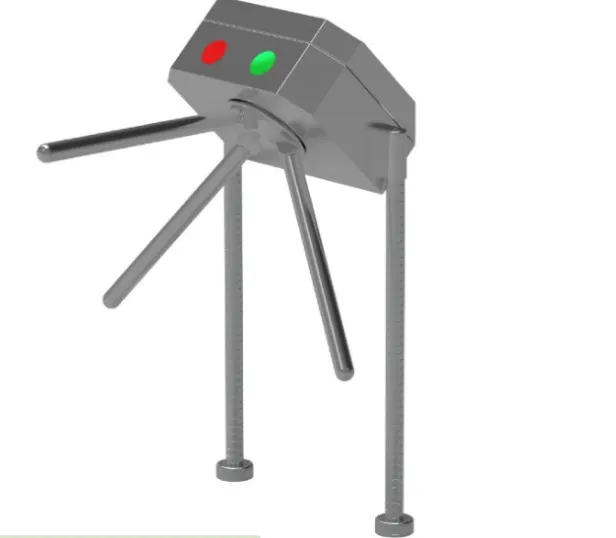
ایک تپائی ٹرن اسٹائل گیٹ تین بازو استعمال کرتا ہے جو ایک شخص کے گزرنے کے لیے 120 ڈگری گھومتا ہے۔ یہ دو طرفہ ٹرن اسٹائل کے طور پر کام کرسکتا ہے، جب کہ ایمرجنسی ڈراپ آرم ٹرن اسٹائل بازو کو نکالنے کے لیے نیچے کرتا ہے۔
ساخت مانوس، عملی اور عام طور پر زیادہ سستی ہے۔ عام سائٹس میں فیکٹریاں، اسکول، جم، اسٹیشن، ٹکٹ والے پرکشش مقامات، اور ایونٹ کے داخلی راستے شامل ہیں۔ نالج بیس سلوشنز میں کلائی بینڈ انٹری، QR ٹکٹ چیکنگ، پورٹیبل ایونٹ لین، اور تھرڈ پارٹی ٹکٹنگ انٹیگریشن بھی شامل ہے۔
سوئنگ گیٹ ٹرن اسٹائل
ایک سوئنگ گیٹ ٹرن اسٹائل ایک یا دو پینل کھولتا ہے تاکہ واضح راستہ بن سکے۔ یہ عام طور پر سامان اور ٹہلنے والوں کے لیے بہتر وہیل چیئر قابل رسائی ٹرن اسٹائل اور ٹرن اسٹائل ہے۔
نالج بیس ماڈلز میں 600 ملی میٹر معیاری لین اور 800 سے 900 ملی میٹر چوڑی لینز شامل ہیں۔ وہ سمت، حفاظت، بریک ان کا پتہ لگانے، اور ٹیلگیٹنگ الارم کے لیے سینسر استعمال کرتے ہیں۔ پینل ہنگامی حالت میں بھی کھل سکتے ہیں۔
فلیپ بیریئر گیٹ
ایک پیچھے ہٹنے والا فلیپ بیریئر اجازت کے بعد اپنے پینلز کو کابینہ میں کھینچتا ہے۔ یہ خودکار فلیپ بیریئر دفاتر، ہوٹلوں، بینکوں، عجائب گھروں اور ٹرانسپورٹ سائٹس کے لیے ایک تیز، صاف راستہ فراہم کرتا ہے۔
عام نالج بیس ماڈل 550 سے 600 ملی میٹر کے راستے فراہم کرتے ہیں اور 30 سے 40 افراد کو فی منٹ پروسیس کرتے ہیں، اسناد کی توثیق کو چھوڑ کر۔ وہ کارڈز، بائیو میٹرک ریڈرز، بارکوڈز، کیو آر کوڈز اور فیس ٹرمینلز کے ساتھ جڑ سکتے ہیں۔
سیکیورٹی، ٹریفک اور اسپیس کا موازنہ کیسے ہوتا ہے؟
یہ ٹرن اسٹائل گیٹ کا موازنہ شناختی چیک کو جسمانی مزاحمت سے الگ کرتا ہے۔ پہلے مطلوبہ ٹرن اسٹائل سیکیورٹی لیول سیٹ کریں۔ تپائی ٹرن اسٹائل ایکسیس کنٹرول ایک واضح ایک شخص کی ترتیب بناتا ہے، لیکن کم بازو پھر بھی چڑھے جا سکتے ہیں۔ اینٹی ٹیلگیٹنگ ٹرن اسٹائل مکینیکل علیحدگی، سینسر یا دونوں کا استعمال کر سکتا ہے۔ زیادہ خطرہ والی جگہوں کو اب بھی گارڈز، دیواروں یا پوری اونچائی والے گیٹ کی ضرورت پڑ سکتی ہے۔
شائع شدہ ٹرن اسٹائل تھرو پٹ صرف ایک نقطہ آغاز ہے۔ حقیقی ٹرن اسٹائل کی صلاحیت فی منٹ میں کارڈ ریڈنگ، چہرے کی جانچ، ہچکچاتے مہمان اور بیگ شامل ہیں۔ ہائی ٹریفک ٹرن اسٹائل کو فوری ریڈر کے ساتھ ساتھ تیز رسائی کنٹرول گیٹ کی ضرورت ہوتی ہے۔ 30 سے 40 افراد فی منٹ جیسے اعداد و شمار اکثر اسناد کی توثیق کو خارج کر دیتے ہیں۔
ایک کمپیکٹ تپائی ٹرن اسٹائل ایک مفید جگہ بچانے والا ٹرن اسٹائل ہے، لیکن مکمل ٹرن اسٹائل گیٹ کے طول و عرض، ریڈر اسپیس، سروس تک رسائی، اور صاف لین کی چوڑائی کا موازنہ کریں۔ ایک قابل رسائی ٹرن اسٹائل گیٹ کے لیے، جھولتے پینلز کے ساتھ ایک وسیع پیسیج ٹرن اسٹائل عام طور پر عملی انتخاب ہوتا ہے۔
ایک مخلوط ترتیب اکثر بہترین کام کرتی ہے: زیادہ تر صارفین کے لیے معیاری تپائی یا فلیپ لین، نیز ایک وسیع سوئنگ لین۔ گلیمرس نہیں، شاید، لیکن یہ اصل مسئلہ حل کرتا ہے۔
کون سا گیٹ آپ کے بجٹ اور صارف کے تجربے کے مطابق ہے؟
ٹرن اسٹائل صارف کا تجربہ سامعین کے ساتھ بدل جاتا ہے۔ ایک تپائی صارف سے بازو دبانے کو کہتی ہے۔ کم رابطہ ٹرن اسٹائل خود بخود کھل جاتا ہے اور لابی میں زیادہ قدرتی محسوس ہوتا ہے۔ ایک جدید دفتری ٹرن اسٹائل جھولے یا فلیپ پینلز کے حق میں ہو سکتا ہے، جبکہ ایک فیکٹری سادہ آپریشن اور روزمرہ کے آسان استعمال کو اہمیت دے سکتی ہے۔
درج شدہ ٹرن اسٹائل گیٹ کی قیمت صرف ابتدائی اعداد و شمار ہے۔ ایک تپائی ٹرن اسٹائل کی قیمت عام طور پر سوئنگ گیٹ ٹرن اسٹائل قیمت یا فلیپ بیریئر قیمت سے کم ہوتی ہے، لیکن پروجیکٹ کو قابل رسائی لین کی ضرورت بھی ہو سکتی ہے۔
آپ کی ملکیت کی کل لاگت میں ریڈرز، سافٹ ویئر، کنٹرولرز، وائرنگ، فریٹ، انسٹالیشن، اسپیئر پارٹس، ڈاؤن ٹائم، اور ٹرن اسٹائل کی دیکھ بھال کی لاگت شامل ہے۔ ایک مناسب ٹرن اسٹائل سپلائر کا موازنہ ہر کوٹیشن کے لیے اسی پروجیکٹ کی گنجائش کا استعمال کرے۔
کیا تینوں گیٹس آپ کے ایکسیس کنٹرول سسٹم کے ساتھ ضم ہو سکتے ہیں؟
اے ٹرن اسٹائل رسائی کنٹرول سسٹم RFID ٹرن اسٹائل گیٹ، چہرے کی شناخت کرنے والا ٹرن اسٹائل، QR کوڈ ٹرن اسٹائل، فنگر پرنٹ ریڈر، یا پش بٹن استعمال کرسکتا ہے۔ Wiegand ٹرن اسٹائل انٹیگریشن، RS485، خشک رابطے، اور کیا کنفیگریشن TCP IP ٹرن اسٹائل کے طور پر کام کر سکتی ہے اس کی تصدیق کریں۔
ٹرن اسٹائل انسٹالیشن کی ضروریات، سافٹ ویئر کی ذمہ داری، اور فائر الارم ٹرن اسٹائل انضمام کو بھی ریکارڈ کریں۔ بجلی کے نقصان کے دوران ٹرن اسٹائل ایمرجنسی ریلیز کی جانچ کریں۔ ایک ناکام محفوظ ٹرن اسٹائل گیٹ کو مقامی پروجیکٹ کے لیے درکار ہنگامی پوزیشن پر جانا چاہیے، نہ کہ صرف فیکٹری ڈیفالٹ۔
کیا آپ کے پروجیکٹ کے لیے TGW-TT012 تپائی ٹرن اسٹائل صحیح ہے؟
TGW-TT012 تپائی ٹرن اسٹائل ایک SS-304، ڈبل کالم ایکسیس کنٹرول ٹرن اسٹائل ہے۔ اس کا درج کردہ سائز 320 × 310 × 980 ملی میٹر ہے، جس کی چوڑائی 550 ملی میٹر تک ہے، ایک 510 ملی میٹر بازو، دو طرفہ آپریشن، ایک پانچ ملین آپریشن لائف سائیکل، اور توثیق کو چھوڑ کر 30 سے 40 افراد فی منٹ تک پہنچ سکتے ہیں۔
یہ RFID کارڈز، چہرے کی شناخت، فنگر پرنٹ کی توثیق، QR کوڈز، بارکوڈز، اور بٹن تک رسائی کو سپورٹ کرتا ہے۔ ویگینڈ، RS485، اور TCP/IP انضمام درج ہیں، اور ایمرجنسی کے دوران بازو خود بخود گر جاتا ہے۔
یہ ماڈل بجٹ کے لحاظ سے حساس فیکٹریوں، جموں، کیمپسز، عملے کے داخلی راستوں اور ٹکٹوں کی جانچ کرنے والی جگہوں پر فٹ بیٹھتا ہے۔ یہ واحد لین کے طور پر کم موزوں ہے جہاں وہیل چیئرز، کارٹس یا بڑے سامان عام ہیں۔ منتخب کرنے سے پہلے a تپائی ٹرن اسٹائل سپلائر یا کنٹرول گیٹ فراہم کنندہ تک رسائی حاصل کریں، ڈرائنگ، انٹرفیس کی تصدیق، اور مکمل تنصیب کی گنجائش طلب کریں۔
کون سا رسائی گیٹ آپ کی سہولت کے لیے موزوں ہے؟
ایک تپائی ٹرن اسٹائل بمقابلہ سوئنگ گیٹ کا انتخاب عام طور پر معیشت بمقابلہ رسائی پر آتا ہے۔ ایک تپائی ٹرن اسٹائل بمقابلہ فلیپ رکاوٹ کا انتخاب اکثر سادہ میکینکس بمقابلہ ہموار خودکار گزرنے پر آتا ہے۔ ٹرن اسٹائل گیٹس کی اہم اقسام میں، مخلوط لین اکثر سمجھدار جواب ہوتے ہیں۔
اس مختصر ٹرن اسٹائل خرید گائیڈ کا استعمال کریں، پھر اپنے داخلی راستے کی چوڑائی، چوٹی ٹریفک، اسناد کی قسم، اور قابل رسائی لین کی ضروریات کے ساتھ پروجیکٹ پر مبنی سفارش کی درخواست کریں۔ یہ مبہم یونٹ کی قیمت کے بجائے ایک مفید ٹرن اسٹائل گیٹ کوٹ، ٹرن اسٹائل پروجیکٹ مشاورت، یا تپائی ٹرن اسٹائل قیمت کی درخواست پیدا کرتا ہے۔
اکثر پوچھے گئے سوالات
Q1: تپائی ٹرن اسٹائل بمقابلہ سوئنگ گیٹ سلیکشن میں بنیادی فرق کیا ہے؟
A: تپائی دروازے عام طور پر کم لاگت آتے ہیں اور جگہ کو اچھی طرح سے استعمال کرتے ہیں۔ سوئنگ گیٹس وہیل چیئرز، سامان اور زائرین کے لیے ایک وسیع، آسان راستہ فراہم کرتے ہیں۔
Q2: تپائی ٹرن اسٹائل بمقابلہ فلیپ بیریئر سلیکشن میں کون سی چیز سب سے زیادہ اہمیت رکھتی ہے؟
A: ایک تپائی سادہ مکینیکل کنٹرول اور کم شروع ہونے والے بجٹ کے حق میں ہے۔ ایک فلیپ رکاوٹ تیز خودکار حرکت اور صاف انڈور نظر کے حق میں ہے۔
Q3: وہیل چیئر تک رسائی کے لیے کون سا گیٹ بہترین ہے؟
A: ایک وسیع سوئنگ لین عام طور پر بہترین ہوتی ہے۔ وہیل چیئر قابل رسائی ٹرن اسٹائل. معیاری تپائی اور فلیپ لین واحد راستہ نہیں ہونا چاہئے۔
Q4: کیا تینوں دروازے چہرے کی شناخت کا استعمال کر سکتے ہیں؟
A: جی ہاں، جب ریڈر، کنٹرولر، انٹرفیس، اور سافٹ ویئر ہم آہنگ ہوں۔ ایک پیچیدہ پروجیکٹ کے لیے پری شپمنٹ انٹیگریشن ٹیسٹ مناسب ہے۔
Q5: آپ کو کتنی لین کی ضرورت ہے؟
A: چوٹی 15 منٹ کی ٹریفک، حقیقی اسناد کا وقت، سفر کی سمت، قابل رسائی صارفین، اور ایک بیک اپ لین استعمال کریں۔ روزانہ کی اوسط حاضری بہت وسیع ہے۔