
You may be able to keep the site’s RFID cards when changing a tripod turnstile. Check the proposed reader and controller before promising that to staff.
They must obtain the intended credential value and associate it with the right permission; the turnstile’s metalwork cannot establish that compatibility.
Watch the controller after the reader beeps. An unfamiliar credential number there explains why the badge is still rejected, even though the reader responded. Have the demonstrator show which stored user that number reaches.
At ٹائیگر وونگ, we suggest checking representative cards against the proposed equipment before committing to a replacement entrance. The result should be a written compatibility record, with enough detail for the installer to reproduce the approved setup.
Which part of the entrance reads the card?
Follow the badge through the proposed arrangement. The reader obtains information from it, the controller handles permission and the mechanism receives the permitted release. Identify those components on the quotation. When a test fails, this gives the installer a useful place to start investigating.
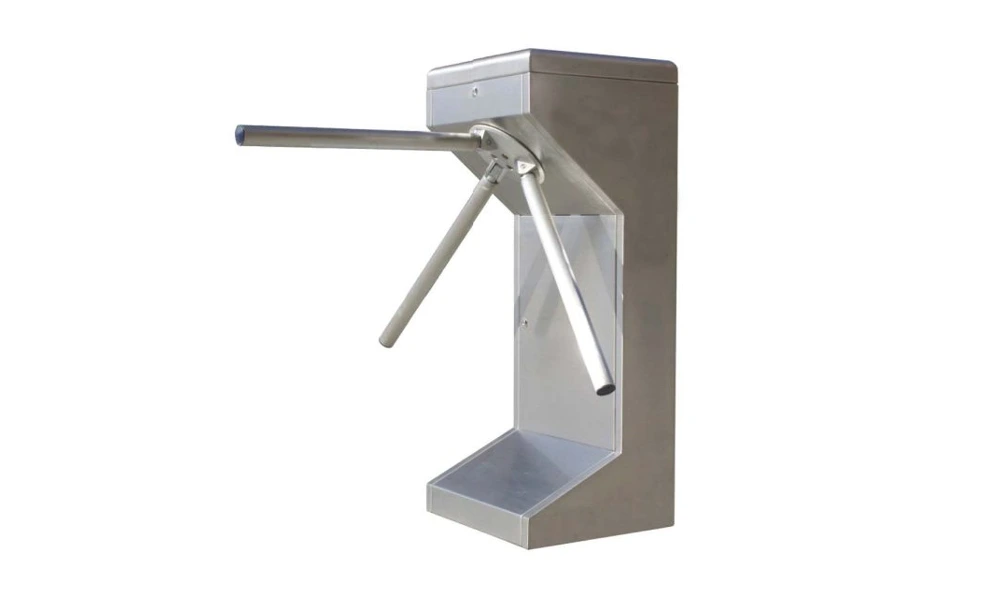
With our TGW-TT001 tripod turnstile, discuss the reader and controller being fitted as part of the order. Ask for their references alongside the turnstile model. Existing staff cards need checking against that combination, not against a photograph of the cabinet.
Write down what stays and what changes. Perhaps the entrance mechanism is being replaced while the approved reader remains. Perhaps the project also replaces the controller and its software.
Those are different migration jobs, and the supplier needs to know which one it is pricing before considering your cards.
For a retained reader, have the integrator confirm the proposed connection to the replacement lane. For a new reader, add credential and output tests to the scope.
The number printed on a badge is a useful administrative reference, but ask the current administrator what the access software stores. The printed number may identify an employee rather than reproduce the credential value.
Obtain an authorized example of the actual record before comparing old and new reader output.
Keep credential secrets out of ordinary quotation documents. Reader model details and redacted event examples may be enough for an initial review. If protected application access is required, involve the authorized credential administrator through the site’s approved process.
Why is the card frequency not enough?
Knowing the frequency helps narrow the reader choice. It does not finish the investigation. Within a band, the credential technology and application can differ.
Give the supplier the card reference where available and explain which information the existing system reads from it, rather than stopping at the frequency label.
A reader may be able to obtain a card serial number without being able to read a protected application stored on that card. Those are different capabilities. Confirm whether the existing access system uses the serial number, application data or another identifier.
Use the specific card reference if the administrator or purchasing records can provide it. Older and newer issue batches may need separate entries in the assessment.
Until their technology is identified, treating all badges with the same artwork as one credential type leaves a gap in the reuse decision.
Two badges with the same artwork can belong to different issue batches. Contractors may have another type again. Choose samples from the groups that will actually use the new lane.
Testing the badge of the person attending the demonstration is convenient, but it may leave much of the site’s card stock unexamined.
| Information to collect | Question it answers |
| Card technology and variant | Can the proposed reader communicate with this credential? |
| Identifier used by the current system | Which value needs to remain associated with the user? |
| Protected application requirements | Is authorized application access needed? |
| Reader output configuration | What value will the controller receive? |
| Controller enrollment and permission | Will that value authorize the intended direction? |
An unidentified badge belongs on an unresolved list. Send an authorized sample for assessment and ask the supplier to record what it can establish about that credential.
The buyer can then keep that card group out of a blanket approval until the necessary reader test has actually been completed.
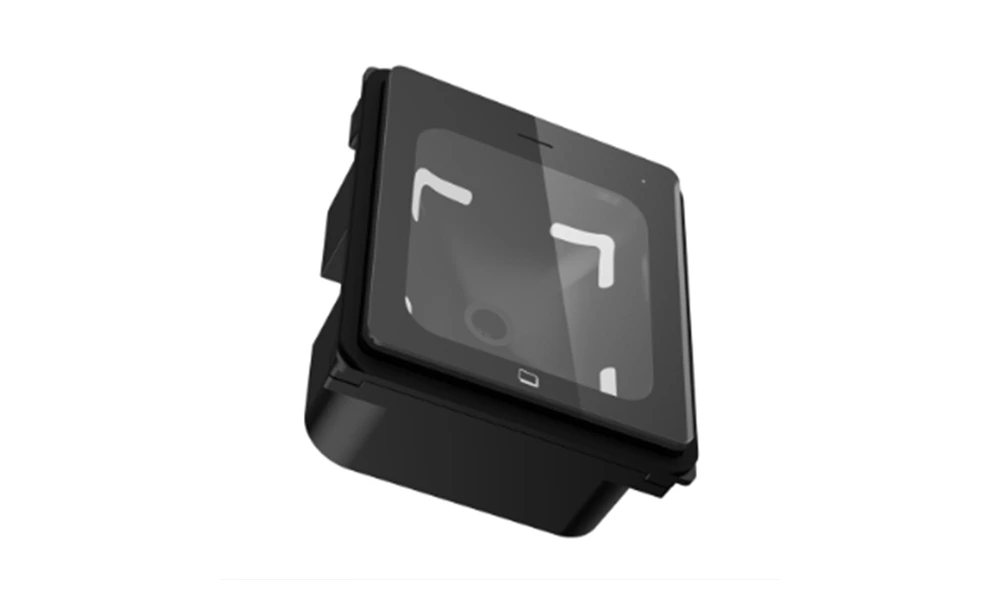
How do you compare the identifier reaching the controller?
Take a known, authorized test card and capture its current access-system record. Then present it to the proposed reader and inspect the value reaching the test controller. Use authorized diagnostic tools and redact personal information from shared reports.
Compare the two complete identifier values in the authorized test record. A decimal display can look different from hexadecimal; leading zeros or byte order may need explanation too. Ask the integrator to write out the conversion being used.
Another technician should be able to repeat it without guessing which digits matter.
ہماری TGW-Q340 credential reader is one reader option to discuss by its stated configuration. Its inclusion in a quotation should be accompanied by confirmation for your sample credentials and the intended controller interface.
Changing numbers until one badge opens the lane leaves a weak basis for importing the rest. Ask the integrator to state the input, any conversion and the stored result. Then repeat that procedure with other sample cards.
The approval needs a method another technician can follow after the demonstration ends.
Suppose the staff records remain in the old software while a replacement reader outputs the identifier differently. The migration now needs either a verified mapping or controlled re-enrollment. Discuss that work before ordering.
It is part of keeping badges usable, even if the reader itself communicates with them successfully.
Check that two different test credentials remain distinguishable after any conversion. Truncating a value or interpreting the wrong fields can undermine the mapping.
A small sample will not cover every possible identifier, so agree any wider validation needed before applying the change to the whole staff list.
Which sample cards should you test?
Choose samples by credential type and issue history. Include current staff cards, older batches still in use, contractor cards and visitor credentials if those groups will use the entrance. Use test records that the site administrator can safely activate and revoke.
Run a positive test for each supported group. Confirm the recorded identifier, the correct user’s permission and the intended direction of release. Record the controller event as well as the physical opening so that the result can be traced later.
Include a test credential with no valid permission, using an agreed procedure. Observe both the controller decision and the lane response. This is the other half of the demonstration: the project needs the authorized badge to work and the denied badge to receive the declared response.
Ask تکنیکی مدد to review inconsistent results with the equipment references and event records. A missed read, a rejected identifier and a denied permission are different faults; a report saying only that the card failed gives little help.
Test the proposed reader position on the assembled lane. Housing, mounting and the way users present a badge can affect the practical interaction. Use the final arrangement where possible, rather than accepting only a loose reader demonstration on a desk.
Try revoking a designated test badge through the normal administrative route. When does the controller reflect that change, and what happens on the next presentation? Record the observed sequence.
Where the project requires operation without a live connection, arrange a separate test for that condition rather than assuming the same result.
What should the approved compatibility record contain?
Keep a copy of the tested card groups and the exact reader settings with the acceptance record. Add the controller and software references, plus the identifier or mapping method.
Sensitive values belong in the site’s controlled record; the ordinary handover can refer to that record without distributing credential details unnecessarily.
Keep the result bounded to the credential groups and settings actually tested. A useful approval can name a supported batch and still leave another batch unresolved.
That is more practical for the buyer than a broad RFID-compatible label which gives no clue about the cards that staff already carry.
Before a bulk import, get the administrator’s agreement on the permission changes and on recovery if the mapping is wrong. A recorded rollback procedure gives the site a practical next step if problems appear among the remaining badges during migration.
Retain authorized samples from the accepted groups for future replacement checks. If a later reader behaves differently, repeat the recorded test with those samples and compare the output.
This gives the installer a concrete reference from the accepted setup instead of relying on the replacement’s model label alone.
Bring the equipment list and sample-card results to a project discussion. We can then discuss the turnstile and reader configuration around the credentials you actually use, with unresolved compatibility questions identified before ordering.