
![Casos do sistema de estacionamento, instalações de torrente, projetos de controle de acesso [UNK] TigerWong - 3 hudas](https://www.sztigerwong.com/wp-content/uploads/2025/03/Kuwait.jpg)

Selecionar o sistema de estacionamento certo é uma decisão fundamental para qualquer instalação que busque equilibrar conveniência, segurança e eficiência operacional. Entre as soluções mais comunmente implementadas são os sistemas de estacionamento baseados em bilhetes e cartas RFID. Cada um atende a padrões distintos de uso, configurações infraestruturais e expectativas dos usuários.
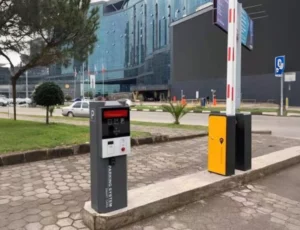
Se você procuram uma solução de estacionamento personalizada, escalável e inteligente, consideram explorar TigerWongCom mais de 25 anos de experiência da indústria e mais de 50 patentes, este fornecedor global oferece sistemas avançados de estacionamento e controle de acesso adaptados às suas necessidades operacionais.
Quais são as diferenças chave entre os sistemas de estacionamento de bilhetes e cartas RFID?
Ambos os sistemas servem o mesmo objetivo final - controle eficiente de acesso ao veículo - mas eles diferem significativamente em como gerenciam entrada, facturação e interação do usuário.
Funcionalidades essenciais de um sistema de estacionamento de bilhetes
Um sistema de estacionamento de bilhetes funciona emitindo bilhetes de papel para usuários temporários quando entrarem. Esses bilhetes são escaneados ou validados em pontos de saída para calcular as taxas de estacionamento baseadas na duração. Sistema de estacionamento de bilhetes – TGW-TBTE é um sistema de estacionamento de bilhetes inteligente e personalizável projetado para eficiência e conveniência. Ela apresenta bilhetes automáticos, avisos de voz, exibições de LED, e pode ser integrada sem problemas com estações de reconhecimento de placas de licença e autopagamento.
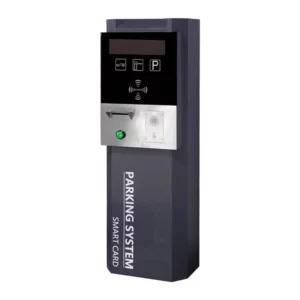
Traz conveniência ao pagamento temporário de veículos e reduz o custo de trabalho, tornando esse sistema ideal para centros de compras ou lotes públicos com alto volume de negócios de visitantes.
Funcionalidades essenciais de um sistema de estacionamento de cartas RFID
Sistemas baseados em RFID são projetados para acesso sem conteúdo usando cartões sem contato. Após a autenticação do cartão na entrada ou saída, o acesso é concedido instantaneamente sem exigir que o condutor pare completamente. O Speed Turnstile Gate – TGW-SG011E – TigerWong apoia o reconhecimento de alta velocidade e é particularmente adequado para campus residenciais ou empresariais onde os usuários estão pré-registados.
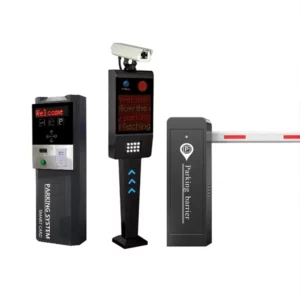
O produto tem funções relativamente completas, com desempenho estável e baixo custo de manutenção, adequadas para áreas residenciais, parques industriais e outros lugares que requerem operação estável a longo prazo.
Análise Comparativa: Fluxo de Trabalho Operacional e Experiência do Utilizador
Os sistemas de bilhetes exigem interação manual – tomar um bilhete na entrada e scaná-lo na saída – levando a potencial colar durante horas máximas. Em contraste, os sistemas RFID automatizam esse fluxo de trabalho inteiramente. Os usuários regulares trocam seu cartão; os usuários temporários devolvem o cartão para reciclagem. - Imagem de placa de licença capturada para identificação secundária.
A RFID aumenta significativamente o rendimento reduzindo o tempo de inactividade nas portas. No entanto, os sistemas de bilhetes podem ser mais intuitivos para usuários transitórios desconhecidos com métodos de acesso digital.
Como esses sistemas se alinham com diferentes cenários de estacionamento?
Escolhar entre esses sistemas muitas vezes depende do tipo de instalação e padrões de comportamento do usuário.
Adequação para complexos comerciais e shopping malls
O alto volume de negócios de visitantes em ambientes comerciais favorece sistemas baseados em bilhetes. Eles acomodam veículos transitórios ao mesmo tempo que permitem facturação precisa. O TGW-TBTE apoia a emissão automática de bilhetes, apresentação de taxas em tempo real, e pode ser usado com equipamento de reconhecimento de placas.
A exibição mostra informações de estacionamento de veículos, incluindo tempo e carga, tornando-as amigáveis para os visitantes da primeira vez.
Aplicabilidade em campos residenciais ou empresariais
Os sistemas RFID oferecem melhor controle em ambientes portados, permitindo apenas acesso autorizado ao pessoal. O distribuidor de cartões TGW-TBCE adota a clássica combinação de concha de metal e painel plástico de engenharia. Sua durabilidade a torna adequada para implementações a longo prazo.
Podem ser usados com outros produtos como equipamento de reconhecimento de placas de licença, barreiras, máquinas de autopagamento.
Integração com instalações de uso misto ou lotes multizonais
As instalações que servem visitantes transitórios e usuários registados podem beneficiar de configurações híbridas. O RFID pode ser usado para alugadores ou pessoal enquanto os visitantes dependem de bilhetes. Desde o sistema de estacionamento de bilhetes de papel para o sistema de estacionamento de cartas RFID, até o sistema de estacionamento de reconhecimento de placas de licença e pagamento não indutivo, cada passo é o líder da indústria.
Quais são os requisitos técnicos e considerações de manutenção?
A complexidade da infraestrutura e a frequência de manutenção podem variar consideravelmente entre os dois sistemas.
Complexidade da instalação e necessidades de infraestrutura
Os sistemas de bilhetes requerem um hardware extenso, incluindo impressoras, scanners e kiosks. - As configurações RFID são mais simples - requerem leitores, antenas e um sistema de base de dados backend.
A instalação é simples com instruções fornecidas e tutoriais de vídeo. Isso se aplica tanto ao RFID como aos sistemas de bilhetes oferecidos pelo TigerWong.
Frequência de manutenção e custos consumíveis
Os sistemas baseados em papel sofrem despesas recorrentes como rolos de papel térmico e serviço de impressoras. O papel de impressão pode ser comprado de nós ou o papel térmico padrão pode ser usado. Os sistemas RFID têm menores necessidades de manutenção mas dependem fortemente de uma gestão robusta da base de dados.
Reliabilidade a longo prazo e avaliação de riscos em baixo tempo
Fatores ambientais podem afetar a confiabilidade do sistema. Os dispositivos devem ser avaliados ao ar livre se utilizados em áreas descobertas. O equipamento de TigerWong é classificado por IP e suporta a operação 24/7 em condições diferentes.
Como esses sistemas impactam na eficiência operacional e na gestão das receitas?
A escolha do sistema afeta a velocidade do fluxo, a precisão do rastreamento das receitas e os protocolos de segurança.
Velocidade de atravesso do veículo durante horas máximas
RFID permite processamento mais rápido eliminando interações manuales. Os sistemas de bilhetes podem criar obstáculos a não ser suplementados com kiosques de pagamento automático ou vias de entrada múltiplas.
Gestão completamente automático de veículos fixos, e gestão semiautomática de veículos temporários, o sistema reduz o tempo de trânsito de veículos e poupa tempo para os motoristas
Características de Analítica de Dados, Relatório e Controlo Centralizado
Plataformas avançadas oferecem painéis mostrando níveis de ocupação, relatórios de renda e registos de entrada/saída. O sistema central de gestão de estacionamento pode coletar e analisar dados capturados durante estacionamento, fornecendo visões valiosas para otimizar operações de estacionamento e planejamento futuro.
Prevenção de Fraude, Controlo de Acesso e Características de segurança
Cartões RFID podem ser cifrados para evitar clonagem. - Os bilhetes perdidos podem requer uma sobreposição manual. O sistema inclui lógica anti-passback, características da lista negra e integração de câmaras.
O que você deveria considerar quando escolhe entre os dois sistemas?
Sua decisão deve ter em conta limites orçamentais imediatos, bem como objetivos a longo prazo.
Restricções orçamentais contra ROI a longo prazo
Os sistemas baseados em bilhetes têm menores custos avançados, mas podem incurrir maiores custos recorrentes. O RFID oferece melhor ROI ao longo do tempo devido à redução dos consumíveis e a produção mais rápida.
TigerWong oferece pacotes econômicos adaptados ao tamanho e padrões de uso do cliente.
Demografia de Usuarios: Acesso Público vs Usuarios Registados
Os lotes de acesso público beneficiam da simplicidade dos bilhetes enquanto as áreas residenciais valorizam a consistência dos cartões RFID para usuários conhecidos.
Compliance Regulatory & Considerações ambientais
Os sistemas RFID se alinham melhor com os objetivos de sustentabilidade devido à sua operação sem papel. O funcionamento sem papel da RFID alinha-se com iniciativas verdes.
Como TigerWong pode ajudá-lo a implementar o sistema de estacionamento certo?
A escolha de um parceiro confiável assegura uma implantação contínua do design através do suporte pós-instalação.
Opções de personalização baseadas em seu tipo de instalação
TigerWong fornece uma personalização completa da aparência de hardware, funcionalidade de software e integração API de terceiros através de sua Serviços OEM.
Apoio após vendas e Assistência Técnica
A equipe de pós-vendas responde 24 horas por dia e conduz manutenção regular do sistema.
Serviços de Consulta para Identificar a Configuração Optima
Seus consultores experientes analisam padrões de trânsito, restrições orçamentais e tipos de usuários para recomendar a configuração mais adequada para suas necessidades específicas de estacionamento.
11/11/2025- Página 2- TigerWong
Q1: Qual sistema de estacionamento é mais adequado para centros comerciais com alto turno de visitantes?
A: Os sistemas de estacionamento baseados em bilhetes são mais adequados, uma vez que acomodam veículos transitórios, possibilitam facturações precisas baseadas na duração, e são intuitivos para visitantes de primeira vez. O modelo TGW-TBTE de TigerWong suporta bilhetes automáticos e integração com estações de autopagamento.
Q2: Os bilhetes e sistemas de estacionamento RFID apoiam a integração com outras ferramentas de segurança?
A: Sim, ambos os sistemas podem se integrar com equipamento de reconhecimento de placas, barreiras e máquinas de autopagamento.
Q3: Qual sistema tem menores custos operacionais a longo prazo?
A: Os sistemas de estacionamento de cartões RFID têm melhor ROI a longo prazo, pois eliminam custos consumíveis recorrentes (por exemplo, papel térmico) e requerem menos manutenção, ao contrário dos sistemas de bilhetes que incurrem custos de serviço de papel e impressora em curso.
Q4: As instalações de uso misto (servindo visitantes e usuários registrados) podem usar esses sistemas?
A: Sim, instalações de uso misto podem adotar configurações híbridas – usando RFID para alugadores/pessoal e sistemas de bilhetes para visitantes transitórios, assegurando flexibilidade para necessidades diversas de usuários.