
In today’s fast-paced world, parking facilities face growing pressures from rising traffic volumes and shifting customer expectations. Drivers want quick, hassle-free experiences, while operators juggle costs, security risks, and outdated tech. All-in-one payment solutions step in here, blending hardware and software to handle everything from entry to exit in one smooth process. These systems cut down on wait times, boost revenue, and adapt to modern needs like contactless options. TigerWong is a Shenzhen-based company with 25 years of experience in intelligent parking and access control. They’ve served over 155 countries, delivering solutions from license plate recognition to turnstiles, all backed by strong R&D and customization services. By adopting these integrated setups, you transform your lot into a efficient hub that keeps users coming back.
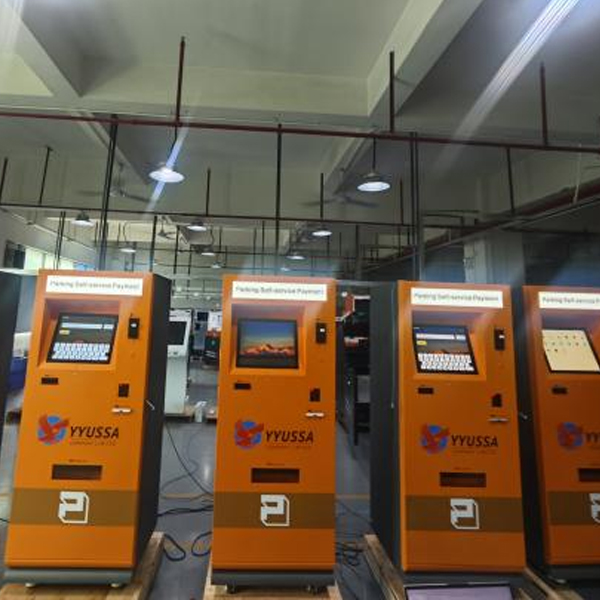
What Are the Key Challenges in Traditional Parking Payments?
Old-school parking payments often leave you stuck in a rut, dealing with clunky machines and frustrated drivers who fumble for change or wait in lines. These issues pile up, turning simple tasks into headaches that hurt your bottom line and reputation.
Inefficient Manual Processes
Cashiers counting bills by hand slow everything down, especially during peak hours at malls or events where crowds build up fast. One study shows manual handling can delay exits by up to 5 minutes per car, leading to backups and lost spots.
High Operational Costs
Hiring staff for booths and maintaining separate ticket dispensers eats into profits. Facilities report spending 20-30% more on labor alone when sticking to outdated methods, not to mention the downtime from broken equipment.
Limited Payment Options
Many lots still rely on cash or basic cards, alienating users who prefer apps or digital wallets. This mismatch means missed revenue, as drivers skip spots without easy ways to pay, like scanning a QR code on the spot.
How Can All-in-One Solutions Improve Operational Efficiency?
Switching to a unified payment setup streamlines your daily grind, letting machines handle the heavy lifting so you focus on bigger picture stuff like expanding your lot. It ties together entry scans, fee tracking, and exits without the usual hiccups.
Automated Fee Calculation
Systems figure out charges based on time spent, pulling data from license plate cams to bill accurately. For instance, in a busy airport lot, this cuts errors from manual entries, handling up to 500 vehicles an hour without a hitch.
Real-Time Data Integration
Live updates sync with your management software via APIs or Ethernet, showing occupancy and payments instantly. You spot trends, like peak times on weekends, and adjust rates to fill more spaces.
Reduced Staff Dependency
With self-service kiosks, you need fewer people on site, freeing them for maintenance or customer help. Lots using these report dropping staff hours by half, yet keeping things running smooth.
Why Is Enhancing User Experience Essential for Parking Facilities?
Happy drivers mean repeat business and good word-of-mouth, but clunky payments chase them away to competitors. A seamless setup draws them in, making your lot the go-to choice in town.
Seamless Contactless Payments
Tap-and-go options let users pay via phone or card without touching anything, ideal for post-pandemic crowds. In urban garages, this speeds up transactions to under 10 seconds, reducing queues.
Quick Entry and Exit
License plate recognition grabs details on arrival, so barriers lift automatically after payment. Picture a stadium event where fans zip out instead of idling in lines, cutting frustration.
Personalized Mobile Integration
Apps link to your system for pre-booking spots or viewing bills, tailoring alerts like “Your spot expires in 10 minutes.” This personal touch boosts satisfaction scores by 25% in many setups.
What Role Does Security Play in Modern Parking Payments?
No one wants fraud draining their accounts or data breaches hitting the news. Strong security builds trust, keeping your operations safe and users loyal in a world full of cyber threats.
Advanced Encryption Protocols
Payments run through AES-128 and SSL/TLS, scrambling data from kiosk to server. This guards against hacks, much like bank-level protection in everyday lots.
Fraud Detection Mechanisms
Built-in checks spot odd patterns, like repeated failed scans, and flag them instantly. In high-traffic areas, this prevents losses from fake tickets or stolen cards.
Compliance with Global Standards
Systems meet GDPR and EMV rules, ensuring your setup passes audits worldwide. You avoid fines and keep international visitors happy with reliable, standard-safe transactions.
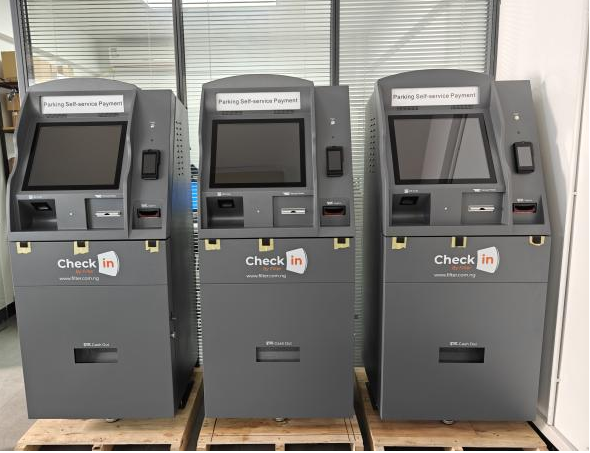
How Do All-in-One Systems Support Scalability and Customization?
As your facility grows, maybe adding levels or tech, a flexible system grows with you, avoiding costly overhauls. It molds to your needs, from small lots to massive complexes.
Modular Hardware Design
Plug-and-play parts let you add features like extra cams without ripping everything out. A downtown garage might start basic and scale to handle 1,000 spots seamlessly.
OEM and ODM Services
Custom builds tweak colors, logos, or functions to fit your brand, like matching a hotel’s aesthetic. This keeps things consistent and user-friendly.
Easy System Upgrades
Software updates roll out remotely, adding new payment types without downtime. You stay current, like shifting to QR codes as trends change.
Why Should Facilities Consider Cost Savings from Integrated Solutions?
Pinching pennies matters when margins are tight, and unified payments trim waste in ways that add up quick. Over time, these savings let you invest elsewhere, like better lighting or more spots.
Lower Maintenance Expenses
Fewer separate machines mean less upkeep; one system handles it all with IP54-rated gear that withstands weather. Facilities see repair bills drop 40% after switching.
Revenue Leakage Prevention
Accurate tracking plugs holes from unpaid fees or errors, capturing every dime. In a 200-spot lot, this might recover thousands yearly from overlooked charges.
Long-Term ROI Benefits
Initial setup pays off in 1-2 years through higher throughput and lower ops costs. You end up with a setup that lasts, backed by warranties up to a year.
How Can TigerWong’s Products Address These Needs?
These solutions tackle your pain points head-on, blending cash and digital in rugged designs. Sometimes, the right tool just clicks, solving issues you didn’t even notice building up.
TGW-AP101P for Versatile Cash Handling
The Parking payment system – TGW-AP101P accepts bills and coins, with a -20°C to +70°C range for tough spots. It queries fees by plate number, fuzzy search included.
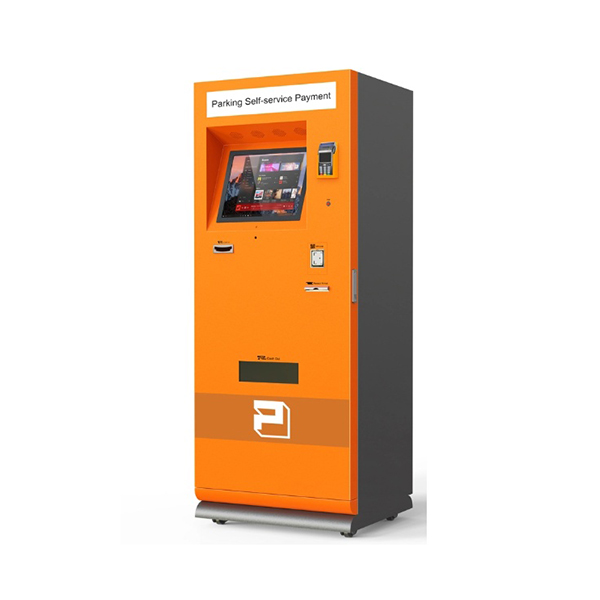
TGW-ASPMBC for Multi-Payment Support
Grab the Parking payment system – TGW-ASPMBC for cash, cards, and scans, integrating with barriers via signals. Its interfaces like LVDS and RJ45 make hooking up simple.
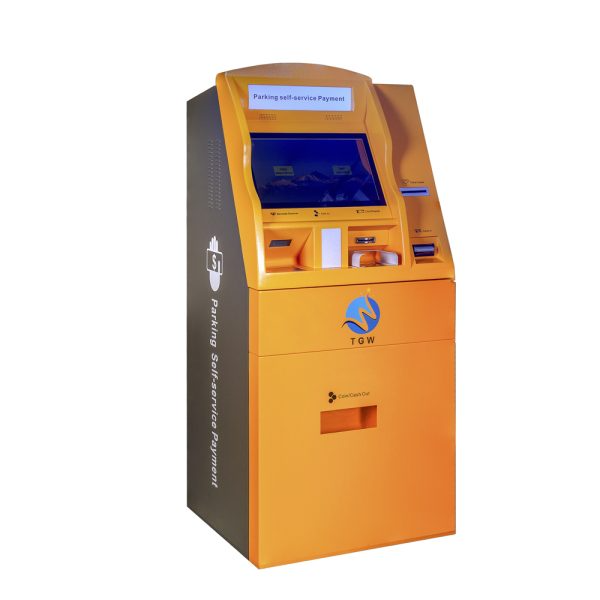
Comprehensive Support Services
From installation guides to one-year warranties, you get help replacing parts or troubleshooting, ensuring minimal downtime. Tech teams guide through videos or calls.
Тайлбар
Q1: What payment methods do these systems support?
A: They handle cash, cards, and QR scans, giving drivers flexible choices without extra hassle.
Q2: How do I install a payment kiosk?
A: Follow the provided guides and videos; tech support walks you through, and it’s straightforward for most setups.
Q3: Can these work in cold weather?
A: Yes, rated for -20°C to +70°C, they run steady in garages or outdoor lots year-round.