
Tripod turnstiles stand as the backbone of access control in busy spots like stadiums, train stations, and office buildings. They manage crowds day in and day out, but their lifespan can swing wildly based on a few key elements. Think about it: a well-built turnstile might last over a decade with proper care, while a neglected one could fail in just a few years. As someone who’s spent years diving into security hardware, I’ve seen how small choices in materials or maintenance make all the difference. That’s where companies like TigerWong shine—they’ve been crafting reliable turnstile solutions for over 15 years, serving folks in more than 150 countries. They offer OEM customization if you need something tailored. In this post, we’ll break down the factors that either cut short or stretch out your turnstile’s life, so you can pick smarter and save headaches down the road.
What Materials Influence Tripod Turnstile Durability?
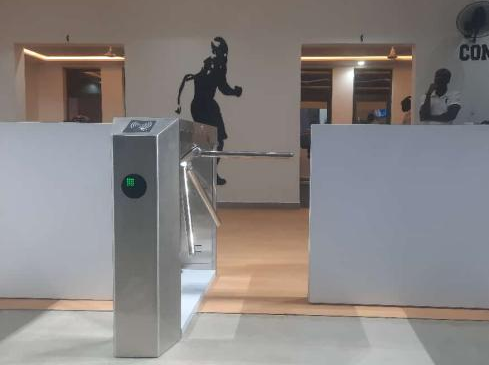
The stuff your tripod turnstile is made from sets the foundation for how long it holds up against daily grind. Pick the right alloys or steel, and you’re looking at years of trouble-free service; go cheap, and rust or cracks show up fast. Materials matter most in spots with weather exposure or heavy foot traffic, like outdoor concerts or bus stations.
Corrosion-Resistant Alloys for Extended Outdoor Use
Alloys that fight off rust keep turnstiles going strong in rainy or salty air. For example, in coastal areas or near docks, these materials prevent pitting that weakens the frame over time. A turnstile exposed to humidity without this protection might last only five years, but with corrosion resistance, it pushes past ten. Scenic spots and amusement parks often rely on this for reliable entry control.
High-Grade Stainless Steel
Stainless steel like SUS304 stands tough against scratches and dents, ideal for high-traffic gyms or schools. This material handles up to 35 people per minute without bending, and its smooth finish cuts down on wear from constant arm rotations. In places like exhibition halls or movie theaters, it ensures the turnstile stays sleek and functional, even after millions of cycles.
Reinforced Components to Prevent Wear
Extra-strong parts, such as beefed-up arms and bases, stop breakdowns from repeated impacts. These hold up in crowded train stations or factories where folks rush through. Without reinforcement, components snap early, but with it, the turnstile manages orderly passage in spots needing ticket checks or authorization, like golf courses or canteens.
How Does Usage Frequency Affect Turnstile Lifespan?
Crowd volume hits your turnstile hard—think of it as a workout that either builds strength or causes burnout. High-traffic setups demand designs that handle the load, or else parts wear out quicker than expected. In a busy stadium or corporate building, tracking daily passages helps spot when overuse starts shortening life.
Daily Passages and Mechanical Stress Accumulation
Constant spinning arms build up stress, leading to fatigue in joints and motors. A turnstile seeing 500 people a day might need checks every six months to catch loose bolts. Without that, small vibrations turn into big failures, especially in transportation hubs or theme parks where lines form fast.
Overload Prevention in High-Traffic Designs
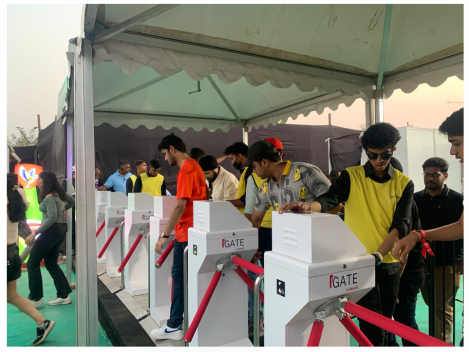
Built-in limits stop the system from jamming during peaks, like at outdoor concerts with sudden rushes. These features cut stress on the mechanism, extending life by years. In gyms or banks, where access monitoring is key, this prevents unauthorized entry while keeping things moving smooth.
Adaptive Mechanisms for Variable Usage
Flexible setups adjust to light mornings or packed afternoons, easing wear on components. For instance, in schools or monthly card leisure centers, the turnstile shifts directions based on flow, avoiding one-sided strain. This keeps the whole unit balanced, much like how a well-oiled door swings forever without squeaking.
Why Is Proper Maintenance Essential for Longevity?
Skipping upkeep is like ignoring oil changes in your car—things break down fast. Regular care spots issues early, from dirt buildup to loose wires, keeping your turnstile reliable in spots like hospitals or governments. It’s not just about fixing; it’s preventing downtime that costs you big.
Routine Lubrication and Cleaning Schedules
Grease the moving parts monthly to cut friction, and wipe down surfaces to fend off grime. In dusty exhibition halls or piers, this stops clogs that force the motor harder. Miss it, and a simple arm drop turns sticky, shortening life from a decade to half that.
Comprehensive Service Support
Full checkups cover everything from interfaces like USB or RS485 to the core mechanism. In corporate buildings or amusement parks, this ensures seamless integration with security systems. Professional tweaks catch hidden wear, adding years, especially when customized for specific needs like color or logo.
Predictive Inspections to Avoid Premature Failures
Spot checks with tools flag weak spots before they snap, like in train stations with heavy daily use. This approach, using fault self-check functions, keeps alarms for illegal intrusion sharp. It’s saved setups in banks or gyms from sudden stops, turning potential disasters into quick fixes.
What Environmental Conditions Shorten Turnstile Life?
Weather and surroundings play dirty tricks on turnstiles, from scorching sun to gritty wind. Outdoor installs face the worst, but even indoor ones deal with humidity or dust. Knowing these lets you shield your setup, whether at a stadium or scenic spot.
Extreme Temperatures and Material Fatigue
Heat warps metal, cold makes it brittle—swings from -25°C to +60°C test limits. In airports or ports, this fatigue cracks arms over time. Pick models rated for wide ranges to dodge early replacements, keeping passage smooth in harsh spots.
Moisture and Rust Protection
Waterproof seals block rust in rainy bus stations or near water rides in theme parks. Without them, corrosion eats away at the frame fast. Strong protection here means the turnstile handles wet conditions, supporting multi-interface compatibility for various controls.
Dust and Debris Mitigation Features
Filters and tight builds keep grit out of gears, vital in construction sites or outdoor concerts. Dust jams mechanisms, cutting life short. In factories or canteens, these features ensure clean operation, preventing the kind of buildup that halts entry during peaks.
Why Choose Superior Tripod Turnstile Longevity?
Going for top-shelf options pays off with fewer repairs and steady security. In places like transportation hubs or outdoor concerts, long-lasting turnstiles keep crowds moving safe. Weigh the perks, from custom features to proven durability.
Proven Track Record in OEM Customization
Custom builds fit exact needs, like wristband entry for amusement parks or portable setups for events. In Russia or India, these adaptations extend use across venues. Tailored designs handle specific flows, boosting overall life.
Tailored Solutions with TGW-TT011 and TGW-TT017 Warranties
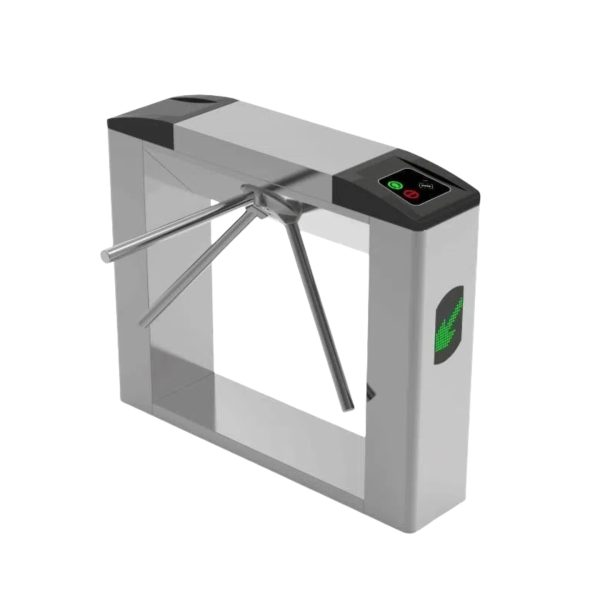
Models like the Tripod Turnstile Gate – TGW-TT011 come with solid backing, covering high-speed processing. Pair it with the Tripod Turnstile Gate – TGW-TT017 for reinforced strength in Mexican schools or Russian parks. Warranties give peace of mind, ensuring decades of service.
Global Support Ensuring Decades of Reliable Operation
Round-the-clock help fixes issues fast, from software tweaks to part swaps. In 153+ countries, this network keeps turnstiles humming in diverse spots. Reliable backing means your investment lasts, handling everything from IC cards to face recognition.
Тайлбар
Q1: How often should you clean a tripod turnstile to extend its life?
A: Clean it monthly, focusing on arms and bases to remove dust and grime, especially in outdoor spots like piers or bus stations.
Q2: Can extreme cold really damage turnstile components?
A: Yes, temperatures below -25°C make metals brittle, leading to cracks in arms or frames if not rated for it.
Q3: What’s the average lifespan for a well-maintained tripod turnstile?
A: Expect 10 to 15 years, based on handling up to five million operations in places like gyms or train stations.