
Controlling physical access to secure spaces is fundamental in many sectors, from transportation hubs to corporate campuses. Among the most efficient solutions available is the tripod turnstile gate mechanism, known for its compact footprint, mechanical reliability, and integration with digital access systems. These gates offer a smart blend of mechanical engineering and electronic control to facilitate orderly and secure pedestrian flow. If you’re exploring robust access control systems tailored to various environments—indoors or out—take a closer look at TigerWong.
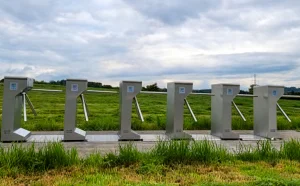
How Does the Tripod Turnstile Gate Mechanism Work Internally?
To appreciate the precision and dependability of a tripod turnstile gate, you need to consider its internal structure. The core mechanism balances mechanical barriers with intelligent electronics to allow one-person-at-a-time entry while preventing unauthorized access.
Mechanical Structure of Tripod Arms
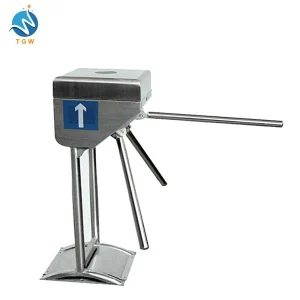
At its heart lies a three-arm rotating barrier system. Each 120° rotation permits passage for one individual, ensuring that access is always singular and sequential. Each rotation (120°) allows one person to pass through. The arms are made from SS-304 stainless steel, renowned for its corrosion resistance and strength, which makes them durable even under constant usage or in outdoor settings. The tripod turnstile is made of high-quality stainless steel 304, which is durable and weather-resistant.
Internally, the tripod is locked in place by a solenoid-driven mechanism. The solenoid locking that forms the heart of the Gate offers long reliable operational life with little or no need for constant maintenance requiring replacement of spares, when serviced and maintained well providing UPS power to protect the electronics from power vagaries. This means that unless an authorized signal is received from the control system, the arms remain fixed, preventing entry or exit.
Electromechanical Control System
Beyond its mechanical components, the tripod turnstile employs a tightly integrated electromechanical system. Microcontrollers handle logic operations, coordinating input from sensors and access readers. Solenoids trigger the release of the locking mechanism once validation occurs.
These gates support bidirectional operation by default. Yes, this tripod turnstile can support one-way or two-way access. Their logic circuits can be configured per your requirements—one side for entry only, both sides for alternating traffic, or restricted in emergency scenarios.
Integration With Access Control Devices
One standout feature is seamless compatibility with various authentication technologies. The Tripod Turnstile Gate may be integrated with a wide variety of access devices viz. Proximity Cards, Bi- Metric Readers, Bar Code & QR Code Readers, Face Recognition etc. This gives you flexibility in designing an access management system suited to your environment and security level.
Communication between these devices and the gate’s control board is smooth, ensuring fast validation and unlocking response times. Whether using RFID cards or biometric readers, only authenticated users activate the arm rotation.
How Does the Mechanism Enhance Access Security?
Tripod turnstiles are not just about convenience—they actively reinforce access control by enforcing physical passage rules that prevent common abuse techniques like tailgating.
Controlled One-Person Passage
The rotating arms physically block multiple entries per transaction. Once a person pushes through the arm upon successful authentication, it rotates exactly 120°, then resets automatically to its default locked position. This makes piggybacking nearly impossible.
Additionally, sensors detect whether someone has actually passed through after a credential has been presented. This feedback loop ensures that only one person uses each validation event.
Anti-Reverse Rotation Functionality
To further tighten security, these systems include anti-reverse mechanisms. Once an arm starts rotating forward for an authorized entry or exit, reverse movement is physically prevented until the cycle completes. This stops people from entering through the exit side or forcing return access.
Alarm and Locking Features for Unauthorized Entry Attempts
If someone tries to force entry or manipulate the system without proper credentials, built-in alarms are triggered. Audible alarms triggered by forced entry or invalid access attempts. The system also automatically locks the arms in such cases to prevent further breach attempts.
What Are the Key Components That Ensure Reliability?
A dependable turnstile gate must operate thousands of times per day without fault. High-quality components reduce wear-and-tear and minimize downtime—key advantages for busy sites.
High-Torque Motor and Gear Transmission System
The mechanism behind arm rotation includes a high-torque motor paired with a low-friction gear transmission system. This setup enables consistent performance even under heavy traffic while minimizing component stress.
For example, models like the Tripod Turntile хаалга use compact yet powerful solenoid locking drives capable of handling 30–40 people per minute excluding card validation time. Throughput: 30-40 People per Minute Excluding Card Validation Time
Optical Sensors for Accurate Detection
Sensors embedded within the cabinet detect not only movement but also directionality. They help prevent double entries and identify if someone tries to reverse direction mid-passage.
These sensors also contribute to throughput efficiency during busy hours by reducing false triggers and ensuring smoother flow.
Power Supply and Backup Systems
You benefit from stable power input supported by AC100-220V ±10%, which ensures consistent operation in variable voltage conditions. Some models also include optional UPS support so operations continue even during brief outages. Providing UPS power to protect the electronics from power vagaries.
Energy-efficient standby modes reduce power draw during idle periods—ideal for long-term cost savings in large facilities.
How Is the Tripod Turnstile Gate Integrated Into Modern Access Systems?
Modern security deployments demand scalability and interoperability. The tripod turnstile mechanism supports these goals through modular designs and network capabilities.
Compatibility With Third-party Software Platforms
The system communicates via widely used protocols like RS485 or TCP/IP. This allows seamless integration into your existing software environment—whether you’re managing one facility or multiple sites across regions.
SDKs and APIs support customization for unique business rules or branding requirements without altering core hardware functionality.
Networked Operation With Centralized Monitoring Systems
All event data can be transmitted in real-time to central servers or cloud platforms. From there, admins can perform diagnostics, view live status updates, generate reports, or even open/lock gates remotely as needed.
This connected design enhances situational awareness and streamlines operations for security teams across enterprise-grade deployments.
Modular Design for Flexible Deployment Scenarios
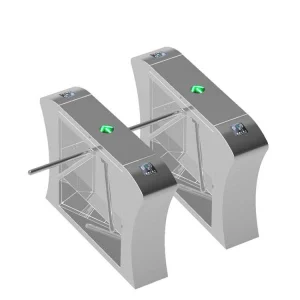
Tripod models like TGW-TT011 feature modular construction that suits both indoor and outdoor applications—from narrow corridors in office buildings to wide lanes at stadiums. TGW-TT011 is an economical, practical, stable and reliable personnel channel management equipment.
With plug-and-play modules and adjustable mounts, installation becomes straightforward regardless of location-specific constraints.
Why Choose TigerWong’s Tripod Turnstile Gates?
TigerWong has many advatages to fit your needs:
- Proven Product Performance in Diverse Applications
- Advanced Manufacturing and OEM Capabilities
- Comprehensive After-Sales Supports
- Global Reach with Trusted Reliability
- Versatile Customization for Seamless Integration
What Are the Common Challenges Addressed by the Mechanism?
When selecting access control hardware, resilience under load and ease of maintenance are top concerns. Tripod turnstiles address these through thoughtful design choices.
Prevention of Unauthorized Entry Under High Traffic Conditions
Their fast response time allows for smooth processing during rush hours without sacrificing security. Anti-tailgating sensors help spot multiple persons attempting to enter using one credential—a key need for metro stations or event venues.
Durability in Harsh Environmental Conditions
Thanks to IP-rated enclosures and stainless steel builds, these gates resist water ingress, dust accumulation, and even physical abuse—making them suitable for tropical heat or sub-zero temperatures alike. Yes, our tripod turnstile is IP65 rated for water and dust resistance.
Maintenance Efficiency Over Long-Term Use
Modular internal designs simplify part replacement without disassembling the entire unit. Self-diagnostic features detect faults early so issues can be resolved quickly before disrupting operations. Self-diagnostic features reduce downtime due to mechanical faults.
Тайлбар
Q1: What materials are used in tripod turnstile construction?
A: High-quality SS-304 stainless steel is used for both housing and arms due to its corrosion resistance and strength.
Q2: How many people can pass through per minute?
A: Depending on configuration, throughput ranges from 30–40 people per minute excluding card validation time.
Q3: What happens during power failure?
A: A UPS backup can be added to maintain gate function during outages; some models allow automatic arm drop for evacuation.