
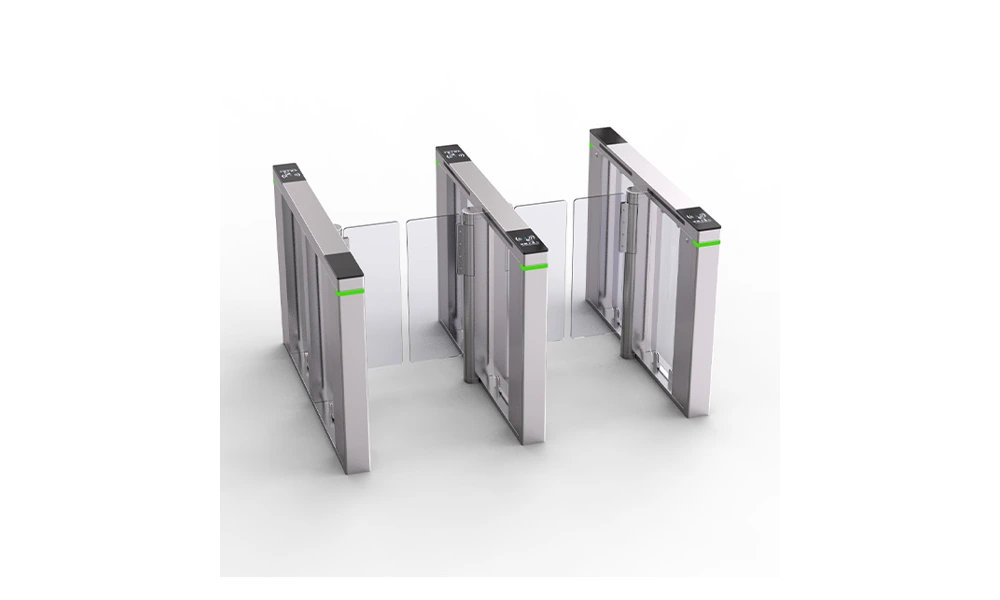
Optical turnstiles work by interpreting light-sensor signals as someone moves through a lane. Permission to pass comes into that interpretation too.
A useful buying question is therefore quite specific: after this badge is accepted, how will the proposed lane tell us whether its owner actually went through?
During a demonstration, keep watching after the opening. A person can step forward, hesitate or walk away. An open panel is easy to see; the less obvious part is the event the controller has recorded behind that movement.
We suggest bringing those movements to the TigerWong product discussion as short scenarios. Start with an ordinary entry and include a few exceptions that matter to your entrance.
What does optical refer to in a turnstile?
Inside the sensing arrangement, an interrupted infrared path can give the controller a signal. A sequence of signals provides more information than an isolated interruption.
Have the supplier walk through the proposed model’s arrangement on a sketch, pointing out the observations involved in starting and ending its passage sequence.
Ask about the physical entrance as well as its sensors. Some arrangements include moving panels; others depend on alarms and supervision. For the buyer, that difference affects the operator’s job.
The word optical describes sensing and should not be used to infer a barrier arrangement that has not been specified.
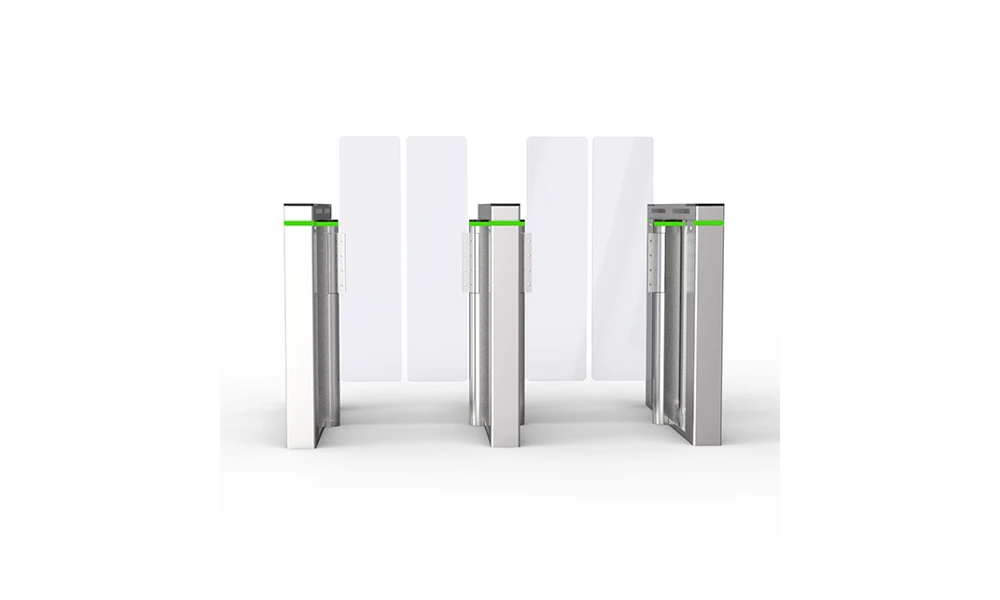
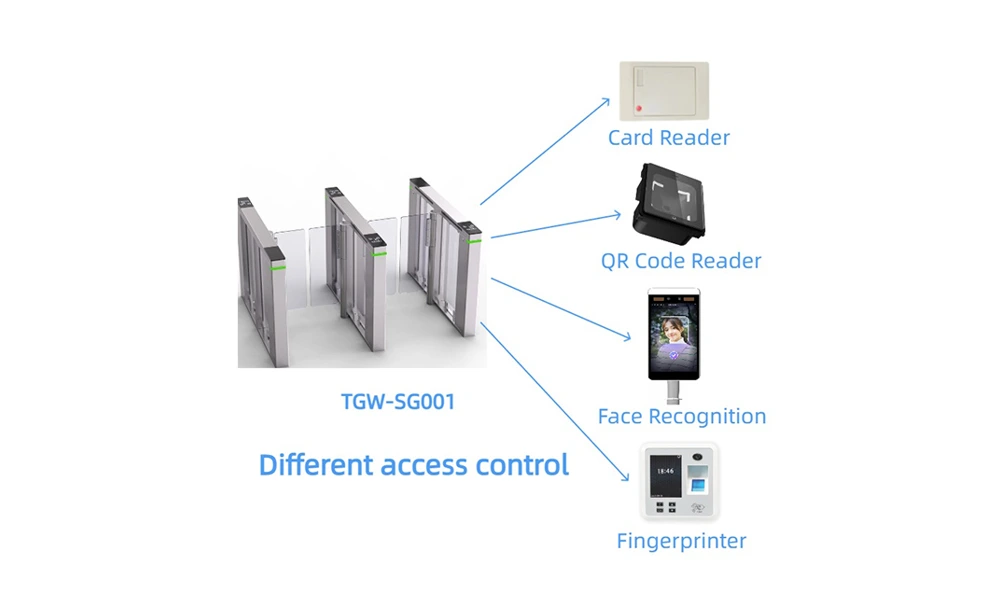
For a speed-lane proposal, our TGW-SG001 speed turnstile provides a concrete model to discuss. Ask for its proposed sensor configuration and passage settings. Keep those details with the quotation, so the demonstration and the supplied lane refer to the same arrangement.
Now imagine a bag crossing a detection point before its owner. The controller has a signal, but the signal is not a name or a credential.
This is why the demonstrator should explain the interpretation of the sequence separately from the access system’s decision about who is permitted to enter.
A lane sketch helps make the sequence visible. Mark the credential presentation point and the areas involved in detecting passage. Ask where the proposed configuration considers the journey complete.
You do not need the supplier’s proprietary algorithm to agree what the operator should see during an accepted entry.
How does permission relate to a detected passage?
Follow one authorized entry from the reader. A credential is presented, a permission decision is made and the lane receives the release. The person then moves through.
Ask the demonstrator to show the point at which this configuration finishes that passage and becomes ready for the next user.
Look at the device labels beside the event timestamps. The reader, lane and management system may contribute different parts of the record. If only the card event reaches the operator screen, write that down.
It changes what the operator can conclude from a report of accepted credentials.
Try this hypothetical journey in the discussion: an employee taps a valid badge and steps away for a forgotten bag. The authorization happened; the crossing did not.
Ask the supplier to show the unused permission expiring, and explain which number, if any, increases on the operator’s report.
The opposite problem appears when someone follows an authorized user. A credential grant can be valid while the subsequent movement violates the intended one-person passage. Whether the lane detects that condition depends on its sensing layout, settings and the demonstrated circumstances.
| Event | What the buyer should establish |
| Permission granted | Which device authorizes the selected direction? |
| Entry started | Which observation starts the passage sequence? |
| Passage completed | What event ends or consumes the permission? |
| Permission expired | What happens when nobody proceeds? |
| Additional movement | What alarm or record can the proposed lane produce? |
A counter on the screen needs a definition. Ask what single event makes it advance, then watch that event during the demonstration. A release count can be useful, as can a completed-passage count.
Trouble starts when the buyer expects the second and the supplier has demonstrated only the first.
What can cause an alarm in the lane?
During the agreed demonstration, include an alarm the operator will recognize in daily use. What appears when someone approaches from the wrong end? Does the indication distinguish that from a prolonged pause?
The staff response depends on the information provided, so retain the actual indication instead of simply writing alarm worked.
For a quoted tailgating function, let the supplier define a safe demonstration and observe the spacing used. Record what happened under that condition.
A second person following very closely is not the only possible pattern at a busy lane, and a single demonstration leaves the other patterns untested.
List the luggage your entrance sees. A visitor pulling a suitcase is a better test brief than a generic pedestrian symbol on a drawing.
Let the supplier explain which movements it can demonstrate safely with that item, and keep the untested movements on the observation sheet for later resolution.
A customization enquiry can describe an unusual lane or visitor movement before a configuration is selected. Include the geometry and the required response.
Wait for the technical answer and agreed demonstration scope; an enquiry is a request to assess the requirement, not evidence that it is already supported.
Ask the demonstrator to distinguish a permission alarm from a protective response. Staff may hear or see an indication in either situation, but need different instructions. Any check near moving panels must follow the supplier’s procedure under qualified supervision.
Do not improvise a pinch test with a person’s hand or body.
Consider the desk receiving the alarm. If nobody is stationed at the lane, who notices it and what information reaches them? Have the supplier show the offered local indication or remote event.
A sound heard during a sales demonstration does not explain how an unattended entrance will be managed.
What should a demonstration show?
Begin with ordinary passage in each intended direction. Record the permission event, panel movement, detection event and final ready state. Have the supplier explain the sequence while the observer notes what actually appears in the interface.
One useful test involves doing nothing after presenting a valid credential. Let the permission window expire, then make a fresh authorized attempt. Observe the ready state and the operator record.
The point is to see how this configuration handles an unused grant, without assuming that every accepted badge represents an arrival.
Give pauses and direction changes their own agreed test procedure. The supplier’s responsible personnel should conduct those movements and explain the result. Keep emergency and protective-function checks under qualified control too.
Acceptance needs prescribed, repeatable checks, not an observer trying to surprise or force the moving mechanism.
Nuestra soporte técnico channel can help discuss a suitable demonstration for the proposed arrangement. Keep the settings used with your observations. A later change to a timeout or operating mode can otherwise leave you trying to reproduce behavior from a configuration that no longer exists.
Include the operator in the demonstration instead of ending it when the alarm sounds. Have them identify the lane and use the agreed recovery procedure. Record whether normal service resumes.
This part is easy to omit when everyone is watching the hardware, yet it is part of the entrance’s working routine.
Use one observation sheet per scenario. Write the expected event before the test, then add what was actually displayed and any evidence export. An item discussed but never demonstrated stays untested on that sheet.
This keeps the acceptance record useful without turning a supplier explanation into a claimed test result.
Which detection details belong in the specification?
Write the final requirement around the named model and its lane arrangement. List the directions, credential method and the events required on the operator screen.
An authorization, an unused grant and a completed passage should each have the meaning agreed during the demonstration, wherever the proposed system exposes them.
Carry the visitor scenarios into the acceptance schedule. For each, preserve the expected event and the indication staff should receive.
That keeps a requirement such as entry with luggage attached to something observable, while leaving the supplier room to state the configuration’s limits before an order is accepted.
State who owns the settings after handover. A facilities team should know which changes require supplier assistance and which records to preserve before altering a timeout or passage mode. Retain the accepted configuration with the demonstration results.
A useful acceptance decision is specific: this configuration produced these events during these agreed scenarios. It leaves room to identify limitations and arrange staff supervision where needed. Broad labels such as intelligent detection cannot replace that record.
Para un discusión del proyecto, send the lane sketch and the small set of movements you need the entrance to distinguish. We can use that brief to discuss an appropriate product and demonstration scope before you approve the detection arrangement.