
Urban mobility has experienced significant technological advances in recent years, but one problem persists: locating parking in city centers remains frustrating. As city populations expand, infrastructure growth lags behind, and traditional parking methods continue to show inefficiencies, which means drivers encounter daily hassles while moving through crowded lots and roads. Consequently, this leads to lost time, higher emissions, and reduced income for local shops.
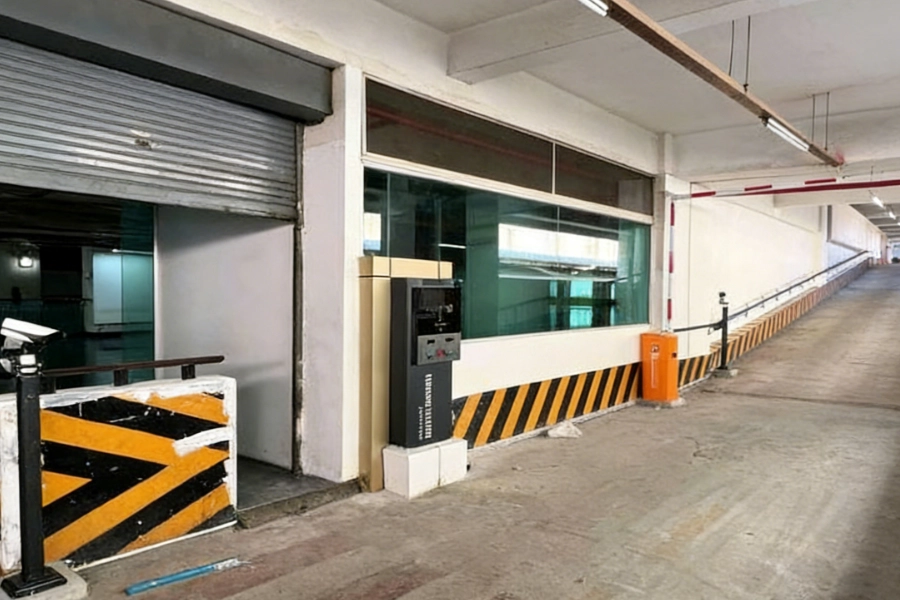
TigerWong stands as a top worldwide supplier of smart parking tools. With more than 25 years in the field and clients across over 154 nations, TigerWong focuses on ALPR/ANPR parking setups, smart entry controls, and unified parking oversight platforms. Their wide range of items covers license plate detection systems, RFID card entry, barrier arms, direction screens, and strong management programs. TigerWong goes beyond manufacturing by providing full OEM adjustments, expert help, and flexible options suited to specific site demands.
Urban Parking Challenges in 2026: Persistent Issues Despite Technological Progress
Even with the spread of electric cars and smart city efforts, problems with urban parking grow worse.
Increased Vehicle Density in Urban Cores
City populations keep climbing, and car numbers rise along with them. High-density housing and business areas expand without enough new parking spots to match. As a result, drivers face a high number of vehicles per available space, which pushes them into lengthy and annoying hunts for spots.
Inefficiencies in Traditional Parking Management
Old parking setups rely on hand-done tickets, on-site workers, and worn-out sensors, which often fail to gather data in real time or connect across systems. Because these methods work in isolation without linked feedback or central oversight, sites end up with low use of spaces and long waits at entrances. Manual processes and old equipment cause delays, and they harm user satisfaction while raising daily operations costs.
Environmental and Economic Costs of Poor Parking Systems
Time wasted hunting for spots raises idle engine hours and pollution levels, which harms air quality and adds to city expenses for handling traffic jams. At the same time, poor parking options cut down visitor numbers in shopping areas, which damages nearby commerce.
The Role of Smart Parking Systems in Solving Urban Parking Problems
Smart parking tools change how cities handle scarce spaces by adding automation, instant insights, and smooth connections.
Real-Time Space Detection and Availability Monitoring
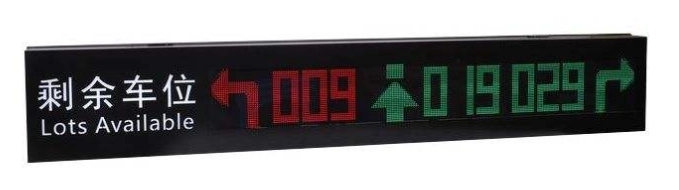
Sensor networks and AI cameras placed throughout sites deliver current details on open spots. TigerWong’s TGW03-E serves as a parking spot display panel built for lots, where it employs three clear screens to show remaining spaces in each section live and in sync. Such an approach cuts search duration, eases inside flow issues, and raises space turnover rates.
Automated Access Control and Payment Integration
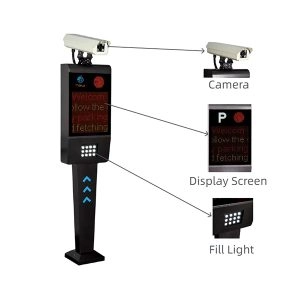
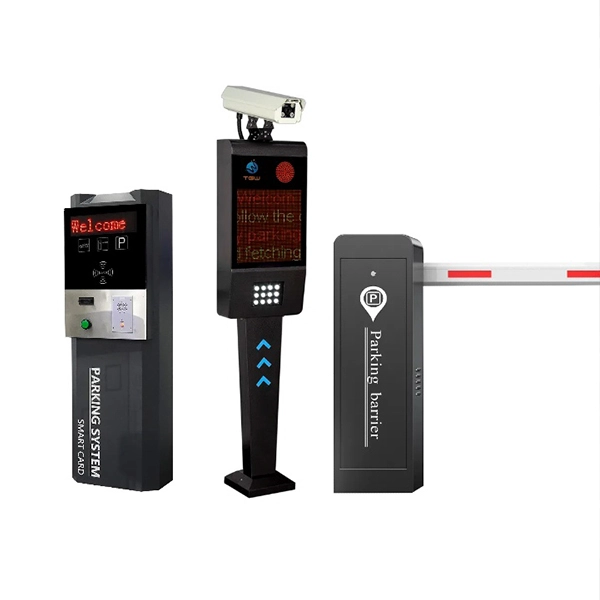
Systems like the ANPR/ALPR Parking System – TGW-LDV4 enable quick, touch-free entry and exit through number plate detection. The TGW-LDV4 represents a modern plate recognition setup for vehicle entry and parking oversight, featuring accurate ANPR/ALPR cameras, swift detection rates, and easy links to barriers and fee systems. RFID entry options build on this efficiency as well, since the RFID Card Parking System – TGW-TBCE allows repeat users to pass via tags or cards. It includes features like auto card dispensing, reading, audio alerts, and light displays, making it suitable for office sites or housing areas.
Centralized Data Analytics for Traffic and Occupancy Optimization
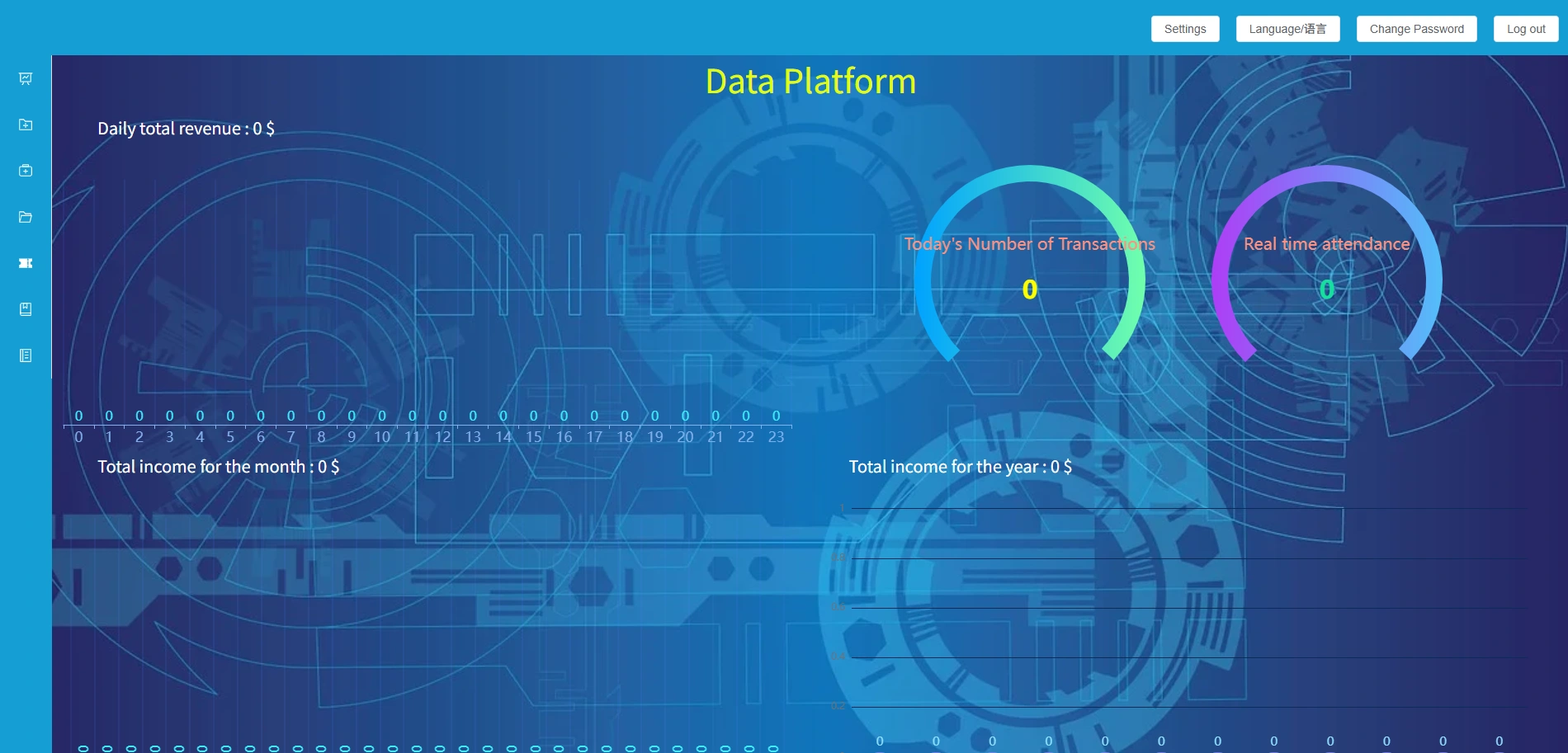
A strong central system proves key for handling spread-out devices and studying use trends. The Software – TGW-ParkSFW-TS supplies these capabilities through live monitoring, report features, and ties to devices such as barriers and detectors. Moreover, it links via APIs to outside tools like urban panels or phone payment services.
TigerWong Smart Parking Solutions: Bridging the Gap Between Demand and Technology
TigerWong Technology delivers a broad set of products that fit current city needs with well-made hardware and smart programs.
ANPR/ALPR Parking System – TGW-LDV4 for Seamless Entry Management
This setup grabs plates at gates using AI cameras on its own. It handles recognition outputs and runs data reviews via software, which suits places like stores or flight hubs.
RFID Card Parking System – TGW-TBCE for Efficient User Identification
Aimed at regular visitors, this tool provides rapid RFID checks at barriers. Steady users scan VIP cards to enter, whereas short-term ones grab tickets from dispensers for access. When paired with other TigerWong items, it improves full system performance.
Barrier Boom – Tiger-PB910S for Durable Physical Access Control
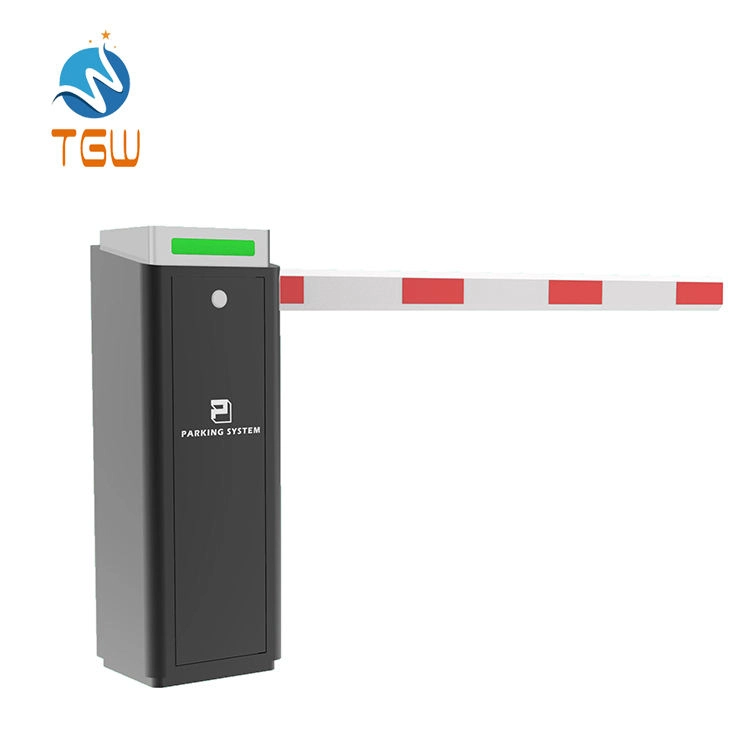
The Barrier Boom – Tiger-PB910S manages vehicle flow with quick arm shifts from 1.2 to 6 seconds based on size. Its built-in floor sensors and bounce-back mechanics stop harm to cars or people, which ensures safe and fast operations.
Enhancing User Experience Through Intelligent Guidance and Software Integration
Modern direction screens guide drivers well, while central programs oversee gear status and fee reports.
Parking Guidance System – TGW03-E for Space Navigation Efficiency
Active LED signs cut search times sharply. Vehicles coming from various paths get precise spot data fast, which leads to better visitor approval and even inside movement.
Software Platform – TGW-ParkSFW-TS for Centralized System Management
This program offers one control point for multiple sites through a main panel. Though standard in form, it allows setup changes for typical devices and charge rules, so it adapts to varied setups in stores or health centers.
OEM Customization and After-Sales Support from TigerWong Technology
TigerWong handles brand tweaks and tech changes via custom OEM work, supported by round-the-clock online teams. Training resources help with easy rollout in worldwide uses.
Strategic Benefits of Implementing TigerWong Smart Parking Systems in 2026 Cities
Putting in a full smart parking setup from TigerWong brings clear gains.
Optimized Space Utilization Across Urban Infrastructure
Smart matching lowers wait times per car, which lets sites serve more people without adding room. Facilities thus use areas more effectively in tight city settings.
Reduced Operational Costs Through Automation
Auto features drop staff needs and speed up gate use with plate or RFID checks. Overall, this boosts daily handling while cutting expenses.
Enhanced Sustainability Outcomes Aligned with Smart City Goals
Less hunt time equals lower pollution from vehicles. These changes match city plans for cutting carbon and building green frameworks.
Future Outlook: Scaling Smart Parking as a Core Component of Urban Mobility Strategies
Cities seek linked transport networks, so growth potential and compatibility matter greatly.
Interoperability with Broader Smart City Ecosystems
TigerWong tools prepare for API ties to future links like EV charge points, shared ride spots, or bus systems. Such readiness supports wider urban tech blends.
Scalability Across Diverse Facility Types
Modular builds in their products allow setups in varied places like airfields, schools, clinics, or trade zones. Expansion thus fits different scales and needs.
Continuous Innovation from Industry Leaders like TigerWong Technology
Started in 2001 in Shenzhen, China, TigerWong holds over 25 years in parking tech. Steady research spending keeps them set for changing city transport demands.
FAQ
Q1: How does license plate recognition improve parking efficiency?
A: It automates entry/exit by identifying vehicles instantly without stopping for tickets or cards, reducing delays and manual errors.
Q2: Can TigerWong’s systems work during network interruptions?
A: Yes. The software has an offline ticket verification mode to ensure uninterrupted operation during connectivity issues.
Q3: Is it possible to integrate these systems with third-party platforms?
A: Yes. Provide API/RS485/Ethernet interface, compatible with mainstream systems for interoperability across different platforms.
Q4: What kind of support does TigerWong offer post-installation?
A: TigerWong provides online group chat support, remote assistance via computer access, as well as optional on-site guidance services.
Q5: Can I customize the appearance or functionality of the hardware?
A: Yes. TigerWong supports OEM customization including logo printing, color changes, and functional module adjustments based on client needs.