
Choosing appropriate access control equipment requires consideration beyond merely selecting a robust-appearing barrier. In managing areas with substantial traffic flow, such as underground rail terminals, fitness facilities, or office reception zones, essential components must integrate mechanical resilience with intelligent processing. Dependable protection originates from a thorough understanding of how these mechanisms endure routine pressures. TigerWong positions itself as an experienced leader in this domain, offering more than 25 years of proficiency in parking and foot traffic management across over 155 nations. Their expansive 4,000 square meter production site, combined with a committed research and development group, enables them to create rather than simply construct assemblies. Whether the requirement involves a basic configuration or intricate OEM/ODM customization, their 15 years of dedicated turnstile production knowledge guarantees that each element and circuit adheres to international benchmarks. Moreover, their professional support team stands prepared to provide on-location technical assistance if the initiative necessitates such intervention. This comprehensive approach ensures seamless project execution.
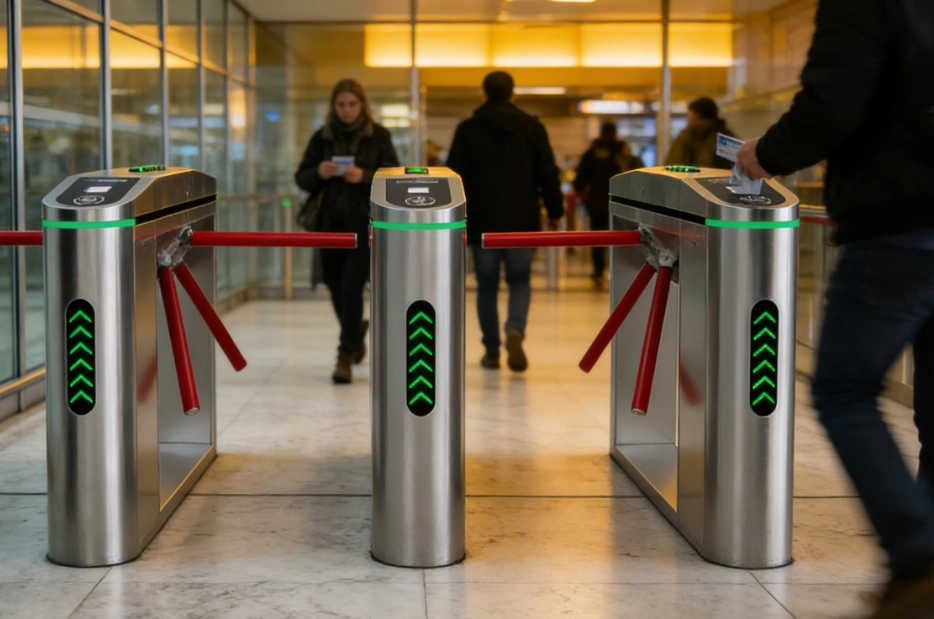
Principle 1: Structural Integrity and Material Precision for Harsh Environments
The outer shell of a tripod turnstile functions as its primary shield against physical contact and climatic deterioration. Inferior metals may appear satisfactory in display settings, yet they succumb rapidly to persistent moisture in seaside recreational areas or to forceful handling in manufacturing zones. To assess longevity, one must evaluate the alloy quality and the enclosure’s gauge, determining if the barrier retains its polished appearance after three years of continuous operation. Such evaluations highlight the need for materials that withstand prolonged exposure.
Marine Grade Stainless Steel Selection
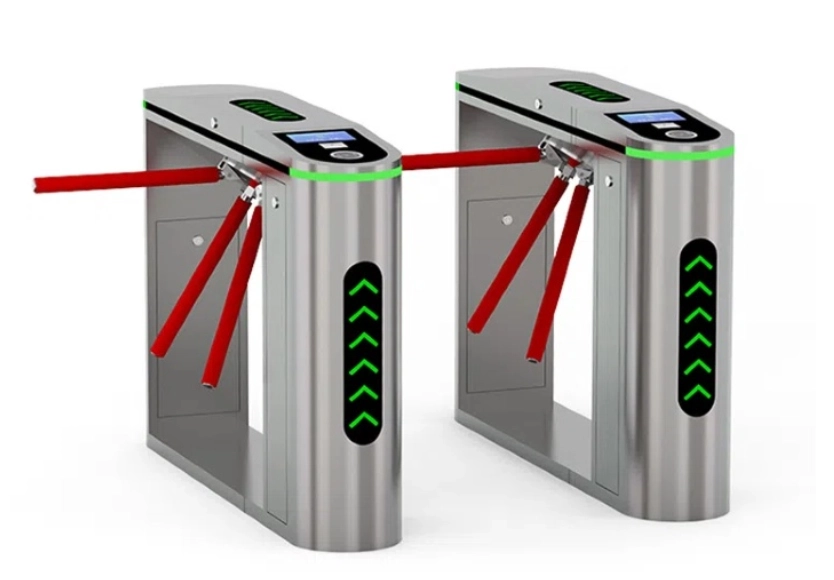
Superior configurations, including the Tripod Turnstile Gate – TGW-TT010, employ SUS304 stainless steel, which accommodates intensive utilization and adverse conditions without corrosion or surface damage. For installations adjacent to coastal regions, alternatives advance to 316 grade for enhanced resistance. The selection extends beyond aesthetic appeal. It encompasses the enclosure’s robustness, which averts deformation from impacts like those from laden luggage. These attributes ensure sustained structural performance in diverse settings.
Internal Mechanical Load Capacity
The integrity of the inner rotational base bears the primary burden. A reliable barrier features strengthened connection areas where the extensions join the core axis. If the framework lacks solidity, the extensions may droop over time, leading to misalignment in the securing system. Manufacturers apply precise laser fabrication to achieve flawless assembly without any play. This precision maintains alignment and operational efficiency throughout extended service periods.
Principle 2: The Core Motor Drive and Control Logic Stability
The effectiveness of a turnstile depends on its propulsion unit and the processing panel that directs its securing actions. Abrupt motions lead to user dissatisfaction and accelerate component degradation. Reliability stems from the manner in which the apparatus deciphers inputs from detection devices and converts them into fluid mechanical turns. These processes form the foundation for consistent performance in high-volume environments.
Brushless Motor Efficiency Metrics
The Tripod Turnstile Gate – TGW-TT011 exemplifies contemporary propulsion technology, frequently certified for 5 million error-free operations. Brushless motors operate at lower temperatures and with reduced noise compared to traditional brushed types. Since they eliminate components subject to abrasion, the servicing schedule extends considerably, thereby minimizing costs associated with professional interventions over the equipment’s duration. This design choice promotes economic viability in long-term deployments.
Advanced Control Board Algorithm
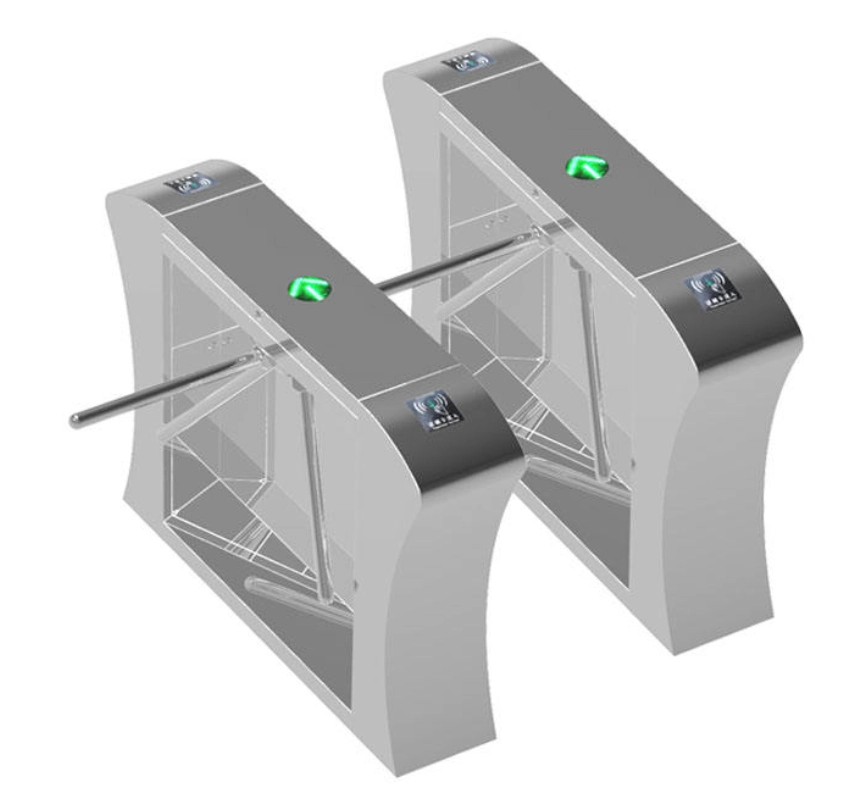
The central circuit serves as the intelligence hub managing functions from intrusion prevention protocols to crisis alerts. Effective panels suppress electrical interference from the source, preventing erratic behaviors such as unintended releases. This dependability proves essential in scenarios involving thousands of daily passages, where system interruptions during peak periods could disrupt operations significantly. Consequently, robust algorithms enhance overall site security and flow management.
Principle 3: Safety Response and Emergency Fail-Safe Mechanisms
Safety constitutes not merely an attribute but a mandatory obligation in numerous regions. One must understand the precise responses to electrical failures or activation of evacuation signals. A barrier that remains engaged during crises poses substantial risks. Premium systems emphasize user considerations by incorporating manual overrides that function independently of power sources. These mechanisms align with regulatory frameworks to protect occupants effectively.
Automatic Drop-Arm Power Failure Protocol
Conventional expert models integrate a system whereby the extension retracts spontaneously in urgent situations. This arrangement facilitates unobstructed evacuation routes without requiring personnel to disengage each passage manually. The protocol relies on basic gravitational engineering, ensuring activation upon any power interruption and offering reassurance to facility overseers. Such reliability underscores the importance of intuitive design in emergency contexts.
Anti-Collision and Anti-Entrapment Buffering
Upon completion of a passage, the extension ought to resume its resting state without abrupt impacts. Embedded absorbers or cushions mitigate this motion energy. This safeguards the transmission elements from sudden jolts and averts injuries to subsequent users from errant movements. The result creates a refined interaction that elevates the perception of quality among participants. Overall, these features contribute to safer and more comfortable usage.
Principle 4: High-Speed Signal Processing for Seamless Access Control
Delays at entry points undermine efficiency and irritate visitors. The rapidity with which the barrier interprets an approval from identification tools like cards or biometric scanners presents a significant engineering challenge. Any postponement exceeding a fraction of a second prompts collisions with the barriers prior to disengagement. Addressing this lag is crucial for maintaining smooth throughput in busy locales.
Multi-Protocol System Compatibility
Current barriers must communicate across varied platforms. Integration with technologies such as RFID, barcodes, biometrics, or facial verification demands effortless connectivity. The Tripod Turnstile Gate – TGW-TT012 accommodates multiple ports including USB, RS485, and RJ45. This adaptability permits incorporation into existing protection infrastructures without the need for costly intermediaries. Such versatility streamlines upgrades and expansions in security setups.
Real-Time Data Feedback Integration
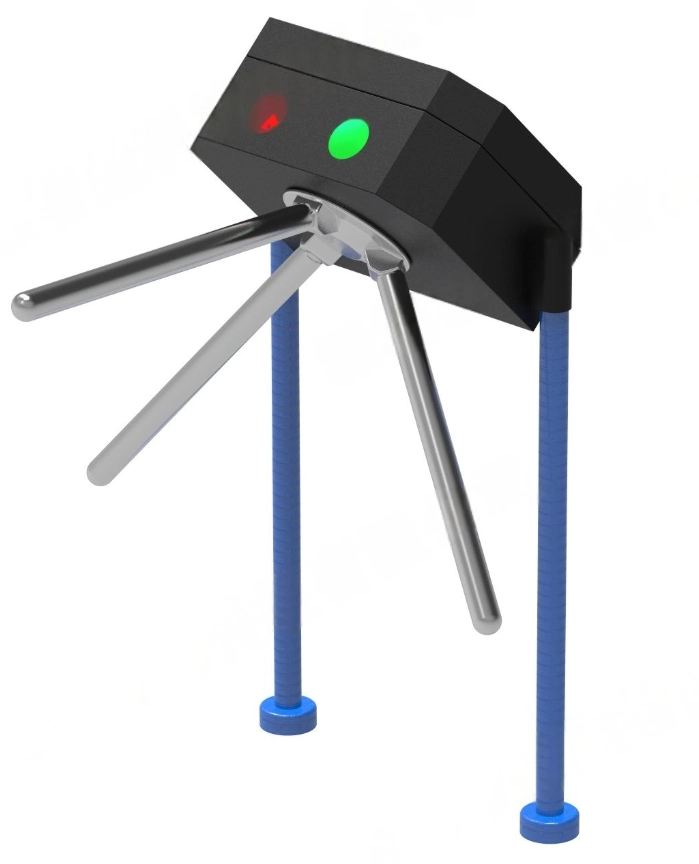
Monitoring occupancy within a structure holds equal importance to granting entry. Advanced regulators deliver immediate responses to administrative programs. This capability supports continuous oversight of movement patterns. Detection of illicit access efforts prompts alerts or dispatches to monitoring stations without delay. These functions fortify protective measures and enable proactive management.
Principle 5: Ingress Protection and Weatherproofing Standards
Particulates and liquids threaten electronic integrity. For external placements, the ingress protection classification represents the critical metric. Although a barrier may seem enclosed, without dedicated seals and runoff channels, fluids will infiltrate the propulsion or interface components over time. Proper construction prevents such vulnerabilities and ensures enduring functionality.
IP65 Rating Structural Design
An IP65 classification signifies defense against particulates and directed water streams from all angles. This benchmark defines excellence for external tripod barriers. Elements like inclined surfaces for water diversion and protected conduits maintain dryness of inner parts amid intense precipitation. These considerations guarantee resilience in variable weather conditions.
Thermal Management for Outdoor Operation
Intense warmth may damage circuitry, whereas severe chill can thicken fluids in the propulsion unit, impeding motion. Leading producers construct devices to tolerate broad thermal spans, typically from -20°C to 70°C. In extreme cases, they incorporate compact heating or ventilation devices to sustain optimal internal conditions. This regulation preserves performance across seasonal fluctuations.
Strategic Sourcing: Why TigerWong Is Your Trusted Turnstile Partner
Acquiring a barrier constitutes a sustained commitment. One seeks a collaborator familiar with diverse deployment challenges and equipped to resolve them. TigerWong’s technical department supports all phases from preliminary setup to enduring operational advice. Their involvement with more than 10,000 clients globally provides an extensive repository of frequently asked questions and resolutions. This expertise allows administrators to concentrate on core activities while delegating technical concerns.
Frequently Asked Questions Regarding Tripod Turnstile Selection
Q1: How long do high-quality tripod turnstiles last?
A: A well-maintained unit with a brushless motor can easily last over 5 to 10 years, with some mechanical components rated for 5 million cycles before needing major service. Regular upkeep extends this duration further.
Q2: Can these gates work with third-party software?
A: Yes, most professional turnstiles use standard Wiegand or RS485 interfaces, allowing them to integrate with almost any third-party access control or ticketing software. This compatibility facilitates broad system compatibility.
Q3: What maintenance is required for daily operation?
A: You should periodically check the arm tension, clean the stainless steel with a non-abrasive cleaner, and ensure the emergency drop-arm function is triggering correctly. These steps promote consistent reliability.
Q4: Is the tripod turnstile suitable for outdoor use?
A: It depends on the IP rating. Models with an IP65 rating and SUS304 stainless steel are specifically designed to handle rain, dust, and sunlight in outdoor environments. They withstand elemental exposure effectively.
Q5: Why choose TigerWong over standard market options?
A: With 25 years in the industry and a presence in 155+ countries, they offer a level of R&D, customization, and global technical support that smaller, generic suppliers simply cannot match. Their depth ensures superior outcomes.