
A calm office setting forms a key need for top clients, but the steady mechanical rattle from an old entry device often breaks that business mood. Running a busy entry area calls for a careful mix of safety pace and sound ease. To keep a real upscale work space, you require gear that does its task without signaling each turn with a metal creak.
TigerWong has worked over 25 years to perfect this mix. Their large 4,000 square meter plant and record of aiding clients in 155+ countries mean they do more than build barriers. They craft quiet movement options. If you seek a basic unit or full OEM/ODM customization, their design group creates parts that blend well into current office looks. Their About Us page highlights a path from basic card tools to new AI-based walker setups. This shows they lead in practical building tech.
Why Mechanical Noise Disrupts Modern Office Productivity
Workplace sound goes beyond a simple bother. It hits the seen worth of your site directly. When a barrier gives a quick snap or rough noise each time a card passes, it points to poor upkeep or weak construction.
Acoustic Impact on Workplace Concentration
Staff in open entry zones or close desks face issues when steady machine sounds mark their routine. The ongoing motor rub forms a steady pressure that cuts attention levels.
Negative First Impressions for Premium Tenants
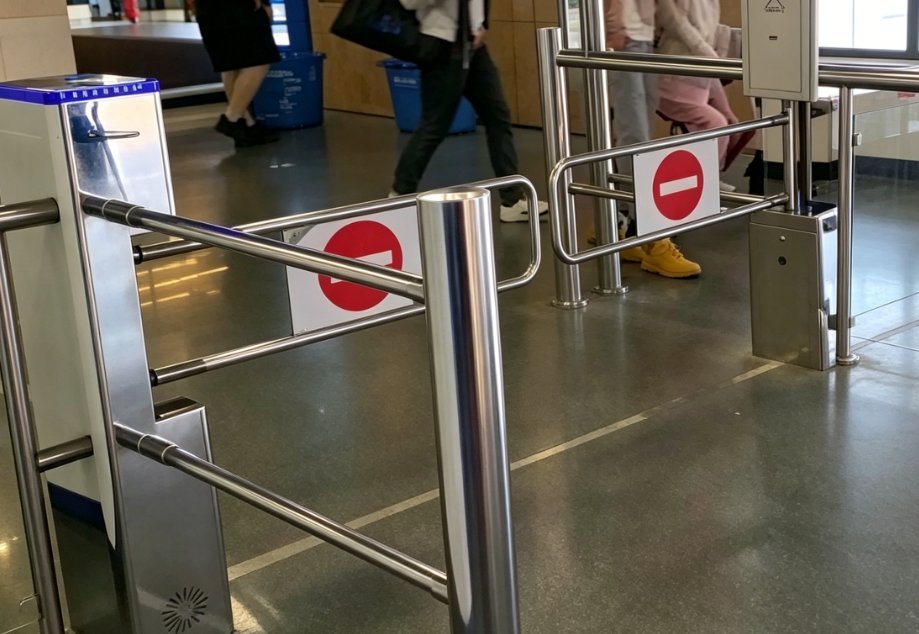
The entry point shapes the full site feel. If a visitor enters and catches a loud, rough three-arm barrier, the fine building style loses its edge right away. This happens due to basic-sounding parts.
Hidden Mechanical Friction and Longevity Risks
Sound often signals parts rubbing against each other. Such rub creates warmth, and that warmth causes piece breakdowns. Overlooking a creaky barrier basically means waiting for a full stop in the early week crowd.
Anatomy of a Silent Turnstile System
Quiet work does not happen by chance. It comes from picking better inside parts that focus on even motion rather than cheap build methods.
High Precision Brushless Motor Technology
TigerWong picks brushless motors since they cut the touch spots that often wear out and cause sound. These motors stay cooler and softer than standard brushed types in low-cost units.
Advanced Shock Absorption and Dampening Materials
Good barriers have inside rubber pads and soft mounts. These minor parts take in the shakes before they spread through the steel case and ring in the entry space.
Intelligent Control Logic for Smooth Deceleration
Parts form just part of the effort. The program must guide the barrier to ease off before reaching the end point. This “soft-stop” option avoids the sharp hit noise seen in past, simpler setups.
Performance Comparison Between Common Access Solutions
Picking the proper barrier for an office ties to your flow volume and quiet needs. Various styles create different sound levels on their own.
Swing Gates vs Sliding Barriers in High-End Lobbies
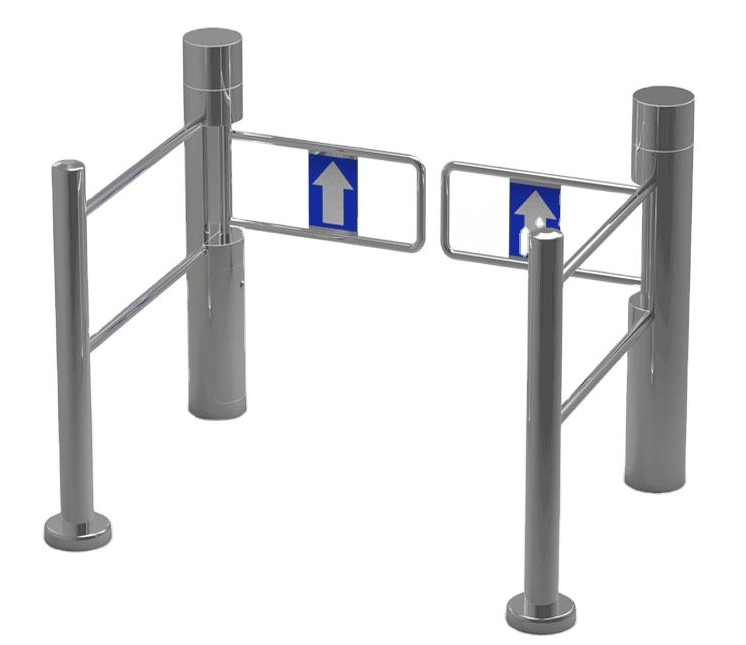
Swing barriers provide the softest route since they shift in a smooth curve. Sliding types may shake on a rail, but a solid swing barrier like the Swing Turnstile Gate – TGW-ST003 works with a faint buzz. This makes it a top choice for leader areas.
Manual Tripods vs Automated Servo-Driven Pedestals
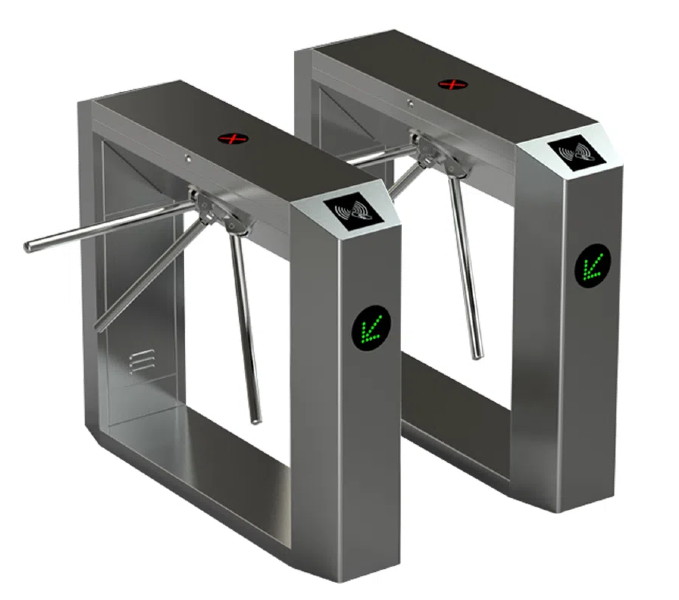
Basic manual three-arm units depend on a spring snap noise. New auto three-arm barriers use servo power to turn the bars ahead for users. Thus, they drop the sharp “clack-clack-clack” from before.
Maintenance Frequency for Different Drive Systems
Belt power setups remain soft but may require more pull fixes. Straight power brushless setups keep quiet for longer stretches without a tech needing to check inside.
Strategic Maintenance Habits to Eliminate Friction
Top gear still needs regular care to remain soft. Basic, steady steps block the pile of dirt and grit that later turns into a sound issue.
Scheduled Lubrication of Core Transmission Joints
Shifting elements require fine oil that avoids extra dirt pull. This task stays easy, yet handling it twice a year keeps the turn fresh.
Firmware Updates for Speed and Torque Optimization
At times, sound stems from the motor straining too much. Refreshing the control software can smooth the power lines. As a result, the bar shift feels more even and less sudden.
Periodic Tightening of Fasteners and Internal Rails
Shakes from countless passes can slacken bolts as time goes on. A fast check to firm the case and inside plates halts shakes early.
Professional Silent Solutions Recommended by TigerWong
To end noise concerns fully, you must pick gear made for the role. TigerWong’s recent range stresses the “low noise, smooth operation” need noted in their service documentation.
TGW-ST003 Swing Gate for Luxury Lobby Aesthetics
This unit suits fine homes and office sites best. It relies on 1.5mm thick SUS304 stainless steel plus a brushless motor. That setup makes the bar halt just right without extra shake.
TGW-TT004 Tripod Gate for Durable High-Flow Silence
For spots like plant doors or active office lowers, the Tripod Turnstile Gate – TGW-TT004 brings a strong frame. It holds steady and soft even at 35 users per minute.
Custom OEM Services for Specialized Acoustic Requirements
If your site faces unique build hurdles or seeks even softer work for a reading room or tech spot, TigerWong gives adaptable changes. They tweak parts and motor plans to meet your exact goals.
Selecting Materials for Long-Term Sound Prevention
The barrier’s outer layer does more than appear nice. It serves as a sound block for the motor and cogs within.
SUS304 Stainless Steel Housing and Vibration Reduction
TigerWong selects fine SUS304 for its thick, rust-proof nature. Slim, low-cost steel shakes like a can, but a firm 1.5mm body keeps sound fully damped.
High-Elasticity Acrylic Arms to Minimize Impact Sound
In swing barriers, the bar stuff counts. When a person hits it, high-elasticity acrylic takes the bump instead of making a loud snap or break.
Corrosion-Resistant Components for Tropical Climate Stability
In areas like Malaysia or the Philippines, damp air can spark inside rust that causes creaks. Picking coated, rust-proof elements makes sure the barrier avoids groans after one wet period.
Frequently Asked Questions About Turnstile Noise Control
Q1: Can old turnstiles be retrofitted for quieter operation?
A: While you can replace some bearings or add rubber dampeners to help, the core noise usually comes from the motor and control board logic. If the motor is fundamentally noisy, a full unit upgrade is often more cost-effective.
Q2: How often should sensor alignment be verified?
A: You should check your optical sensors every three to six months. If they are misaligned, the gate might struggle to find its “home” position, causing it to hunt and stutter, which creates unnecessary noise.
Q3: What is the standard decibel level for office turnstiles?
A: A high-quality silent turnstile should operate below 50 decibels. For context, that is quieter than a normal conversation. If your gate sounds like a vacuum cleaner, something is definitely wrong.
Q4: Does higher speed always mean higher noise levels?
A: Not necessarily. With a high-speed brushless motor, the movement is fast but controlled. Noise usually comes from sudden stops or poor dampening, not the actual speed of the swing.
Q5: What should I do if my gate starts clicking suddenly?
A: Check for loose fasteners first. Often a screw has backed out slightly and is hitting a moving part. If that isn’t it, look at the limit switch or the motor brushes (if you are using an older model). For more specific help, check the TigerWong FAQ section for troubleshooting guides.