
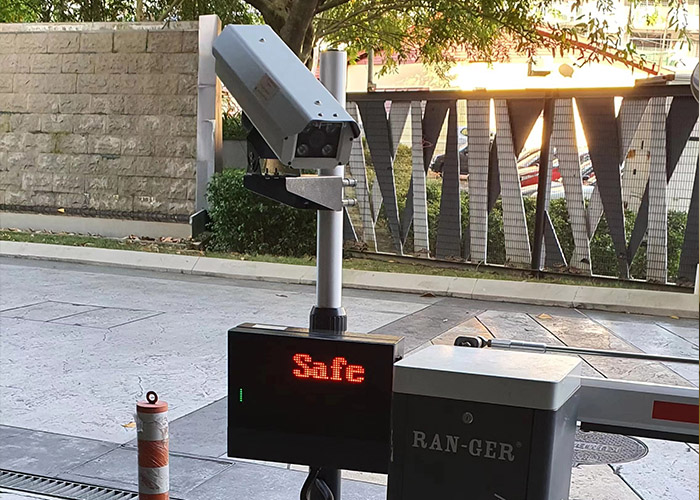

The worldwide movement toward electric vehicles (EVs) represents far more than a passing fashion; it signals a complete transformation in transportation and parking practices. Existing parking facilities were primarily designed for vehicles powered by internal combustion engines, emphasizing basic entry and exit procedures. In the present day, however, a parking area must function as an integrated technological center. If your present arrangement encounters difficulties with delayed identification or fails to differentiate between a vehicle charging electrically and a conventional automobile, then you are probably forfeiting income and irritating occupants.
As you look for a collaborator to manage this change, TigerWong은 emerges as a seasoned professional in the field. Having accumulated more than 25 years of expertise within the sector, the company has progressed from basic ticket mechanisms to sophisticated cloud-supported access control solutions implemented across over 155 nations. Whether the requirement involves a conventional configuration or a tailored OEM project, their technical foundation ensures successful execution. Furthermore, the team delivers 7×24 online support, which proves invaluable during technical disruptions amid peak operational periods.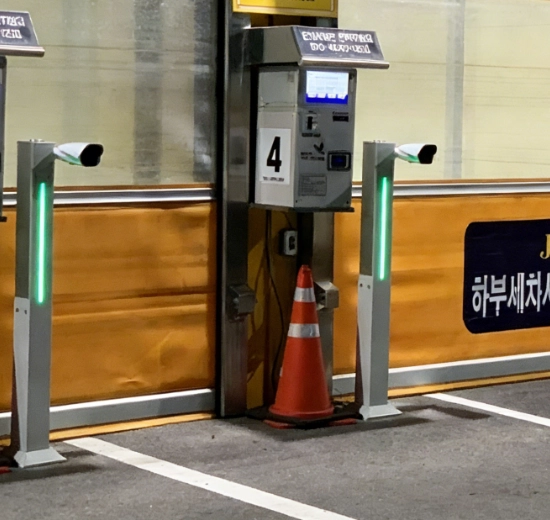
Critical Challenges Faced by Traditional Parking Infrastructure
Conventional parking areas frequently resemble narrow passages that impede smooth progress. Traditional barriers and hands-on verifications result in extended queues, and these problems intensify when drivers of electric vehicles search for designated charging locations. Moreover, these outdated frameworks were not engineered to address the intensive data requirements associated with contemporary mobility solutions.
Inefficient Battery Charging Space Management
Spaces allocated for EV charging constitute valuable assets within parking zones. Without an intelligent framework in place, vehicles not requiring electricity often occupy these areas, which provokes dissatisfaction among users and eliminates potential earnings from charging services. Consequently, establishing a method to determine appropriate vehicle placement becomes essential, thereby avoiding the necessity for extensive security personnel to monitor pathways continuously and ensuring efficient utilization of limited resources.
Increasing Weight Loads of Electric Vehicles
Electric automobiles carry substantial mass due to their integrated battery systems. Although this aspect primarily concerns structural integrity, it also influences the degradation of components such as speed humps, detection loops, and access platforms over time. Inexpensive equipment typically succumbs to this persistent, intense strain within one or two years, leading to frequent replacements and heightened maintenance expenses in demanding environments.
Complex Thermal Management Requirements in Garages
Simultaneously charging several vehicles produces considerable thermal output. If the parking oversight system neglects provisions for ventilation or areas monitored for heat levels, then the potential for device malfunctions increases significantly. Advanced frameworks mitigate this by strategically positioning vehicles throughout the facility, which disperses heat accumulation and safeguards overall operational reliability in enclosed spaces.
Integration of High-Speed ANPR for EV Access Control
Automatic Number Plate Recognition (ANPR) serves as the core mechanism propelling efficient parking operations. By eliminating reliance on tangible tickets, it substantially accelerates vehicle movement. This capability holds particular importance for electric vehicle stations, where users anticipate a technologically advanced and fluid interaction right from their approach to the barrier.
Real-Time License Plate Recognition Accuracy
Operational effectiveness begins with the system’s observational capabilities. Superior imaging devices record license plates in mere milliseconds, even under conditions like precipitation or low visibility. As a result, this averts the congestion phenomenon where a single obscured plate delays an entire sequence of vehicles, thereby maintaining consistent throughput in variable weather scenarios.
Seamless Entry for Pre-Registered Electric Cars
Regular visitors or subscribers on a monthly basis ought not to experience delays. A framework capable of retaining details of habitual electric vehicles enables effortless passage. This arrangement fosters a sense of priority, which enhances user contentment and encourages repeated utilization of the premises, strengthening long-term occupancy rates.
Automated Recognition of Green Energy Plates
Numerous nations presently assign distinctive green-hued plates to electric vehicles. An intelligent computational process can detect these markers without delay. Therefore, it facilitates the automatic granting of concessions or directions to charging sectors for such users, eliminating the need for human oversight and streamlining administrative tasks.
Strategic Advantages of TigerWong TGW-LDV4 in EV Hubs
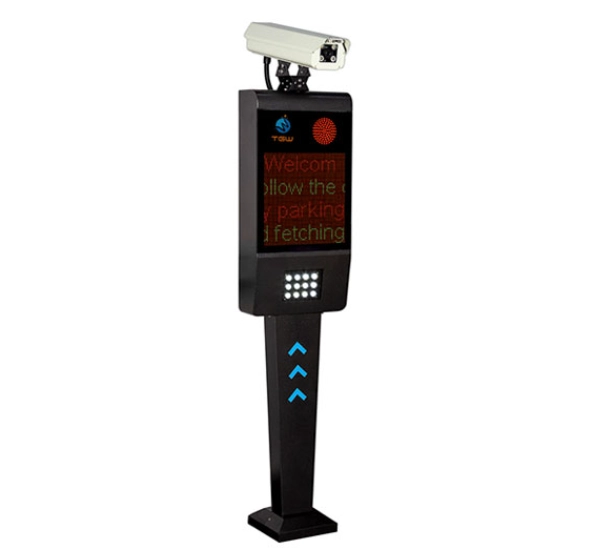
Selecting appropriate equipment often presents a dilemma for facility overseers. The chosen solution must remain relevant beyond the immediate future. The 11/11/2025 – 페이지 2 – TigerWong is engineered specifically for such demanding contexts. Far from being merely an imaging tool, it functions as a comprehensive identification unit.
Advanced Identification Algorithm for Hybrid Vehicles
The LDV4 extends beyond conventional plate detection. Its computational method accommodates identification across more than 130 countries. Whether dealing with hybrid models or fully electric ones, the system ascertains both vehicle classification and plate details with accuracy exceeding 98 percent, which supports diverse global applications and minimizes errors in multicultural parking settings.
Rapid Data Transmission via Cloud Connectivity
The era of cumbersome on-site servers prone to failures during power interruptions has passed. The LDV4 links directly to cloud networks, permitting oversight of the parking area’s condition through mobile devices or computers. This instantaneous information exchange proves crucial for coordinating charging sequences, enabling proactive adjustments to operational demands.
Robust Performance in High-Traffic Charging Stations
Electric vehicle stations commonly encounter intermittent surges in arrivals. The LDV4 is constructed for velocity, handling vehicles promptly to keep lines brief and energy distribution steady. Such performance ensures that facilities operate at peak capacity during peak hours without compromising service quality or user experience.
Specialized Hardware Solutions for Modern Parking Environments
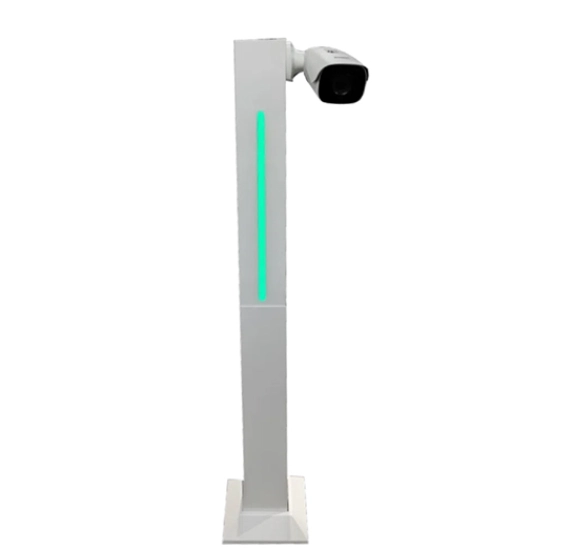
Equipment must demonstrate resilience in parking contexts. There, it confronts emissions, elevated temperatures, and sometimes collisions from inattentive operators. For those seeking a blend of visual elegance and robust construction, the ANPR/ALPR 주차 시스템 – TGW-Stand2 represents a dependable choice suitable for professional installations.
Durability of TGW-Stand2 in Outdoor Settings
Exposed areas pose severe challenges to electronic components. The TGW-Stand2 employs premium substances that withstand corrosion and ultraviolet exposure. Consequently, once installed, it requires minimal attention for extended durations, providing cost-effective longevity in harsh external conditions.
Ergonomic Design for Driver Interaction Points
The positioning and inclination of interfaces play a key role. Operators of low-profile electric vehicles require unobstructed views of the display. This particular model prioritizes user ergonomics, allowing clear visibility of directives or charging information without physical discomfort, which enhances overall interaction efficiency.
All-Weather Reliability for Charging Infrastructure Protection
Inclement evenings often expose weaknesses in budget systems. The TGW components incorporate integrated illumination and optimized optics that penetrate visual obstructions. Thus, the barrier activates consistently, irrespective of external meteorological disturbances, ensuring uninterrupted access and operational continuity.
Operational Efficiency Through Intelligent Management Systems
True innovation resides in the programmatic elements. Overseeing a parking facility should not consume excessive effort. When hardware and software communicate effectively, overseers gain comprehensive visibility into activities. This evolution converts a parking zone from an expense generator into a revenue-producing entity.
Automated Billing for Charging and Parking Fees
Users prefer avoiding multiple payment stations. Merging charges for parking and electric vehicle energy into a single electronic statement revolutionizes the process. It streamlines departure procedures and guarantees compensation for each unit of power consumed, fostering a more user-friendly financial transaction environment.
Dynamic Allocation of Limited Charging Slots
With only a finite number of charging points amid high demand, resource contention arises. Intelligent platforms dispatch notifications to users’ devices upon availability. This approach optimizes equipment utilization and discourages unauthorized occupation of charging areas, thereby maximizing infrastructure value.
Remote Monitoring Capabilities via TGW Software
Physical presence at every location proves impractical. The TGW platform enables manual interventions or distant barrier activations for cases like obscured plates. Accessing this functionality from a central hub or remote workstation conserves substantial time, allowing for efficient distributed management.
Sustainable Value Growth for Global Commercial Property Owners
Committing resources to advanced parking technology extends beyond immediate benefits. It ensures that structures retain competitiveness into 2026 and subsequent years. A facility ill-equipped for electric vehicles risks vacancy in the evolving market landscape.
Enhancement of Overall Property Asset Value
Contemporary occupants, particularly in business-to-business and technology domains, expect intelligent facilities. Incorporating a premium ANPR setup promptly elevates the appeal of commercial properties to discerning enterprises that prioritize operational smoothness, thereby boosting market positioning and investment returns.
Reduction of On-Site Management Labor Costs
A properly functioning system eliminates the need for stationed attendants. Transitioning to automated processes markedly decreases ongoing expenditures. Many clients of TGW observe that the installation recoups its cost primarily through diminished staffing requirements for barrier operations, yielding significant financial efficiencies.
Improved Customer Satisfaction Through Smart Tech
Individuals dislike unnecessary obstacles. When users can access, station, energize, and depart without manual interactions like lowering windows or handling unclean devices, they favor such locations consistently. This straightforward enhancement cultivates allegiance in competitive sectors, supporting sustained patronage.
11/11/2025 – 페이지 2 – TigerWong
Q1: Does the system work in extreme weather like heavy snow or fog?
A: Yes. While extreme conditions can slightly affect recognition rates, TGW algorithms are trained on diverse weather data. The hardware also includes features to maintain clarity in tough environments.
Q2: Can I integrate the ANPR software with my existing payment app?
A: Absolutely. TigerWong provides a detailed API and SDK. This allows your technical team to plug the parking data directly into your current management or payment systems easily.
Q3: What happens if the camera fails to read a dirty license plate?
A: The system includes a manual input function. Your staff can view the live feed and correct the plate number or open the gate remotely, so no one gets stuck at the exit.
Q4: Is there a recurring fee for software updates?
A: Standard updates to keep the software running at peak performance are generally provided for free. If you need highly specific custom features, there might be a separate fee for that development work.