
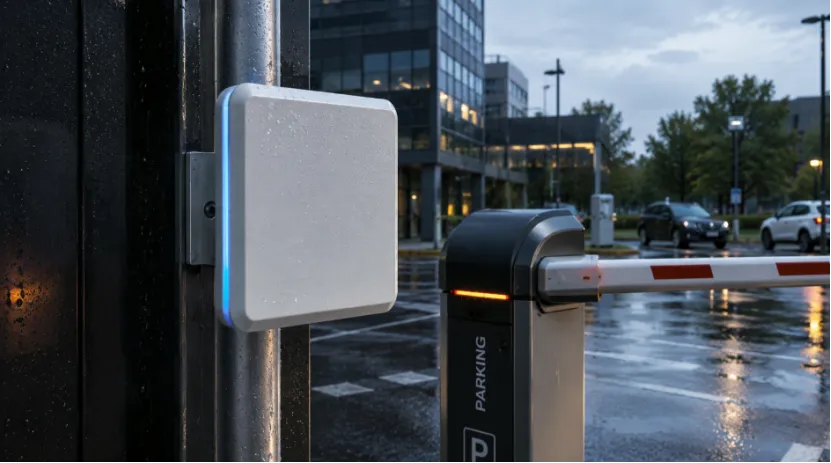
ហេតុអ្វីបានជាអ្នកគួរយកចិត្តទុកដាក់ចំពោះឧបករណ៍អានកន្លែងចតរថយន្ត RFID ក្រៅផ្ទះដែលត្រឹមត្រូវ?
ការជ្រើសរើសមួយ ឧបករណ៍អានកន្លែងចតរថយន្ត RFID ក្រៅផ្ទះ មិនមែនគ្រាន់តែជាការទិញគ្រឿងបរិក្ខារនោះទេ។ វាប៉ះពាល់ដល់ល្បឿនយានយន្តចូល ភាពញឹកញាប់នៃច្រកទ្វាររបស់អ្នកបើកបានត្រឹមត្រូវ និងការងារប៉ុន្មានដែលបុគ្គលិករបស់អ្នកនៅតែត្រូវដោះស្រាយក្នុងអំឡុងពេលម៉ោងមមាញឹក។ នៅក្នុងផ្លូវចតរថយន្តពិតប្រាកដ ពន្លឺព្រះអាទិត្យ ភ្លៀង ទ្វារដែក យានយន្តនៅក្បែរនោះ និងការដាក់ស្លាកខុស សុទ្ធតែអាចផ្លាស់ប្តូរលទ្ធផល។ ដូច្នេះ ឧបករណ៍អានកន្លែងចតរថយន្ត RFID ក្រៅផ្ទះដ៏ល្អបំផុតគឺជាឧបករណ៍ដែលសមនឹងទីតាំងរបស់អ្នក មិនមែនគ្រាន់តែជាឧបករណ៍ដែលមានលេខវែងបំផុតនៅលើសន្លឹកទិន្នន័យនោះទេ។
TigerWong គឺជាអ្នកផ្តល់ដំណោះស្រាយគ្រប់គ្រង និងត្រួតពិនិត្យការចូលចតរថយន្តដែលមានមូលដ្ឋាននៅទីក្រុង Shenzhen ប្រទេសចិន។ ក្រុមហ៊ុនមានបទពិសោធន៍ជាង 25 ឆ្នាំក្នុងប្រព័ន្ធចតរថយន្តឆ្លាតវៃ ជាង 15 ឆ្នាំក្នុងដំណោះស្រាយច្រកទ្វារចូល រោងចក្រទំហំ 4,000 ម៉ែត្រការ៉េ និងបទពិសោធន៍សេវាកម្មនៅទូទាំងប្រទេសជាង 155 និងអតិថិជនជាង 10,000 នាក់។ ផលិតផលរបស់ខ្លួនគ្របដណ្តប់លើប្រព័ន្ធចតរថយន្តឆ្លាតវៃ ប្រព័ន្ធ ANPR ប្រព័ន្ធចតរថយន្តដោយប្រើកាត RFID ប្រព័ន្ធចតរថយន្ត UHF និង Bluetooth ច្រករបាំង ច្រកទ្វារចូល កម្មវិធី និងដំណោះស្រាយទូទាត់។ សម្រាប់អ្នកទិញ នោះជារឿងសំខាន់ ពីព្រោះគម្រោងចតរថយន្តកម្រនឹងឈប់នៅឧបករណ៍អានតែមួយ។ អ្នកក៏អាចត្រូវការកម្មវិធី ការគ្រប់គ្រងច្រកទ្វារចូល ការទូទាត់ ការចេញសំបុត្រ ឬការពង្រីកប្រព័ន្ធនាពេលអនាគតផងដែរ។
ចាប់ផ្តើមជាមួយនឹងការឈឺចាប់ពិតប្រាកដនៃការចតរថយន្ត
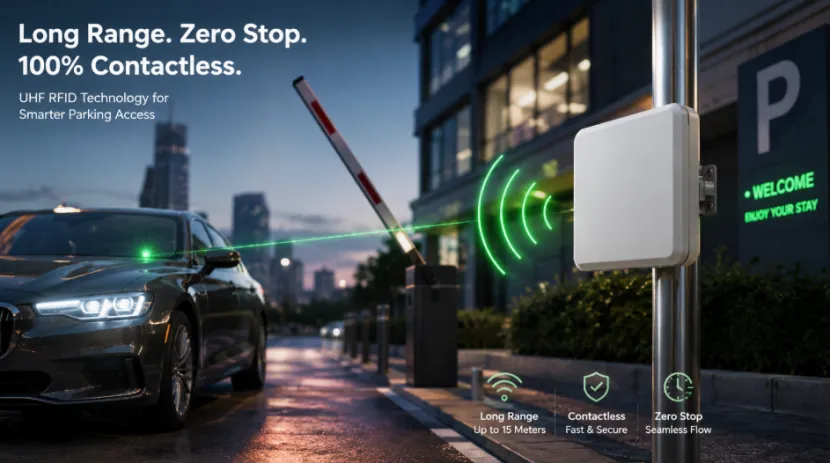
ប្រសិនបើច្រកចូលរបស់អ្នកតែងតែមានជួររង់ចាំនៅម៉ោង ៨:៣០ ព្រឹក បញ្ហាប្រហែលជាមិនមែនគ្រាន់តែជាច្រកទ្វារតែមួយនោះទេ។ វាអាចជាការកំណត់អត្តសញ្ញាណយានយន្តយឺត។ ឧបករណ៍អានចំណត UHF RFID អាចអានស្លាកដែលមានការអនុញ្ញាតមុនពេលរថយន្តទៅដល់របាំង បន្ទាប់មកផ្ញើទិន្នន័យទៅប្រព័ន្ធចំណត។ សម្រាប់អ្នកប្រើប្រាស់ប្រចាំខែ រថយន្តបុគ្គលិក អ្នកស្នាក់នៅ និងរថយន្ត VIP វារក្សាចរាចរណ៍ឱ្យដំណើរការដោយមិនចាំបាច់សុំឱ្យអ្នកបើកបរឈប់ អូស ឬយកសំបុត្រឡើយ។
តើមុខងារក្រៅផ្ទះអ្វីខ្លះដែលអ្នកគួរពិនិត្យមុនគេ?
ឧបករណ៍អាន RFID សម្រាប់ចតរថយន្តសម្រាប់ប្រើប្រាស់ក្រៅផ្ទះត្រូវដំណើរការក្នុងស្ថានភាពលំបាកជាងឧបករណ៍គ្រប់គ្រងការចូលប្រើប្រាស់ក្នុងផ្ទះ។ ឧបករណ៍អានការិយាល័យតូចមួយអាចដំណើរការល្អនៅជិតទ្វារកញ្ចក់។ ដាក់ឧបករណ៍អានខុសនៅក្បែរច្រករបាំងចតរថយន្ត ហើយអ្នកអាចទទួលបានការអានដែលខកខាន ការអានមិនពិត ឬកំណត់ត្រាចូលមិនស្ថិតស្ថេរ។ នោះហើយជាកន្លែងដែលការប្រឆាំងនឹងការជ្រៀតជ្រែក លំនៅដ្ឋាន និងជួរសីតុណ្ហភាពក្លាយជាចំណុចទិញដ៏សំខាន់។
ពិនិត្យមើលប្រសិទ្ធភាពប្រឆាំងនឹងការជ្រៀតជ្រែក
ឧបករណ៍អាន RFID ប្រឆាំងនឹងការជ្រៀតជ្រែកដ៏ល្អគួរតែទប់ទល់នឹងសំឡេងរំខានសញ្ញាពីយានយន្ត រចនាសម្ព័ន្ធដែក ដៃរបាំង និងគន្លងផ្លូវក្បែរនោះ។ TigerWong TGW-5309 ប្រើប្រាស់ដំណើរការសញ្ញាកម្រិតខ្ពស់សម្រាប់ការអនុវត្តប្រឆាំងនឹងការជ្រៀតជ្រែកដ៏រឹងមាំរបស់ឧបករណ៍អាន RFID ហើយថាមពល RF របស់វាអាចលៃតម្រូវបាននៅ 26dbm។ វាជួយអ្នកកំណត់តំបន់អានជំនួសឱ្យការផ្ទុះសញ្ញាគ្រប់ទីកន្លែង។ ទំព័រផលិតផលក៏បញ្ជាក់ផងដែរថា ឧបករណ៍អានអាចទប់ទល់នឹងការជ្រៀតជ្រែកពីបរិស្ថាន និងងាយស្រួលភ្ជាប់ជាមួយប្រព័ន្ធដែលមានស្រាប់។
មើលលំនៅដ្ឋាន និងសីតុណ្ហភាព
ឧបករណ៍អានចំណតរថយន្ត RFID ដែលប្រើប្រាស់បានយូរមិនគួរត្រូវបានជ្រើសរើសដោយគ្រាន់តែតម្លៃនោះទេ។ ផ្លូវខាងក្រៅប្រឈមមុខនឹងភ្លៀង ធូលី រំញ័រ និងកំដៅពីប្រតិបត្តិការប្រចាំថ្ងៃយូរ។ TGW-5309 ប្រើប្រាស់សំបកដែលមានកម្លាំងខ្ពស់ដែលសមស្របសម្រាប់បរិស្ថានដ៏អាក្រក់ ជាមួយនឹងសីតុណ្ហភាពប្រតិបត្តិការចាប់ពី -10℃ ដល់ +55℃ និងសីតុណ្ហភាពផ្ទុកចាប់ពី -20℃ ដល់ +75℃។ ទំហំឧបករណ៍អានរបស់វាគឺ 260mm x 260mm x 60mm ហើយទម្ងន់របស់វាគឺប្រហែល 1.2kg ដែលធ្វើឱ្យវាតូចល្មមសម្រាប់ការដំឡើងផ្លូវចតរថយន្តស្តង់ដារ។
តើអ្នកពិតជាត្រូវការចម្ងាយអានប៉ុន្មាន?
អ្នកទិញជាច្រើនកំពុងស្វែងរក ឧបករណ៍អានកន្លែងចតរថយន្ត RFID ចម្ងាយឆ្ងាយ ពីព្រោះពួកគេចង់ចូលលឿនជាងមុន។ នោះសមហេតុផល ប៉ុន្តែយូរជាងនេះមិនតែងតែល្អជាងនោះទេ។ ប្រសិនបើចម្ងាយអានឧបករណ៍អាន RFID កន្លែងចតរថយន្តធំទូលាយពេក ប្រព័ន្ធអាចនឹងអានយានយន្តនៅក្នុងគន្លងខុស។ ប្រសិនបើវាខ្លីពេក អ្នកបើកបរនៅតែត្រូវបន្ថយល្បឿនច្រើនពេក ហើយអ្នកនឹងបាត់បង់ចំណុចចូលដោយស្វ័យប្រវត្តិ។
ផ្គូផ្គងជួរទៅនឹងការរចនាផ្លូវ
TGW-5309 ផ្តល់នូវចម្ងាយអានចាប់ពី 3–9 ម៉ែត្រ អាស្រ័យលើទំហំស្លាក បរិស្ថានទីតាំង និងការដំឡើងអង់តែន។ ជួរនោះសមនឹងអគារការិយាល័យ រោងចក្រ សហគមន៍លំនៅដ្ឋាន និងចំណតរថយន្តពាណិជ្ជកម្មជាច្រើន។ ឧបករណ៍អានក៏ប្រើអង់តែនរាងជារង្វង់ 9dbi ដែលភ្ជាប់មកជាមួយផងដែរ ដែលមានប្រយោជន៍នៅពេលដែលមុំស្លាកកញ្ចក់រថយន្តប្រែប្រួលពីរថយន្តមួយទៅរថយន្តមួយ។ សម្រាប់ឧបករណ៍អាន RFID ចំណតរថយន្ត ព័ត៌មានលម្អិតតូចតាចនោះសំខាន់ជាងអ្វីដែលមនុស្សគិត។
បញ្ជាក់ការគាំទ្រពិធីការ និងស្លាក
មុននឹងទិញ សូមពិនិត្យមើលថាតើឧបករណ៍អាននេះគាំទ្រស្លាក UHF ទូទៅឬអត់។ TGW-5309 គាំទ្រស្តង់ដារឧបករណ៍អាន RFID ISO18000-6C និងភាពឆបគ្នាជាមួយឧបករណ៍អាន RFID EPC Gen2 ជាមួយនឹងប្រេកង់ EU 865–868MHz និងប្រេកង់ US 902–928MHz។ ស្លាក RFID កញ្ចក់រថយន្តដែលពាក់ព័ន្ធនៅក្នុងមូលដ្ឋានចំណេះដឹងរបស់ TigerWong ដំណើរការក្នុងប្រេកង់ 860–960MHz គាំទ្រ ISO18000-6C/EPC Gen2 ហើយអាចភ្ជាប់ទៅនឹងកញ្ចក់រថយន្តសម្រាប់ការគ្រប់គ្រងការចតរថយន្ត។
តើអ្នកអានអាចដាក់ប្រព័ន្ធចតរថយន្តដែលមានស្រាប់របស់អ្នកបានទេ?
សម្រាប់អ្នកទិញ B2B នេះច្រើនតែជាសំណួរដែលថា ជោគជ័យ ឬបរាជ័យ។ អ្នកប្រហែលជាមានរបាំង ឧបករណ៍បញ្ជា ម៉ាស៊ីនលក់សំបុត្រ ប្រព័ន្ធកាត ឬកម្មវិធីគ្រប់គ្រងចំណតរថយន្តរួចហើយ។ ឧបករណ៍អានដែលមិនអាចនិយាយទៅកាន់ឧបករណ៍ទាំងនោះបង្កើតការងារបន្ថែមសម្រាប់អ្នកដំឡើងរបស់អ្នក និងពន្យារពេលគម្រោង។
ពិនិត្យមើលចំណុចប្រទាក់មុនពេលអ្នកទិញ
សម្រាប់ឧបករណ៍អាន RFID សម្រាប់គម្រោងច្រកទ្វាររបាំង ការគាំទ្រចំណុចប្រទាក់គឺជាចំណុចសំខាន់។ TGW-5309 គាំទ្រ RS232, USB, WG26, RELAY, TCP/IP, POE និង WIFI ជាជម្រើស។ សំណួរដែលសួរញឹកញាប់របស់វាក៏កត់សម្គាល់ផងដែរថា ឧបករណ៍អានអាចផ្តល់ការគាំទ្រ RS232, RS485, TCP/IP, API និង SDK សម្រាប់ការរួមបញ្ចូលប្រព័ន្ធចតរថយន្ត RFID។ នេះមានប្រយោជន៍សម្រាប់អ្នករួមបញ្ចូលប្រព័ន្ធដែលត្រូវការភ្ជាប់ឧបករណ៍អានការគ្រប់គ្រងការចូលចតរថយន្តទៅនឹងកម្មវិធីដែលមានស្រាប់ ការគ្រប់គ្រងរបាំង ឬកម្មវិធីទូលំទូលាយជាងនេះ។ ប្រព័ន្ធគ្រប់គ្រងការចូលចតរថយន្ត RFID.
រៀបចំផែនការដំឡើង និងថែទាំជាមុន
ការដំឡើងឧបករណ៍អានចំណត RFID គួរតែគ្របដណ្តប់លើកម្ពស់ឧបករណ៍អាន មុំ ទទឹងគន្លងផ្លូវ ការផ្គត់ផ្គង់ថាមពល ខ្សែបណ្តាញ ទីតាំងស្លាក និងការពន្យាពេលបើករបាំង។ មូលដ្ឋានចំណេះដឹងក៏កត់សម្គាល់ផងដែរថា ឧបករណ៍អាន UHF គាំទ្រការអានស្លាកច្រើនក្នុងពេលដំណាលគ្នា និងអាចអានស្លាករាប់រយក្នុងមួយវិនាទី ដែលជួយក្នុងអំឡុងពេលចរាចរណ៍មមាញឹក។ យ៉ាងណាក៏ដោយ ការដំឡើងគួរតែត្រូវបានសាកល្បងនៅនឹងកន្លែង។ គ្មានគន្លងផ្លូវចតរថយន្តណាមួយមានឥរិយាបទដូចខិត្តប័ណ្ណនោះទេ។
ហេតុអ្វីបានជាពិចារណា TigerWong TGW-5309 សម្រាប់ការគ្រប់គ្រងការចូលប្រើយានយន្ត RFID ខាងក្រៅ?
ប្រសិនបើអ្នកត្រូវការឧបករណ៍អាន RFID UHF ខាងក្រៅសម្រាប់អ្នកប្រើប្រាស់ធម្មតា TGW-5309 គឺជាជម្រើសជាក់ស្តែងមួយ។ វាត្រូវបានផលិតឡើងសម្រាប់ការគ្រប់គ្រងការចូលប្រើយានយន្ត RFID នៅក្នុងឈុតចតរថយន្តដែលរថយន្តដែលមានការអនុញ្ញាតគួរតែចូលយ៉ាងលឿនដោយមិនចាំបាច់ទទួលសំបុត្រ ឬទទួលកាត។ នៅក្នុងប្រព័ន្ធសំបុត្រ ឬប្រព័ន្ធកាត ស្លាកត្រូវបានភ្ជាប់ទៅនឹងយានយន្តរបស់អ្នកប្រើប្រាស់ធម្មតា។ នៅពេលដែលរថយន្តចូលទៅក្នុងជួរអាន ឧបករណ៍អាន RFID UHF សម្រាប់ប្រព័ន្ធចតរថយន្តអានស្លាក ហើយបើករបាំង។ សាមញ្ញ ហើយអ្នកបើកបរចូលចិត្តបែបនោះ ព្រោះគ្មាននរណាម្នាក់ចូលចិត្តផ្អៀងចេញពីបង្អួចក្នុងភ្លៀងនោះទេ។
សម្រាប់ប្រព័ន្ធចតរថយន្ត RFID សម្រាប់ចំណតរថយន្តពាណិជ្ជកម្ម រោងចក្រ ការិយាល័យ និងសហគមន៍ TGW-5309 ប្រមូលផ្តុំចំណុចទិញសំខាន់ៗ៖ ជួរ 3–9 ម៉ែត្រ ការគាំទ្រ ISO18000-6C/EPC Gen2 អង់តែនរាងជារង្វង់ 9dbi ថាមពល RF ដែលអាចលៃតម្រូវបាន ភាពធន់ខាងក្រៅ ការប្រឆាំងនឹងការជ្រៀតជ្រែកខ្លាំង និងចំណុចប្រទាក់ដែលអាចបត់បែនបាន។ ដើម្បីប្រៀបធៀបវាជាមួយផលិតផលចតរថយន្តផ្សេងទៀត ឬស្នើសុំផែនការគម្រោង អ្នកអាចចូលទៅកាន់... ក្រុមហ៊ុន TigerWong.
FAQ សំណួរ
សំណួរទី 1: តើឧបករណ៍អានកន្លែងចតរថយន្ត RFID ក្រៅផ្ទះល្អបំផុតសម្រាប់ចំណតរថយន្តពាណិជ្ជកម្មគឺជាអ្វី?
ក៖ ឧបករណ៍ដ៏ល្អត្រូវតែសមនឹងទទឹងគន្លងផ្លូវរបស់អ្នក។ វាក៏ត្រូវដោះស្រាយល្បឿនយានយន្តក្នុងស្រុក ច្រករបាំងជាក់លាក់របស់អ្នក ស្លាកប្រភេទផ្សេងៗ និងតម្រូវការកម្មវិធីផងដែរ។ ឧបករណ៍អានចំណត UHF RFID ជារឿយៗដំណើរការល្អសម្រាប់អ្នកបើកបរដែលបានចុះឈ្មោះ។ វាផ្តល់នូវជួរដែលមានស្ថេរភាព និងរារាំងសំឡេងរំខានសញ្ញាបានល្អ។
សំណួរទី 2: តើឧបករណ៍អាន RFID ចតរថយន្តខាងក្រៅអាចអានស្លាកយានយន្តបានចម្ងាយប៉ុន្មាន?
ក៖ TGW-5309 អាចចាប់បានចម្ងាយពី 3 ទៅ 9 ម៉ែត្រ។ ទោះជាយ៉ាងណាក៏ដោយ ចម្ងាយជាក់ស្តែងអាចប្រែប្រួលបាន។ វាពឹងផ្អែកលើស្លាកដែលបានប្រើ ការលៃតម្រូវអង់តែន កន្លែងយានយន្ត និងបរិស្ថានជុំវិញ។
សំណួរទី 3: តើឧបករណ៍អាន RFID អាចដំណើរការជាមួយច្រកទ្វាររបាំងបានទេ?
ក៖ ពិតណាស់។ ណាមួយ។ ឧបករណ៍អាន RFID សម្រាប់ច្រកទ្វាររបាំង ការដំឡើងត្រូវតែភ្ជាប់បានត្រឹមត្រូវ។ រកមើលការគាំទ្រ relay, Wiegand ឬ TCP/IP។ ជម្រើស RS232, RS485 និង API/SDK ក៏ដំណើរការដែរ។
សំណួរទី 4: តើឧបករណ៍អានចំណត UHF RFID ល្អសម្រាប់រោងចក្រដែរឬទេ?
ក: ពិតណាស់។ ឧបករណ៍អានចំណតរថយន្ត RFID ឧស្សាហកម្មសមនឹងទីធ្លារោងចក្រយ៉ាងល្អឥតខ្ចោះ។ វាគ្រាន់តែត្រូវការផ្នែកខាងក្រៅដ៏រឹងមាំ ប្រតិបត្តិការក្រៅផ្ទះរលូន និងការកំណត់អត្តសញ្ញាណយានយន្តដ៏ល្អឥតខ្ចោះក្នុងអំឡុងពេលប្តូរវេនដ៏មមាញឹក។
សំណួរទី 5: តើអ្នកគួរពិនិត្យមើលអ្វីខ្លះមុនពេលដំឡើង?
ក៖ ផ្ទៀងផ្ទាត់មុំរបស់ឧបករណ៍អានជាមុនសិន។ បន្ទាប់មក បញ្ជាក់កម្ពស់ដំឡើង ថាមពល និងតំណភ្ជាប់បណ្តាញ។ ពិនិត្យទីតាំងស្លាក និងតំបន់អាន។ ជាចុងក្រោយ ធានាការគាំទ្របច្ចេកទេសប្រព័ន្ធចតរថយន្តមុនពេលបញ្ចប់ការដំឡើង។