
Managing vehicle identification in busy areas is tough. Automatic Number Plate Recognition (ANPR) systems tackle this with sharp cameras and smart software to spot and read license plates instantly. These setups shine in crowded cities, toll booths, parking lots, and secure zones. For a solid ANPR system that works well in heavy traffic, TigerWong’s solutions are worth a look. With over 20 years in smart parking tech, TigerWong builds hardware and software for tough spots. Their skills cover ALPR/ANPR systems, pedestrian gates, and face recognition tools, all aimed at smoother city movement and safety.
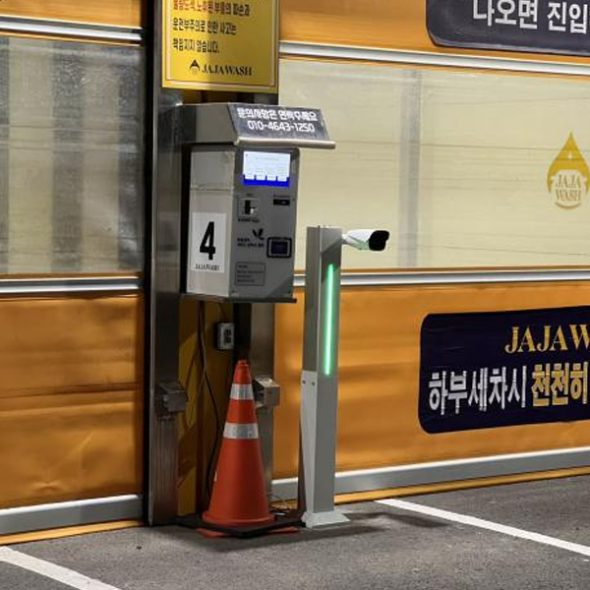
How Do ANPR Cameras Work in Busy Traffic?
ANPR cameras need to stay sharp when cars pile up. Their strength is grabbing visual info fast and pulling out key details, even when things get messy.
Image Processing and Character Reading
The core of ANPR is optical character recognition (OCR). It turns pictures of plates into text a computer can read. License Plate Recognition (LPR) tech uses computer smarts, image tweaks, and fuzzy logic to pick out vehicle details like plates, models, and colors. This lets the system read numbers and letters on all kinds of plates, no matter the style, in real time. For example, a busy toll booth might see plates from different countries, and the system still nails it.
Vehicle Speed and Positioning
In slow or stop-and-go traffic, like at parking gates, getting the car’s position right is key. The system works with speeds up to 80 km/h, so cars don’t need to stop completely. Tools like radar or loop coils trigger the camera at just the right moment. Think of a crowded highway exit where cars inch along; the system still catches every plate cleanly.
Linking with Traffic Systems
ANPR ties into bigger traffic setups for police work or tracking jams. A radar detector spots a car and signals the camera to snap a picture. This teamwork boosts both safety checks and traffic flow. For instance, city cameras might share data to spot a stolen car while also easing congestion.
What Affects ANPR Accuracy?
Good plate reading depends on a few factors that need careful planning in both gear and setup.
Lighting and Camera Setup
Light matters a lot. Infrared lights help cameras take clear shots day or night. If the camera’s angle or distance is off, the whole system suffers. Picture a camera too high up, missing half the plate because of a bad angle. Proper placement keeps things reliable.
Plate Styles and Car Movement
Plates differ by country—fonts, sizes, colors, and languages vary. The system has to handle these while dealing with cars that swerve or speed up suddenly. It can read plates in Chinese, English, Korean, Japanese, and more. A truck might zip by or a motorcycle might weave through; the system still needs to catch the plate.
Weather and Image Noise
Rain, fog, or dust on lenses can blur pictures. Glare from headlights or wet roads adds trouble. Strong hardware and smart software filters are needed to cut through this. For example, a rainy night in a busy city could mess with a weaker system, but good ones keep working.
Why Is Heavy Traffic Tough for ANPR?
High-traffic spots throw unique problems at ANPR systems because of the sheer number of cars and their differences.
Lots of Plates at Once
When tons of cars pass through, like at a concert exit or rush-hour toll, the system must sort out overlapping plates fast. Multi-lane setups need cameras that work together quickly. Imagine a stadium emptying out—dozens of cars in seconds, and the system can’t miss a beat.
Different Vehicles, Different Plates
From tiny motorcycle plates to big trucks with dirty ones, visibility varies. Non-standard plates or damaged ones make things harder. A delivery van with a muddy plate or a fancy car with a custom font can trip up weaker systems.
Slow Systems Cause Problems
If the system lags, it might miss a plate or open a gate wrong. Fast processing is a must, especially when linked to gates or barriers. A slow system at a parking lot could cause a backup, frustrating drivers.
How Does TigerWong’s ANPR Technology Address Traffic Density?
TigerWong’s suite of solutions is engineered precisely for such high-demand environments through a combination of specialized hardware platforms and intelligent software layers.
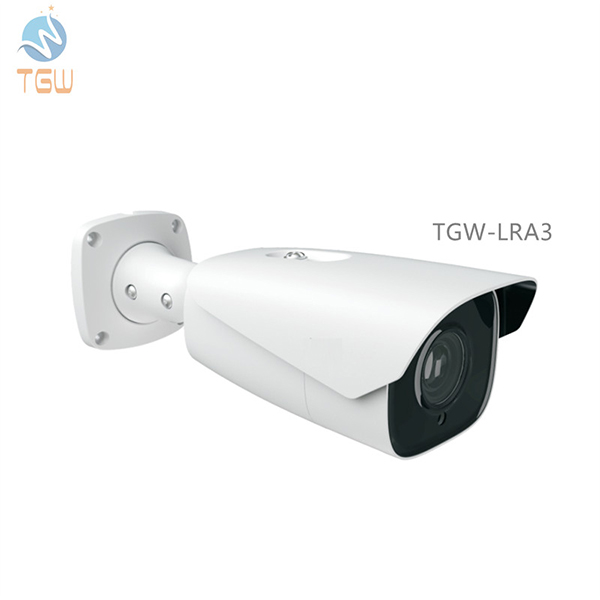
Advanced TGW-LRA3 Camera with High-Speed Capture Features
The Automatic Number Plate Recognition System incorporates 2-megapixel CMOS sensors with variable lenses (2.8–12mm) that ensure wide-angle coverage while maintaining clarity even at high speeds. Minimum brightness: 500lux, paired with IR fill lights ensures round-the-clock visibility.
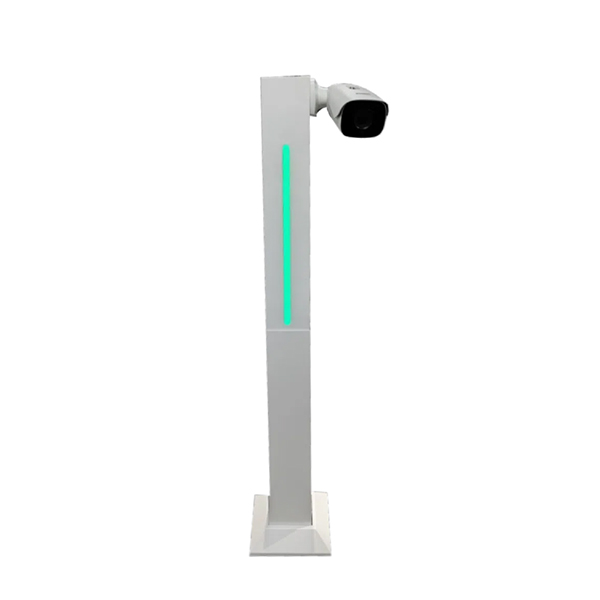
Optimized TGW-STAND2 Parking System for Flow Management
The ANPR/ALPR Parking System TGW-STAND2 supports standalone operations ideal for institutions managing fixed vehicles like schools or hospitals. It includes free web-based software for parameter setup and vehicle data management.
Intelligent TGW-PARKSFW-L Software for Real-Time Analysis
The deep learning-powered TGW-ParkSFW-L Software delivers sub-second recognition performance (< 0.5s per plate). It ensures exceptional accuracy and real-time recognition even in challenging environments.
Why Hardware Matters for Good Detection
Good hardware is the foundation. Weak gear drags down even the best software.
Clear Imaging Sensors
High-definition sensors (1920×1080 pixels) grab sharp images, even if a car’s moving or part of the plate’s blocked. A blurry shot from a cheap camera could ruin the whole read.
Night and Low-Light Performance
Infrared lights make sure plates show up clearly, no matter the time. An automatic light sensor under 30Lux kicks on when it’s dark. This is huge for late-night toll booths or city streets.
Tough Design for Rough Places
IP66-rated cases keep dust and water out, vital for roadside or open parking lots. Harsh weather, like a stormy day, won’t stop a good system.
How Does Software Boost Detection?
Hardware takes the pictures, but software turns them into useful info. Better software means better results.
AI for Plate Reading
Deep learning models, trained on tons of plate types, handle weird fonts or damaged plates. They adapt to different countries’ styles, cutting down on misses. For instance, a scratched plate from a rental car still gets read right.
Filtering Out Mistakes
Smart logic stops errors, like reading the same plate twice or picking up glare from another lane. In a packed toll booth, this keeps things accurate during rush hour.
Connecting with Other Systems
Good software links with parking or access systems, like payment booths or security gates. APIs make it easy to tie into bigger setups, so a parking lot can run smoothly with one control panel.
FAQ
Q1: Can TigerWong customize systems?
A: Yes, they offer OEM services for things like display languages (over 130 countries), gate types (straight, folding, or fencing arms), and custom reports. A client might want a system that fits their local language or specific gate style.
Q2: Is support available after setup?
A: TigerWong gives 24/7 online help and regular software updates. This keeps systems running smoothly, no matter where they’re installed.
Q3: Do they work offline?
A: Some camera models store data on TF cards up to 128GB, and certain setups can recognize plates without a network. This is handy for remote spots or during internet outages.