
The short answer is that LPR and ANPR usually name the same plate-reading function. LPR expands to License Plate Recognition, while ANPR expands to Automatic Number Plate Recognition. Both describe obtaining registration text from a vehicle image. There is no separate technology you have to buy just because a tender uses the other abbreviation.
The confusion starts with the quotation. An LPR camera and an ANPR parking system may have quite different prices, despite using the same underlying function. You need to know what comes in each box, and what work remains outside the offer.
In the TigerWong parking range, you will find these terms alongside individual model names. Keep those names in your purchase documents. If an item on the delivery list is unclear, a model reference is something we can check directly; an entry reading only ANPR is much harder to pin down.
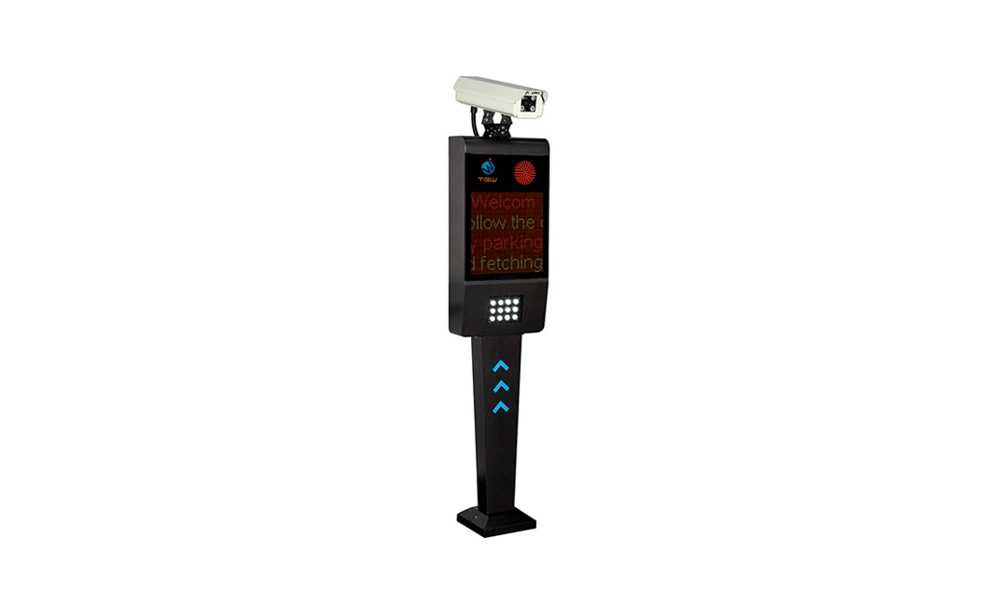
Do LPR, ANPR and ALPR mean three different things?
ALPR belongs in this discussion too. Its full name is Automatic License Plate Recognition, combining the automatic part of ANPR with the license plate wording of LPR. Number plate and license plate are simply alternative names for the vehicle registration plate. A document can use all three abbreviations without describing three machines.
LPR doesn’t become a manual process because automatic is missing from its name. You may still get automatic reading from an LPR product. Equally, adding that word doesn’t give an ANPR offer an accuracy advantage. That would need evidence about the actual product.
| Jina | Expanded form | What the name does not establish |
| ya LPR | Utambuzi wa Plate ya Leseni | A manual-only process or a particular equipment package |
| ANPR | Utambuzi wa Bamba la Nambari Kiotomatiki | A higher recognition rate or an included barrier |
| ya ALPR | Automatic License Plate Recognition | A separate class of parking technology |
A supplier’s own terminology can muddy the comparison. Perhaps its brochure calls the camera LPR and reserves ANPR for a package. Ask which quoted items account for the difference. You can use that explanation to read this particular offer without treating it as a definition that every manufacturer follows.
So an LPR proposal may belong on the shortlist for an ANPR tender. Check the response line by line. If a required function is missing, raise that omission with the bidder; the different spelling on the cover isn’t the reason to reject it.
Where do the names stop describing the equipment?
Look at the noun after LPR or ANPR. A camera, an application and a complete entrance system are different purchases. It is surprisingly easy to compare their headline prices while overlooking the scope behind them.
For example, an LPR camera offer could include recognition processing within the device, or require processing supplied elsewhere. An ANPR system offer could include a management application. Neither should be taken for granted; find the model and software entries that confirm the arrangement.
yetu Kitengo cha ANPR cha TGW-LDV4 has a specific product reference you can put in the equipment schedule. If it is the selected unit, use that reference. Give separately supplied barriers, payment equipment and software their own lines rather than hiding them under ANPR.
Replacement enquiries need a little more detail. Which part failed: the camera, the terminal beside the lane, or software on the computer? Send a photograph and the existing label where possible. That lets the discussion start with the item you need to replace and the equipment you intend to keep.
A product photograph isn’t a packing list. The pole and display shown beside a camera may be separately priced, even though the picture makes them look like one purchase. Look for quantities against those accessories and any mounting parts you need. An unlisted item is worth a query before ordering.
Keep a copy of the agreed configuration if a substitute model is proposed. Compare the replacement against that copy, especially its connections to retained equipment. A matching LPR label won’t resolve a mismatch at the interface.
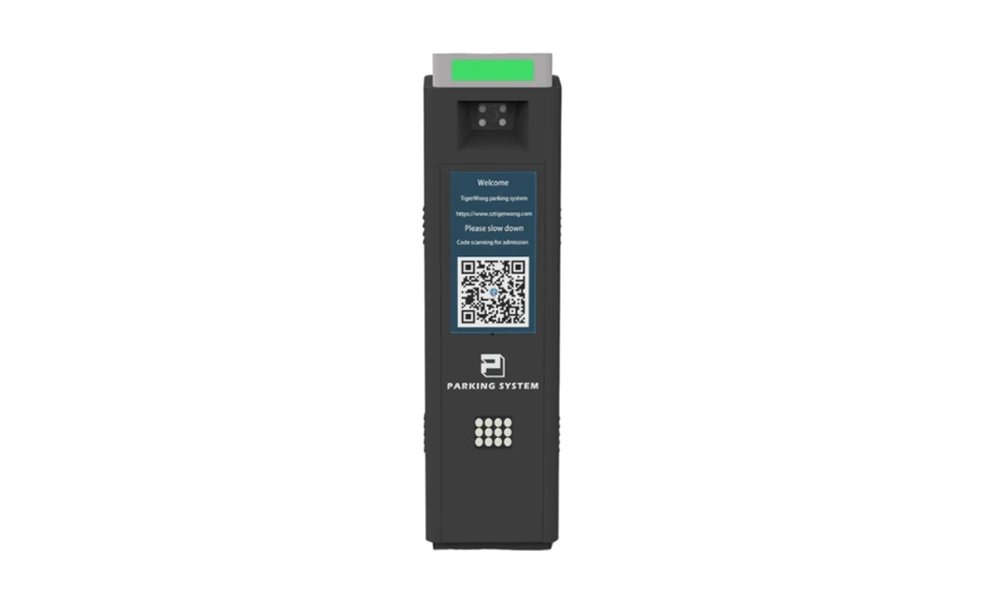
What can you compare without relying on the acronym?
Start with what you expect to receive from a plate read. Is it just the registration text? Do you need an image stored against a parking event? Is this supplier also responsible for the permission decision that lets the vehicle enter?
Those questions separate the work much better than LPR versus ANPR. A correctly read registration can still belong to a vehicle with no permit. Someone must define the rule used after recognition and identify the application or controller that applies it.
yetu plate-recognition process guide explains image capture and character reading in more detail. Here, the purchasing question is where the bidder’s responsibility ends. Ask for that boundary in terms of an output you can see or test.
An example event record is useful. Have the bidder show which fields its equipment supplies: perhaps plate text, an image, a timestamp and a lane identifier. Then mark any fields that another application must add. You can spot a missing handoff before it becomes an integration dispute.
Treat an accuracy claim separately from the name. You would need the equipment configuration and test conditions to assess it. Changing LPR to ANPR on a document tells you nothing about how that product will perform on your vehicles.
Plate formats are another item for the product enquiry. Tell the supplier which countries’ registration formats will arrive at your site. Confirmation needs to refer to the offered model and software version; the phrase number plate by itself contains no country coverage information.
How do you read two differently named quotations?
Take a hypothetical pair of offers. One is an LPR camera package; the other is an ANPR parking system with a management application listed. The camera package costs less. Is it a saving? You won’t know until you have allowed for the application and any work the first offer leaves to others.
A common schedule helps here. Transfer each quoted item into it, retaining the original description alongside your category. Don’t quietly fill an empty software or connection row with an assumption. Send that row back to the bidder for an answer you can keep with the price.
| Common scope item | What to ask each bidder |
| Recognition hardware | Which exact model and quantity are included? |
| Recognition processing | Where does reading occur, and what software is supplied? |
| Management application | Which parking functions are included in the offer? |
| Control connection | What equipment receives the result or opening command? |
| Records | Which images and event fields can the operator retrieve? |
| Supply boundary | Which items and services must another party provide? |
yetu programu ya usimamizi wa maegesho has its own place in the product range. In a proposal from us, look for the application that covers your requested functions. If you can only find hardware in the quoted schedule, ask where the software scope is recorded.
For a retrofit, hardware alone might be enough because the site already has suitable software. For a new entrance, that same offer could leave several items unpriced. Decide against the intended job, not the apparent completeness of the word system.
Read the exclusions before comparing totals. Who pays for the connection to existing equipment? Does the offer cover operator training, and what happens when software support is needed later? The answers should sit in the commercial comparison alongside the equipment costs.
What wording belongs in the purchase specification?
A brief definition at the start of the specification is enough. For example, you can use automatic number plate recognition and note that license plate recognition is an equivalent term. Choose the one your project team uses and carry it through the drawings. Repeatedly switching labels only gives readers another ambiguity to resolve.
Then describe the job being purchased. Is the supplier stopping at plate reading, or delivering parking records and access decisions as well? Put model numbers and connections in the equipment schedule, where a reviewer can check them individually. The definition doesn’t need to carry the entire specification.
Use the confirmed references again at handover. Where a delivery label differs from the approved schedule, get the supplier to identify the corresponding item and explain any substitution. The person maintaining the entrance later should be able to find that answer in the records.
Send us your tender wording and equipment schedule for a plate-recognition scope review. Include the outputs you expect from the purchase. We can discuss which TigerWong items belong in that offer and which need separate clarification.