
Buying reliable access control hardware marks the start of facility protection. To get the best value, regular upkeep and proper handling become key. As a top worldwide supplier with more than 25 years of know-how, TigerWong focuses on providing intelligent parking management and pedestrian access solutions to over 155 countries. From license plate recognition to sturdy turnstile design, this field leader uses a 4,000-square-meter factory along with a focused R&D group. Every item follows strict global rules. This guide draws on their long background to help keep security setups at top levels.
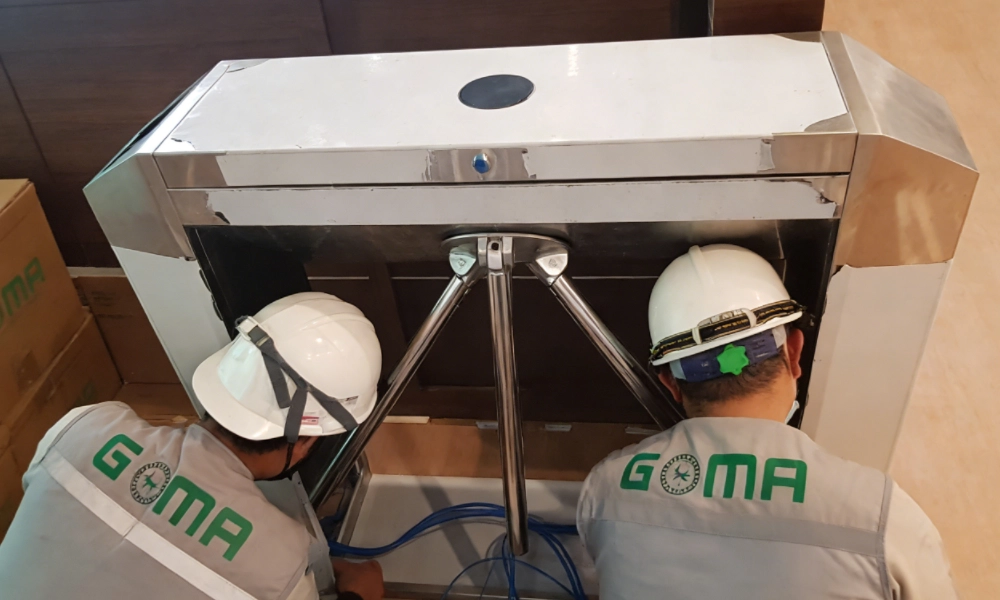
Essential Features of Modern Tripod Turnstile Gates
Current tripod turnstiles mix safety with good flow rates. They act as barriers that guide people in busy spots. These units include certain mechanical and electronic parts. Such features let them work well in places like offices or transit areas.
Durable SS304 Stainless Steel Construction
Quality turnstiles use SUS304 stainless steel for strong defense against rust and weather damage. This choice keeps the frame solid during heavy daily use. It fits both inside and outside spots where water or dirt might build up. Thus, the setup lasts longer in tough conditions.
Automatic Drop-Arm Emergency System
Safety builds into the main parts with a backup arm that falls on its own in power cuts or alarms. This setup clears the way fast for exits. It meets global safety rules without staff needing to act. As a result, quick escapes stay possible.
Seamless Access Control Integration Capabilities
Control units have various links like Wiegand, RS485, and TCP/IP. These support different ID methods. Gates connect simply to RFID readers, biometric tools, or QR scanners. This forms a single security web. Overall, it boosts site protection.
Bi-directional Traffic Flow Management
Smart controllers let entry and exit paths set apart by needs. This option aids one-way limits or full two-way entry. It helps handle crowds in busy times. Therefore, movement stays smooth and controlled.
Professional Installation Advice for Maximum Performance
Right setup forms the base for long equipment life. An uneven base or off-center parts at first cause extra strain. This leads to early damage on solenoids and bearings. Proper steps avoid such problems from the start.
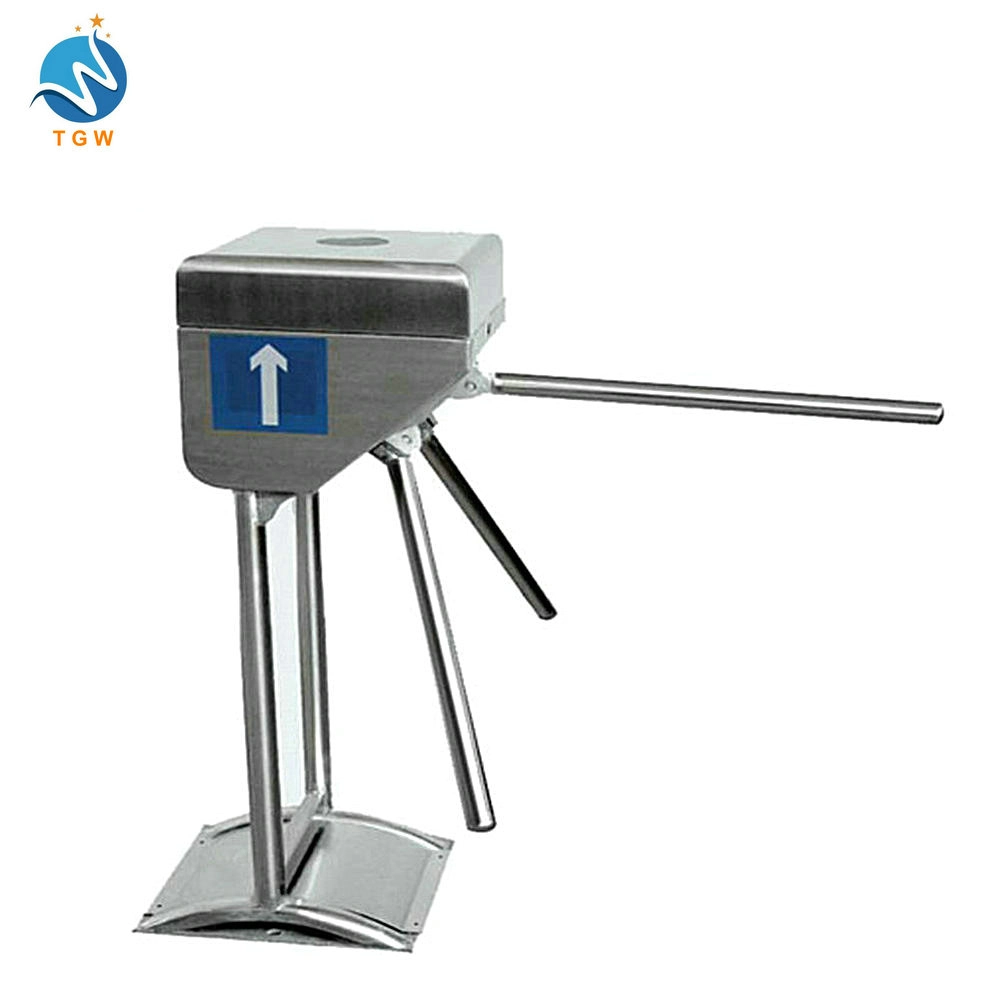
Stable Ground Foundation Preparation
The install area needs a flat, firm concrete surface to cut shakes. A solid base stops the housing from moving later. This guards inner electronic parts from jolts. In turn, the whole unit stays steady over time.
Precise Leveling and Mechanical Alignment
Setup calls for level tools to check the main shaft stands straight. Good alignment lowers rub on the turn part. It makes the lock work easy without extra force or sound. This keeps operations quiet and even.
Standardized Electrical Wiring and Grounding
Use protected wires for data lines and link to ground well. This stops static charges and shields the board from voltage spikes. Such steps avoid control faults or part breakdowns. Reliable power flow supports daily runs.
Comprehensive Post-Installation System Calibration
After fixing the parts, test runs adjust turn speed and damper force. Right settings make the arm return true each time. This avoids bounce that harms springs. The system then runs without hitches.
Operation Guide for Secure and Efficient Access
How people use the gate affects its lasting power. Clear passage guidelines and staff checks stop harm from wrong pushes or misuse. Proper habits extend the unit’s work span.
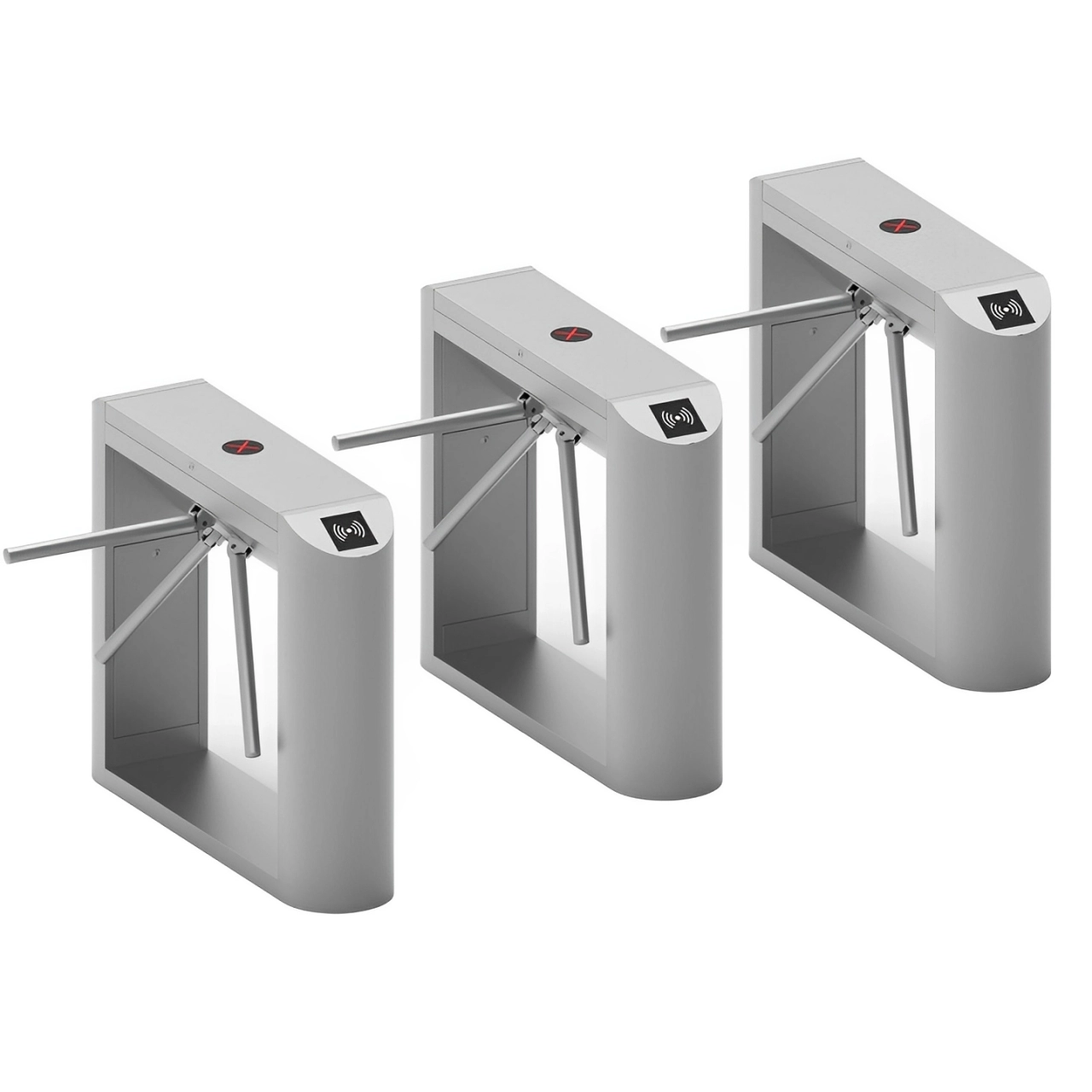
Correct Authorized Media Verification Procedures
Users hold ID items steady for the scanner and wait for the go signal. Moving too soon before the lock frees adds stress to inner stops. This might warp the pin. Waiting ensures safe and smooth passage each time.
One-Person-Per-Rotation Passage Rules
The design limits to one user per 120-degree turn to block following. Teach groups to space out entries a bit. This lets sensors clear and locks set right. As a result, security holds firm without gaps.
Visual LED Status Indicator Recognition
Staff follow green lights for go and halt at red marks. Honoring these signs avoids arm clashes. This saves the drive unit and keeps flow steady. Clear signals guide correct actions daily.
Emergency Evacuation Manual Override Protocols
Teams train on the switch to lower arms in urgent cases without power loss. Practice runs keep the release smooth and quick. This prepares for real needs where time saves lives. Readiness boosts overall safety.
Comprehensive Maintenance Guide for Long-Term Reliability
Planned checkups change fixes to ahead-of-time care. Steady looks at core parts and covers stop dirt from causing big motor swaps. This approach keeps costs down and uptime high.
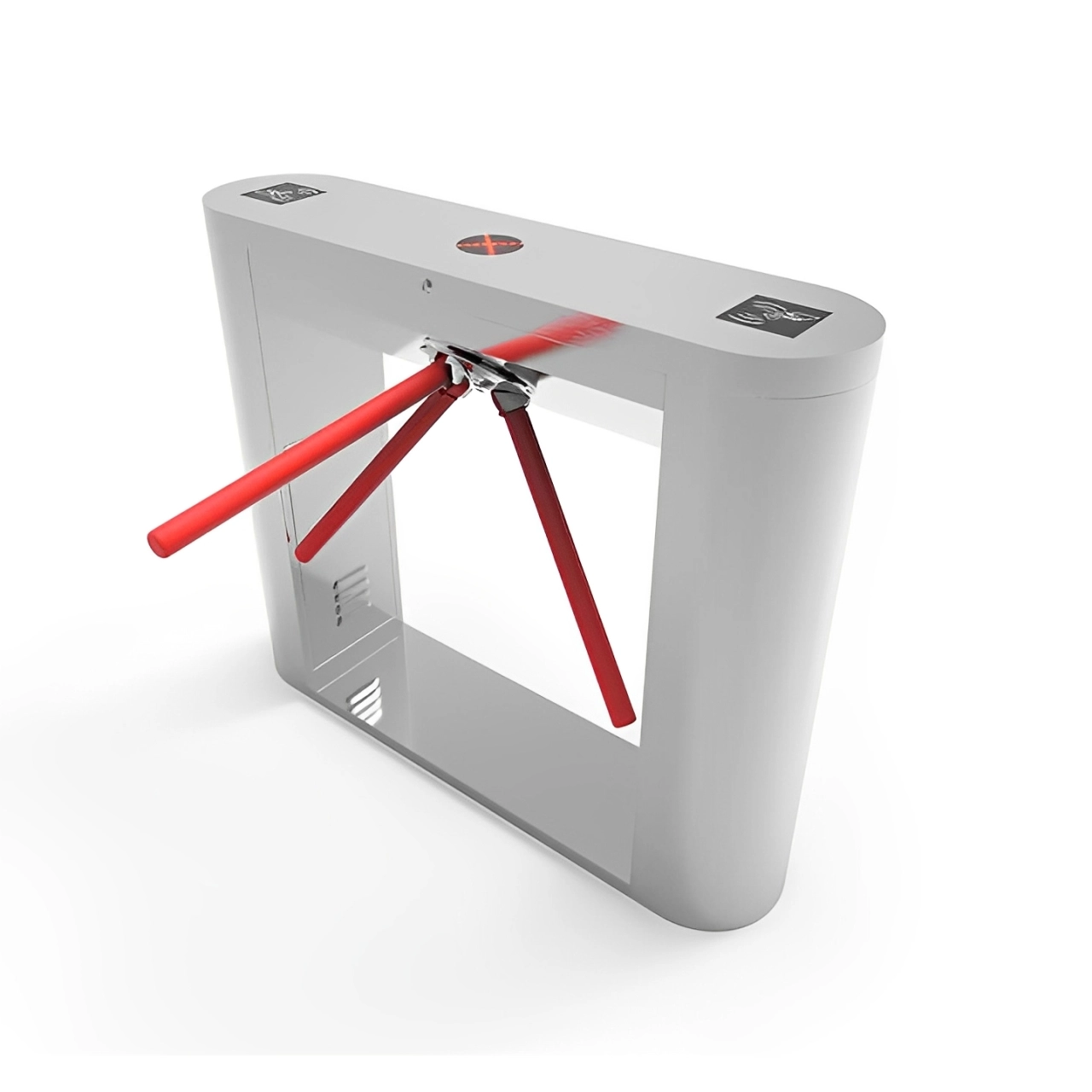
Routine Mechanical Component Lubrication
Add fitting grease to shaft bearings and rods twice a year. Good oil cuts metal wear and eases solenoid work. It also lengthens spring life. Regular care prevents early part failure.
Exterior Stainless Steel Surface Cleaning
Clean the steel frame with mild wipes to clear prints, salts, and factory dirt. For outside models, this blocks pit marks and keeps the look sharp. The entrance stays neat for long periods. Simple steps maintain appeal.
Optical Sensor and Reader Calibration
Dirt on inner IR sensors can cause false reads or lock skips. Wipe them with soft dry cloth for true signals. This feeds correct info to the board on user spots and arm place. Accurate data supports safe runs.
Internal Fastener and Screw Tightening
Turns create small shakes that loosen bolts bit by bit. In three-month checks, tighten motor and arm fixes. This holds the build strong. Steady parts avoid loose risks over use.
Periodic Control Board Firmware Updates
Fresh software brings better motor guides and safety fixes. These often cut solenoid power use and heat in busy spells. Updates keep the system sharp and efficient. Regular refreshes aid long-term function.
Why TigerWong is Your Trusted Global Access Partner
A partner with solid field ties gives more than gear. It offers a complete technical support ecosystem. Field skills build tough answers that endure.
20 Years of Proven Manufacturing Excellence
Long years in access control refine making to skip weak spots. This track record builds units for real heavy spots. Knowledge from practice ensures strong output. Each piece fits tough daily tests.
Tailored OEM and ODM Solution Services
Projects vary in limits, so flexible customization through OEM and ODM services matches hardware to sites. Custom sizes or software links come from the design group. This adapts to exact wants. Tailored fits improve setup success.
Global Project Success in 120+ Countries
Work in varied weather and rules worldwide tests gear to global marks. This wide reach shows trust and fit everywhere. Solutions work across borders. Reliability holds in all setups.
24/7 Professional Technical Support and FAQ Resources
A comprehensive FAQ and online support center keeps aid close. For setup fixes or check plans, pro tips wait online. This cuts stop times to none. Help stays ready always.
FAQ
Q1: How often should I perform maintenance on my tripod turnstile?
A: Conduct a basic visual inspection monthly and a comprehensive mechanical service, including lubrication and screw tightening, every six months to ensure optimal performance.
Q2: Can the turnstile arms be customized for different passage widths?
A: Standard arms are typically 510mm, but request customized lengths or chassis dimensions through professional manufacturing services to fit specific architectural requirements.
Q3: What should I do if the tripod arm fails to lock after a person passes?
A: First, check if the infrared sensors are blocked by dust or misaligned. If the sensors are clean, inspect the solenoid and the return spring to ensure they are not fatigued or stuck.
Q4: Is the equipment suitable for very cold or hot climates?
A: Yes, these systems are designed to operate within a temperature range of -25°C to +60°C. For extreme environments, additional heating or cooling components can be integrated into the cabinet.
Q5: Can I integrate my existing RFID office badges with a new turnstile?
A: Most turnstiles support standard Wiegand interfaces, allowing connection of current third-party card readers directly to the turnstile control board for a seamless transition.