
Modern gate barriers act as the key initial defense and main traffic control point for any site. With advancing technology, combining Artificial Intelligence (AI) and the Internet of Things (IoT) has changed these mechanical arms into smart, data-based units. They handle smooth entry and exit. Leading this change is TigerWong, a worldwide specialist with more than 25 years in smart parking management and access control. If you seek OEM/ODM customization or solid technical support, TigerWong offers advanced options to over 155 countries. It helps more than 10,000 clients globally reach high operational performance.
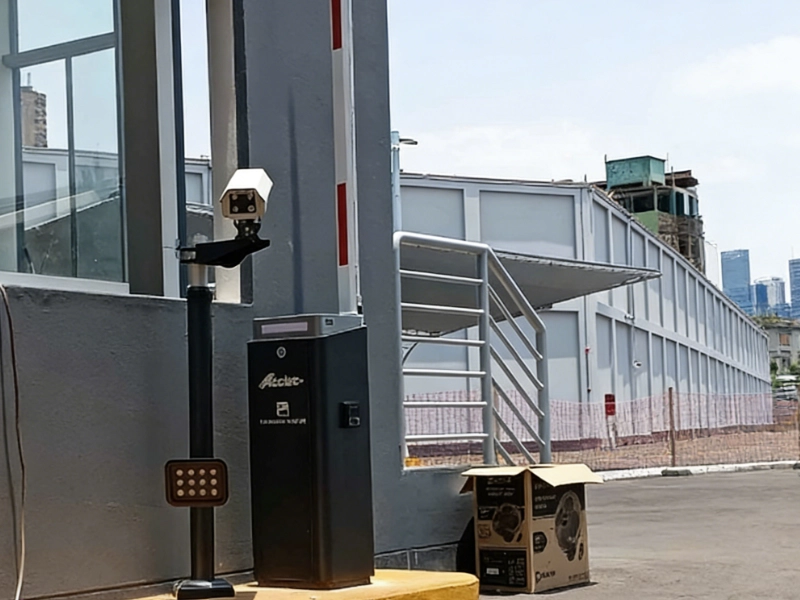
Modern Gate Barriers in the Era of AI and IoT
A modern gate barrier goes beyond a simple physical block. It forms a complex part of a linked access control setup. Traditional barriers depended on manual ticket checks or physical keys. In contrast, current systems employ electronic sensors and connected controllers to direct vehicle movement. This shift leads to “unmanned” operations. Here, software and hardware team up to spot users and allow entry without staff help.
Automated Vehicle Recognition Systems
AI-based cameras let the barrier “view” and spot vehicles. They take clear images of license plates. These setups pull out characters, colors, and models right away. As a result, the gate lifts on its own for approved users. This quick process cuts wait times at entry points.
Real-time Connectivity Infrastructure
IoT tech turns each barrier into a network point. It uses links like TCP/IP or RS485 for communication. This setup makes sure all entry and exit details go to a main platform at once. Managers can then watch and review the data. Such instant sharing boosts overall control.
Intelligent Mechanical Execution Arms
The barrier’s arm now runs on strong motors, like servo or torque types. These respond to digital signals in moments. Moreover, the arms change speed to fit traffic needs. Thus, the hardware matches the fast detection from AI. This balance supports reliable daily use.
AI-Driven Recognition Strategies for Seamless Access Control
Using AI cuts the time vehicles wait at gates. It removes the need for card swipes or ticket grabs. With the ANPR/ALPR Parking – TGW-LIV0, advanced methods handle plate detection in over 130 countries. This AI focus deals with issues like varied fonts, light changes, and multiple languages. The success rate tops 98%.
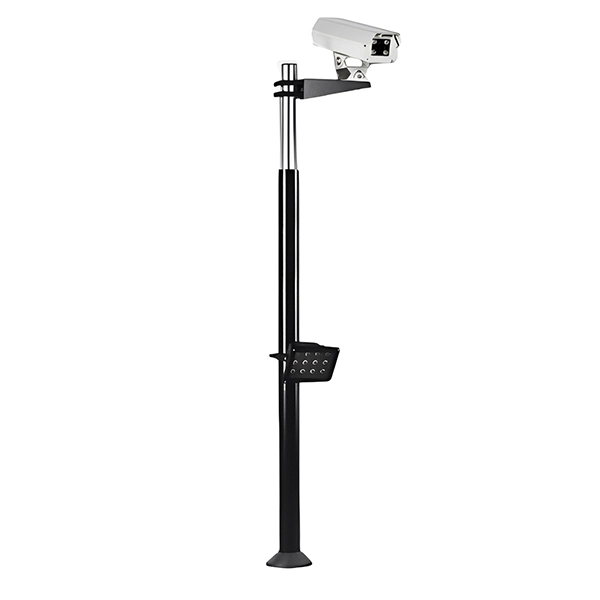
Deep Learning Plate Identification
The AI setup applies computer vision and pattern spotting to find license plates as cars near. It tells apart letters and numbers over several lines. This gives fast outcomes that open the barrier. Such speed helps keep traffic moving without stops.
Automated Vehicle Attribute Analysis
AI goes further than just plate numbers. It checks vehicle details like color and type for better safety. This extra check confirms only the right vehicle enters. It stops fake access attempts. Therefore, security stays strong in busy areas.
Dynamic Traffic Flow Management
AI methods track vehicle counts at the moment. They tweak response times to avoid backups in busy periods. The system processes cars up to 80 km/h. This keeps high flow rates that old ways can’t reach. As a result, sites handle more traffic daily.
IoT Integration for Remote Monitoring and Predictive Maintenance
IoT lets you oversee parking areas from one spot, no matter the distance. Adding the Barrier Boom – PARK-401DS links the barrier to a smart web. It shares status updates live. This allows quick error code views and fixes. The system runs around the clock with little stoppage.
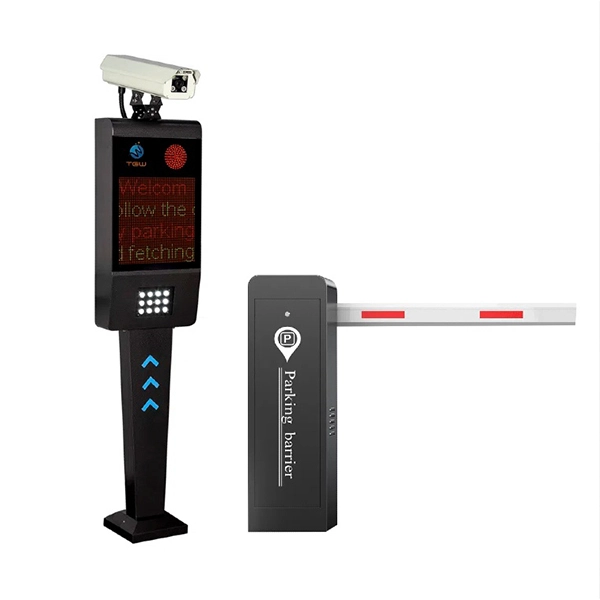
Cloud-Based Device Status Monitoring
IoT barriers send work data to a cloud system non-stop. This gives a full picture of each entry and exit. You can check live views and past logs from any approved device. Such access aids in quick decisions for site managers.
Remote Troubleshooting and Control
If a problem hits, the system shows a clear error code. Teams can spot the issue fast from afar. Managers handle open and close functions remotely too. This keeps traffic going even if local help takes time. It reduces overall disruptions.
Preventive Maintenance Data Feedback
The setup counts operations, up to 5 million for top models. This info helps plan checks before breakdowns. It moves care from fixing after issues to stopping them ahead. In turn, it lowers repair expenses over time.
Enhanced Security and Safety through Intelligent Sensor Loops
Safety matters most in auto systems. IoT sensors offer key feedback to guard vehicles and people. The Barrier Boom – Tiger-PB910S works well with different sensors. It stops the arm from closing on objects below. This “anti-smashing” feature uses mechanical, infrared, and circuit parts. It focuses on protection while keeping quick action.
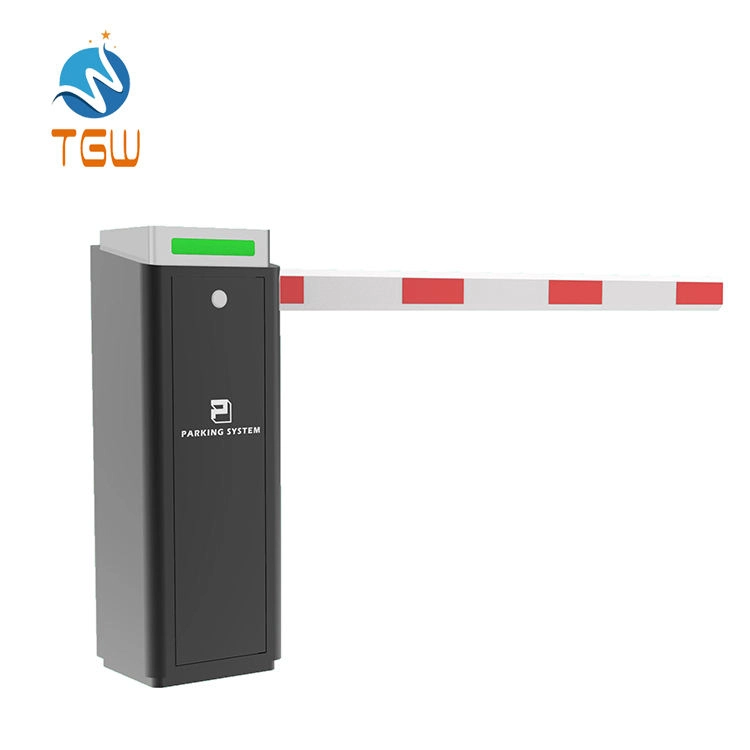
Intelligent Anti-Smashing Radar Integration
Current barriers use smart sensors to find vehicles or folks under the arm. If something halts in the path, the sensor alerts the controller right away. The arm then stays up. This prevents accidents during passes.
High-Precision Servo Motor Control
A 32-bit strong core handles exact arm moves. It adds soft stops and quiet runs. This lengthens the unit’s work life. Users get a steady, smooth ride too.
Real-Time Safety Event Logging
Each sensor alert gets noted in the database at once. This builds a record for checks. It helps review security or tweak flow rules. Sites improve based on real events.
Operational Efficiency and Cost Reduction via System Synergy
AI and IoT’s real power comes from teaming up as one unit. This drops labor needs and mistakes by people. Unmanned setups run big parking lots without staff at each spot. Software manages sign-ups, payments, and reports on its own. Data moves as easy as the vehicles.
Unmanned Entry and Exit Automation
The system figures parking charges from AI camera times for entry and exit. Drivers pay via touchless ways or self-kiosks. The exit gate then opens without help. This speeds up the whole process.
Comprehensive Data Analytics Reporting
Software makes full reports on fees, visits, and logs. These show use trends clearly. You can adjust payment plans for better gains. It aids smart business choices.
Reduced Human Error and Labor
No more card handouts or hand-written plates cuts lost items and wrong notes. Staff shifts to key jobs instead. This boosts site image while saving costs.
Why TigerWong is the Leading Provider of AI and IoT Barrier Solutions
Picking the best partner matters for these tech setups. TigerWong excels with its own development work. Software and hardware fit real needs well. A skilled team helps with setup. Products meet world standards. Your spend on AI and IoT leads to lasting wins.
Extensive R&D and Technical Expertise
The R&D group keeps updating LPR methods for good rates in varied spots. This keeps systems ahead in the field. Innovation drives steady progress.
Global Service and OEM Capability
TigerWong offers custom software changes and special hardware builds, which fits your project details. Round-the-clock tech help avoids roadblocks. Support stays reliable worldwide.
Proven Project Success and Reliability
TigerWong serves schools, hospitals, and busy malls across thousands of sites. Products have CE and RoHS marks for quality. They ensure fit for your place.
FAQ
Q1: What is the recognition rate of TigerWong’s AI systems?
A: TigerWong’s AI-driven plate recognition systems typically achieve a recognition rate exceeding 98% under standard conditions.
Q2: How many countries are supported by the ANPR software?
A: The software supports license plate recognition for more than 130 countries and regions worldwide.
Q3: Can these barriers operate in extreme weather?
A: Yes, TigerWong barriers are designed to function in temperatures ranging from -35℃ to +75℃, making them suitable for global climates.
Q4: What is the expected service life of a high-performance barrier boom?
A: High-end models like the Tiger-PB910S are designed for heavy-duty use, with a life cycle of more than 5 million operations.
Q5: Do you offer customization for software and appearance?
A: Yes, TigerWong provides full OEM and ODM services, including customized logos, colors, and software features tailored to specific customer requirements.