
In crowded cities, drivers waste an average of 17 hours each year circling for parking spots, which boosts fuel consumption and emissions. Data-driven parking solutions tackle this by harnessing sensors, AI, and analytics to provide real-time insights, directing you to open spaces swiftly and easing traffic flow.
With over 25 years specializing in intelligent parking management and 15 years in access control like turnstiles, TigerWong employs a 120-strong team across a 4,000-square-meter factory to deliver systems to more than 155 countries. Their annual sales exceed 50 million, backed by professional support and a focus on customization. These tools not only slash idle time but also enhance efficiency in schools, stadiums, hospitals, and corporate buildings.
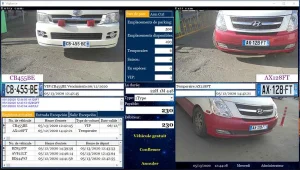
What Causes Parking Congestion in Urban Areas?
Urban parking congestion stems from a mix of factors that disrupt smooth vehicle flow and waste your time. High vehicle numbers overwhelm limited spaces, while poor allocation and unclear availability force endless searches. Solutions like advanced guidance systems address these by monitoring occupancy in real time, drawing from experiences in busy sites such as train stations and amusement parks.
High Vehicle Density
Rapid city growth packs more cars into fixed areas, leading to bottlenecks at peak hours.
Inefficient Space Allocation
Static layouts ignore fluctuating demand, leaving spots unused while others overflow.
Driver Search Time
Without visibility into open slots, you circle blocks, adding to traffic snarls.
Why Do Traditional Parking Systems Fail?
Traditional setups often rely on outdated methods that can’t keep pace with modern demands, resulting in delays and frustration for you. They lack integration and automation, causing manual errors and slow processing. Upgrading to data-centric software transforms this by analyzing patterns and automating controls, proven in factories and office buildings with thousands of daily users.
Lack of Real-Time Data
No instant occupancy updates leave you guessing, prolonging waits.
Manual Operations
Handheld tickets and cash handling slow entries and exits.
Poor Integration
Disconnected components prevent seamless data flow across your facility.
How Can Data Help Reduce Idle Time?
Data turns chaotic parking into a streamlined process by predicting needs and alerting you instantly. It cuts idle moments through analytics that forecast usage, based on historical trends from over 130 countries’ license plate recognition. Incorporate tools like predictive software to minimize downtime in high-traffic zones such as airports and gyms.
Predictive Analytics
Historical patterns forecast busy periods, allowing proactive space management. Advanced software analyzes entry/exit data from over 130 countries to predict peak hours accurately.
Automated Monitoring
Sensors track vehicles continuously, ensuring accurate availability info. Ultrasonic detectors achieve over 99.9% precision, updating occupancy in real time across multi-level facilities.
User Notifications
Apps send alerts about free spots, guiding you directly. Mobile integration delivers instant directions, cutting search time by up to 40% and reducing congestion efficiently.
Implementing Real-Time Guidance Systems
Deploying guidance systems involves placing detectors and displays strategically to show you available spots at a glance. These setups, with ultrasonic accuracy over 99.9 percent, operate in temperatures from -20 to 65 degrees Celsius and suit multi-level lots. Explore a reliable parking guidance system that uses node controllers managing up to 62 units for comprehensive coverage.
Sensor Deployment
Install ultrasonic detectors above spaces for precise vehicle detection within 0.3 to 5 meters. These units boast >99.9% accuracy and operate reliably in -20 to 65°C environments, ideal for indoor or outdoor lots.
Data Centralization
Central controllers aggregate info from up to 256 partitions, enabling offline operation. Each manages up to 62 node controllers via CAN bus up to 1,000 meters, ensuring data flows without constant internet.
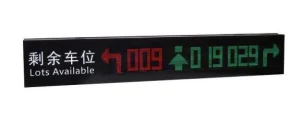
Visual Indicators
LED screens at entrances and forks display remaining spots, speeding your navigation. Clear red/green signals guide you instantly, minimizing search time and easing traffic in busy facilities.
Optimizing Barriers for Faster Access
Smart barriers accelerate access by lifting automatically based on verified data, reducing queues at entries. Designed for speeds under 30 km/h recognition, they adapt to arm lengths up to 6 meters and withstand extreme weather. Consider a durable barrier boom with radar triggers that eliminate buried coils for quicker installs.
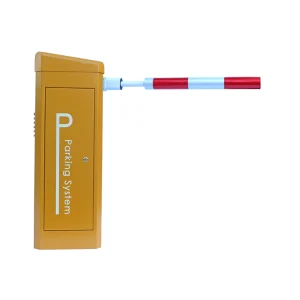
Automated Lifting
Arms rise in seconds, adjusted for length to match your site’s flow. Choose from 1 to 6-meter arms with lifting speeds as fast as 1.5 seconds for shorter lengths, ensuring smooth entry for up to 30 vehicles per minute.
Integration Capabilities
API and RS485 interfaces link seamlessly with management software. Connect effortlessly to license plate recognition, payment systems, or cloud platforms for centralized control and real-time data sync.
Weather Resilience
IP54 protection ensures operation from -40 to 60 degrees Celsius. Dustproof and water-resistant design performs reliably in rain, snow, or extreme heat, requiring no ground coils for radar-triggered activation.
Streamlining Payments to Cut Delays
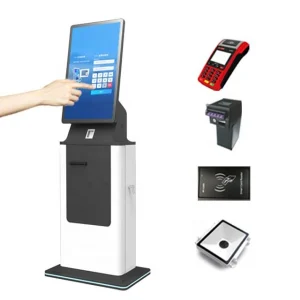
Efficient payments eliminate exit bottlenecks by automating fees via license plate queries. Support for cash, QR codes, and multi-language interfaces handles diverse users in global settings. Opt for a versatile parking payment system that processes transactions swiftly without UPS, fitting most environments.
Multi-Method Support
Accept cash or digital options for flexible, quick settlements.
License Plate Linking
Fuzzy queries tie plates to fees, automating calculations.
Self-Service Kiosks
Touchscreens enable rapid payments, freeing lanes.
FAQ
Q1: How do data-driven solutions integrate with existing parking setups?
A: They connect via APIs, RS485, or Ethernet, compatible with mainstream systems for smooth upgrades without major overhauls.
Q2: What maintenance do these systems require?
A: Regular cleaning of surfaces and checks on components like printing paper ensure longevity, with one-year warranties covering repairs.
Q3: Can these solutions handle extreme weather?
A: Yes, with IP54 ratings and operation from -40 to 60 degrees Celsius, they perform reliably in rain, heat, or cold.
Q4: How much do they reduce operational costs?
A: By cutting search time up to 40 percent and automating processes, you save on fuel, labor, and emissions, often yielding 30 percent efficiency gains.
Q5: Do they support global license plates?
A: Recognition covers over 130 countries, with offline modes for some regions, ensuring versatility in international applications.