
Handling a busy entry point involves more than simply setting up equipment. It calls for a firm dedication to safe running and long device life. When a barrier gate operates thousands of cycles each day, its inner parts face heavy strain. To keep vehicle movement smooth and safeguard your spending, a planned upkeep plan is essential. For experts wanting top dependability, TigerWong brings over 25 years of knowledge in smart parking and entry management. Their skilled technical help makes sure each setup, from basic parking areas to advanced ANPR setups, stays ahead in the field. Following a three-month upkeep habit lets you spot small damage early, before it turns into an expensive breakdown or safety issue.

Critical Role of Regular Maintenance in Barrier Gate Longevity
Steady upkeep serves as the main shield against the expected wear in machines that run often. In business parking zones or factory areas, a barrier gate usually meets visitors first, so its steady work matters for image and protection. When you carry out checks every three months, you make certain the strong motors keep working as planned, which lengthens the useful time of the gear. This forward-thinking way cuts down on sudden fixes that often cause vehicle backups and unhappy people.
Prevention of Mechanical Fatigue in High-Frequency Motors
Ongoing use builds up warmth and tiny damage on inner gears. By checking motor output and heat release every three months, you stop the main drive part from locking up under load. As a result, the gate stays quick even in busy times when comings and goings peak. This practice supports reliable daily function.
Mitigation of Liability Risks Through Safety Sensor Calibration
Safety detectors can shift from true position because of earth shakes or weather changes. Steady adjustment keeps the gate spotting every vehicle or walker right, which helps avoid court fights from harm to goods or people. Thus, precise sensors form your top plan for handling dangers. Regular care builds a safer site overall.
Optimization of Operational Efficiency for Seamless Traffic Flow
A kept-up gate lifts and drops at its best set pace without pause. Minor waits from rub or slow detector reply can cause car lines at the gate. Checks every three months keep flow even, which improves how users feel and holds the pro look of your place. This focus aids smooth operations.
Mechanical Inspection and Hardware Integrity Verification
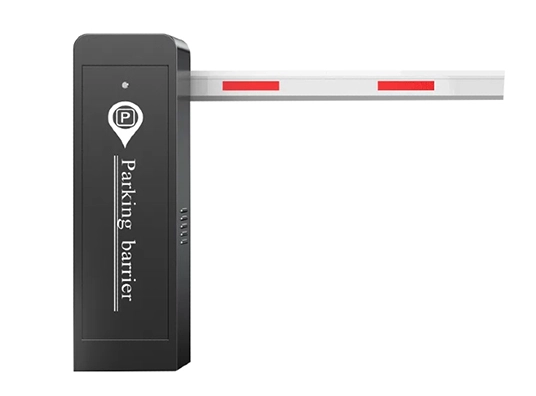
The body strength of a barrier gate forms the base of its work. Fast running puts steady force on holders, the arm, and inner drives. You have to confirm each screw is firm and the arm stays even to avoid extra work on the motor. For spots needing a solid but affordable fix, the Barrier Boom – PARK-401DS fits for steadiness and simple care, with a stronger build that eases these key body checks while giving steady output.
Structural Fastener Tightening and Corrosion Assessment
Frequent shakes loosen the screws that fix the case and inner motor. You ought to look at all body joins and put on rust-stop treatments where early rust shows. This way, you hold the body wholeness against body force. Such steps ensure lasting build quality.
Boom Arm Alignment and Balancing Mechanism Adjustment
An uneven arm makes the motor use more turn force than needed, which speeds up gear damage. You must set the pull springs so the arm holds flat when side or up. Right position cuts the body jolt at each begin and end. This adjustment promotes smoother cycles.
Lubrication of Moving Internal Transmission Components
Rub stands as the chief foe of parts that move in the gear box and link setup. Putting good oil on holders and turn spots lowers sound and stops metal rub. Steady oiling keeps motion even and shields the drive setup from too much heat. Regular application extends part life.
Electrical Systems and Intelligent Control Unit Diagnostics
Current barrier setups depend on complex small controllers to handle the reason for lifting and dropping. The electric setup needs checks for steady power amounts and safe wire links to stop odd acts or talk mistakes with parking software. Dust or wet entry into the control case can cause short paths, so a clean and dry inside matters. Checks should center on the wholeness of power flow and the quick reply of the main board to different starts.
Control Board Firmware Updates and Error Log Analysis
Looking at the control board for new software makes sure your setup gains from fresh reason fixes and safety updates. Going over inner mistake records lets you find repeats of spot failures that may hide in usual work tests. This review spots issues early. It supports better system health.
Wiring Terminal Security and Power Supply Stability Testing
Changes in power can harm touchy electric parts as time goes. You should confirm all wire ends are tight and clear of black build or wet. Testing power steadiness makes sure the controller gets a pure sign, which stops chance resets or reason stops. These tests maintain reliable power.
Backup Battery Performance and Manual Override Functionality
If power fails, backup setups must start right away to hold site safety. You ought to test battery power levels and hand-work the free clutch to make sure it moves free. This way, you can always open the path safely in urgent cases. Testing builds emergency readiness.
Vehicle Detection and Pedestrian Safety Sensor Calibration
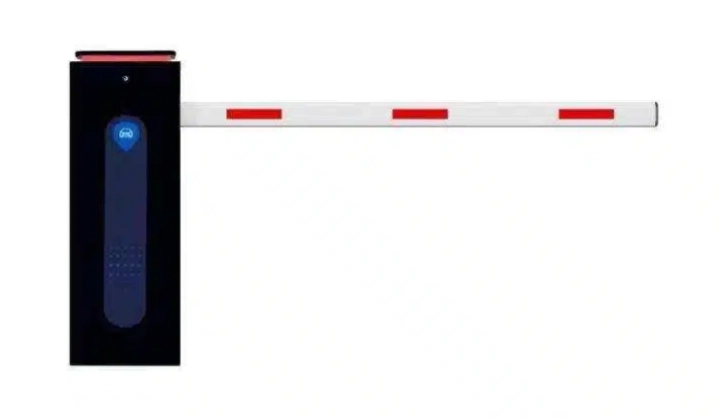
Safety holds as the top goal for any site leader. Busy spots risk crashes if detectors lack true setup to spot vehicles and walkers. You must try the feel of ground rings and make sure light sensors lack blocks. The Barrier Boom – PARK-501DS stands out here by giving quick safety links that join well with varied spot techs. Steady tests of these parts make sure the stop-crush reason works right, stopping the arm from dropping if a person or vehicle blocks the way.
Ground Loop Detector Sensitivity and Frequency Fine-tuning
Metal blocks from close builds can make ground rings start wrong or miss a vehicle. You need to change the wave setups so the ring only acts to vehicles right over it. This care stops the gate from dropping too soon on trailers or long-base vehicles. Fine adjustments enhance accuracy.
Infrared Photocells Alignment and Lens Cleaning
Dust and bits on light lenses can weaken the sign and make the gate stay up or miss a block. Wiping lenses with soft cloth and checking that sender and taker line up perfect forms a fast but key safety step. Clean upkeep prevents signal loss. It ensures clear detection.
Anti-Crush Logic Verification and Rebounding Mechanism Test
The bounce back trait acts as the last safety web that turns the arm on touch. You should try this with a soft item to confirm the press feel sets correct. A working stop-crush setup forms your main shield against big harm to goods claims. Testing confirms protection levels.
Environmental Resilience and External Housing Care
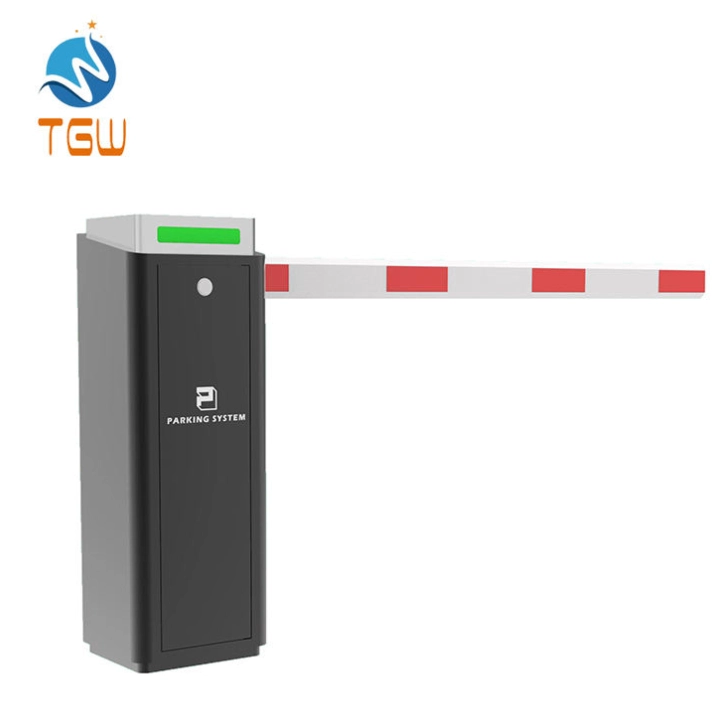
Outside gear meets steady face to changing weather, from strong sun rays to hard rain. The outer case of the barrier gate needs looks for any rust or harm that might weaken inner parts. Fast toll gates and entries call for special gear like the Barrier Boom – Tiger-PB910S, which builds to face hard work needs while keeping a pro look. Right care of the case makes sure inner electrics stay safe from weather, holding the setup’s trust in any air.
Weather-resistant Coating Integrity and Rust Prevention
Even good covers can get chips or marks over time from road bits. You should look at the paint for bare metal and put on fix paint to stop rust spread. Keeping the outer sealed shields inner body and electric parts from wet. This preserves overall durability.
Ventilation Vents Cleaning and Temperature Control Check
Inner parts make heat that must leave through case airs. You must clear webs, dust, or bits that block these air ways. Right air flow stops the motor and control board from too hot in warm summer times. Checks maintain cool operation.
Waterproof Seal Inspection for Motor Enclosure
Rubber rings around door and wire entries stop rain from going into touchy inner spots. You should check these rings for breaks or hard from sun face. Changing worn rings makes sure the setup works even in hard rains or wet air. Inspections ensure weather resistance.
Strategic Recommendations for TigerWong Premium Barrier Solutions
Picking the right gear counts as much as caring for it. A good-chosen barrier gate lowers upkeep times and gives better user feel. TigerWong brings full technical help and OEM/ODM work to make sure the picked hardware fits your site needs exact. By choosing pro-level fixes, you gain from a setup built for lasting, backed by a world net of experts, and made to meet top safety rules in the field.
Reach to skilled advice matters for long win. You can count on pro research teams to help with setup jobs or give technical paths fit to your project wants. This world help net makes sure your gear stays working no matter where you are. Support ensures ongoing success.
FAQ
Q1: How often should I perform a safety test on the anti-crush mechanism?
A: While a full inspection is required quarterly, you should perform a basic functional test of the anti-crush rebound mechanism monthly to ensure maximum safety in high-traffic zones.
Q2: Can I integrate these barrier gates with my existing license plate recognition system?
A: Yes, these systems are designed with multi-interface compatibility, allowing you to integrate them with LPR software, RFID readers, and various third-party access control platforms.
Q3: What should I do if the barrier arm does not open during a power outage?
A: You should use the manual override key or clutch mechanism to lift the arm. Regular maintenance includes checking that this manual release is lubricated and easy to operate.