
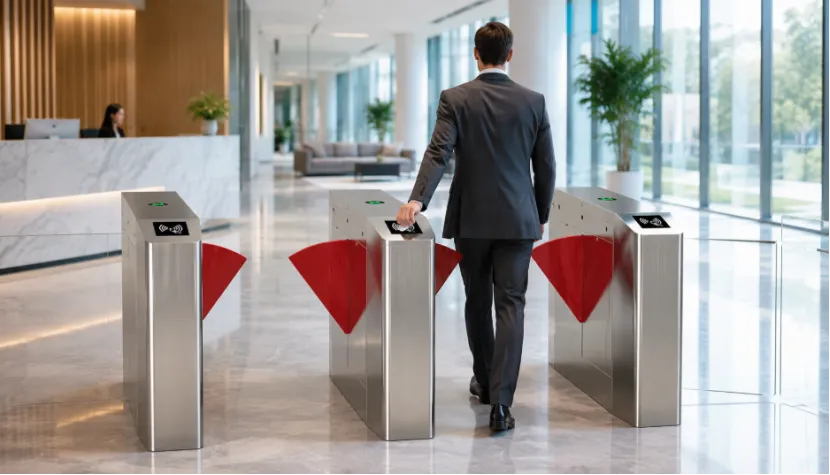
لماذا يُعدّ التكامل أمراً مهماً قبل الشراء؟
إذا كان لديك نظام تحكم في الوصول قائم بالفعل، فإن السؤال الحقيقي ليس "هل يمكن فتح البوابة؟" بل "هل يمكن فتح البوابة في الوقت المناسب، للشخص المناسب، وإرسال البيانات الصحيحة؟" لهذا السبب يبحث العديد من المشترين عن كيفية قم بتوصيل بوابة الحاجز القلاب بنظام التحكم في الوصول قبل طلب عرض سعر. قد يؤدي عدم التوافق إلى فوضى في الأسلاك، أو تأخير في التسليم، أو ما هو أسوأ من ذلك، وقوف الموظفين بجانب بوابة جديدة تمامًا وفتحها يدويًا.
تُعدّ شركة TigerWong اسمًا بارزًا في هذا المجال. تتخذ الشركة من شنتشن مقرًا لها، ولديها خبرة تزيد عن 25 عامًا في مجال أنظمة المواقف الذكية وأنظمة التحكم بالدخول، وأكثر من 15 عامًا في حلول البوابات الدوارة، بالإضافة إلى مصنع يمتد على مساحة 4000 متر مربع، ومشاريع تخدم أكثر من 10000 عميل في أكثر من 155 دولة. تشمل أعمالها أنظمة المواقف الذكية، والبوابات الدوارة، وأنظمة التعرف على الوجوه، وأنظمة التعرف التلقائي على لوحات المركبات، وأنظمة مواقف السيارات ببطاقات RFID، وحلول التحكم بالدخول. يُعدّ هذا الأمر بالغ الأهمية للمشتري، لأن مدخل المشاة نادرًا ما يعمل بشكل مستقل، إذ يحتاج عادةً إلى أجهزة قراءة، وبرمجيات، ودعم للأسلاك، ومنطق أمان، وصيانة دورية.
ابدأ بنظامك الحالي
قبل اختيار بوابة حاجز قلابة للتحكم في الدخول، تحقق من النظام الذي تستخدمه حاليًا. هل هو نظام دخول ببطاقة RFID، أو التعرف على الوجه، أو بصمة الإصبع، أو رمز الاستجابة السريعة/الباركود، أو زر؟ تيجر وونغ يدعم TGW-WT002 طرق الوصول الشائعة هذه، مما يجعل دمج التحكم في الوصول لبوابات الحواجز القلابة أسهل بالنسبة لمباني المكاتب والمدارس والمصانع ومواقع النقل.
ما الذي يجب عليك فحصه قبل توصيل الأسلاك؟
بوابة الحاجز الدوارة ليست سوى جزء واحد من المدخل. يقوم جهاز التحكم بالدخول بفحص المستخدم أولاً، ثم يرسل أمر الفتح. يستقبل الباب الدوار الأمر، ويفتح الأجنحة، ويتحقق من حركة المشاة، ثم يغلق مرة أخرى. يبدو الأمر بسيطاً نظرياً، لكن في الواقع، قد يؤدي فقدان لوحة تعريف سلكية واحدة إلى إضاعة وقت طويل.
طابق البروتوكول
بالنسبة لأنظمة التحكم بالدخول الخارجية، تُعدّ تفاصيل نوع الإشارة والبروتوكول أساسية. يُستخدم عادةً نظام بوابة حاجز ويغاند عند توصيل وحدة التحكم بقارئات البطاقات أو قارئات البيانات البيومترية. بينما تُناسب بوابة دوارة RS485 الكابلات الطويلة أو الاتصال بين أجهزة متعددة. أما بوابة دوارة TCP/IP فهي الأنسب عند إدارة الأبواب والمستخدمين والسجلات عبر برامج الشبكة.
ينبغي عليك أيضًا الاستفسار عن إشارة الترحيل لبوابة الدوران ونظام التحكم بها عبر التلامس الجاف. ترسل العديد من لوحات التحكم بالدخول إشارة فتح إلى بوابة الدوران بعد الموافقة على دخول المستخدم. وتشير إرشادات تكامل أنظمة التحكم بالدخول في هذا القطاع إلى أن لوحة التشغيل الآلي قد تحتاج فقط إلى مخرج مفتاح من نظام التحكم بالدخول، بينما يمكن إرسال إشارات التغذية الراجعة عند الحاجة إلى مراقبة الحالة.
كيف يتم توصيل البوابة بنظامك؟
يسهل شرح آلية العمل المعتادة: يُقدّم المستخدم بيانات اعتماده، ويُصدّق عليها النظام، ثم تُفتح البوابة، وتُراقب أجهزة الاستشعار المرور، ثم تُغلق البوابة. في ردهة مزدحمة، لا بدّ أن تبدو هذه العملية برمتها غير ملحوظة. لا أحد يرغب في تشكّل طابور بسبب خلل في التواصل بين قارئ البطاقات ولوحة البوابة.
من التحقق إلى النجاح
في أنظمة التحكم بالوصول لبوابات الحواجز القلابة، لا يتصل قارئ البطاقات دائمًا بلوحة المحرك مباشرةً. في كثير من الأحيان، يتصل القارئ بوحدة التحكم بالوصول، والتي بدورها ترسل أمر الفتح إلى البوابة. هذه هي الفكرة الأساسية وراء... نظام التحكم في الوصول بالبوابة الدوارة.
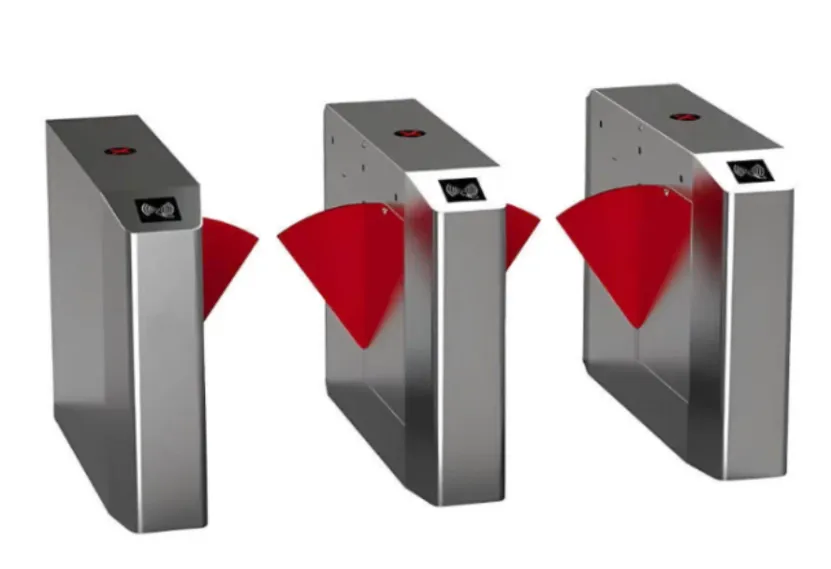
يسمح جهاز TGW-WT002 بمرور شخص واحد عبر كل فتحة، ويدعم الدخول والخروج في اتجاه واحد أو اتجاهين. تتضمن معلومات المنتج ثلاث مجموعات من أجهزة استشعار السلامة والمنطق، وجهاز إنذار ضد الاقتحام والتسلل، وتصميمًا مضادًا للانحشار يعمل بالأشعة تحت الحمراء، حيث يرصد مواقع المشاة في الوقت الفعلي ويوقف البوابة مؤقتًا عند حدوث أي اقتحام غير طبيعي. وهذا أمر بالغ الأهمية عند مدخل المدرسة في الساعة 7:50 صباحًا، فالأطفال لا يسيرون دائمًا في صفوف منتظمة.
ما هي تفاصيل التركيب التي يمكن أن توفر عناء إعادة العمل؟
لا ينبغي أن يقتصر دليل تركيب الحواجز المزودة بأغطية على إظهار البراغي فقط، بل يجب أن يذكّرك باختبار الطاقة، والتحقق من التأريض، وتخطيط مسار الكابلات، وترك مساحة للصيانة المستقبلية. قد لا تبدو هذه التفاصيل جذابة، لكنها تُحدد مدى نجاح مشروعك ونجاحه.
تحقق من الطاقة والتأريض والمساحة
اطلب مخطط توصيل أسلاك بوابة الحاجز ذات القلاب قبل بدء أعمال البناء المدنية. توصي إرشادات تركيب الحواجز القابلة للطي عادةً بإجراء اختبار مؤقت للطاقة قبل التثبيت النهائي، واختبار ذاتي بعد تشغيل الطاقة، وقاعدة خرسانية آمنة، وكابل أرضي موصول، ومساحة كافية على الجدار للصيانة والتشغيل.
بالنسبة لبوابة TGW-WT002، فإن بيانات الموقع الرئيسية واضحة: هيكل من الفولاذ المقاوم للصدأ SS-304، أبعادها 1200 مم × 300 مم × 980 مم، وزنها حوالي 45 كجم، عرض الممر 550-600 مم، تعمل بجهد كهربائي AC100-220 فولت، معدل مرور 30-40 شخصًا في الدقيقة، مزودة بتقنية TCP/IP، ونطاق درجة حرارة التشغيل من -25 درجة مئوية إلى +60 درجة مئوية. وهي أيضًا بوابة حاجز قلابة مزودة بتقنية TCP/IP، مما يُسهّل إدارة سجلات نظام التحكم في الوصول TCP/IP المركزي.
لماذا تختار TigerWong TGW-WT002؟
إذا كان موقعك الإلكتروني يحتوي بالفعل على برامج قراءة وبرمجيات، فربما لا ترغب في استبدال كل شيء. أنت بحاجة إلى بوابة تتناسب مع إعداداتك الحالية وتتيح مجالًا للتغييرات المستقبلية. وهنا تبرز فائدة بوابة TigerWong TGW-WT002 في مشاريع ترقية المواقع القائمة.
مصمم للتكامل العملي
بوابة الحاجز الدوارة TGW-WT002 هي جهاز فعال من حيث التكلفة، ومستقر، وموثوق لإدارة حركة المرور، ومناسب للمؤسسات، والمدارس، ومحطات المترو، والملاعب، وغيرها من مداخل المباني ذات الحركة المرورية العالية. تدعم هذه البوابة تكامل أنظمة التحكم في الوصول Wiegand، ومشاريع أنظمة التحكم في الوصول RS485، والوصول عبر الشبكة باستخدام بروتوكول TCP/IP. كما تُشير شركة TigerWong إلى دعمها لمعظم أنظمة الجهات الخارجية عبر Wiegand أو RS485 أو TCP/IP، وتوفر أدلة التثبيت ومقاطع الفيديو، مع التوصية بالاستعانة بخبراء متخصصين في المشاريع المعقدة. يُعد هذا بمثابة ضمانة قيّمة للمشترين الذين يحتاجون إلى دعم تكامل البوابات الدوارة.
لـ حل تكامل بوابة الحاجز ذات القلابأرسل طراز وحدة التحكم الحالية، ونوع القارئ، والبروتوكول، وعدد المسارات، وصور الموقع، وما إذا كنت بحاجة إلى معلومات عن حالة النظام. هذه الخطوة التحضيرية البسيطة توفر الكثير من المراسلات.
للاطلاع على المزيد من خيارات التحكم في الوصول والدخول، تفضل بزيارة موقع TigerWong.
أسئلة متكررة
س1: هل يمكنك توصيل بوابة حاجز قلابة بنظام تحكم في الوصول موجود؟
ج: نعم. يمكنك توصيل بوابة الحاجز ذات القلاب بمشاريع أنظمة التحكم في الوصول عندما يتطابق نوع الإشارة والبروتوكول. يدعم جهاز TGW-WT002 تكامل Wiegand وRS485 وTCP/IP.
س2: ما هو أفضل بروتوكول لدمج نظام التحكم في الوصول لبوابة الحاجز القلاب؟
ج: يتوافق بروتوكول ويغاند مع العديد من قارئات البطاقات والبيانات البيومترية. يُعدّ بروتوكول RS485 مفيدًا لاتصال مستقر بين الأجهزة. يعمل بروتوكول TCP/IP بشكل جيد لإدارة الشبكة وسجلات الإدخال.
س3: هل تحتاج إلى مخطط توصيل أسلاك بوابة الحاجز ذات القلاب قبل التركيب؟
ج: نعم. يساعد مخطط الأسلاك الكهربائي فني الكهرباء على تأكيد توصيل الطاقة، والتأريض، وإشارة المرحل، وكابل الاتصال، وتوصيل القارئ قبل حفر البوابة أو إصلاحها.
س4: ما هي ميزات السلامة التي يجب عليك فحصها؟
أ: تحقق من منطق البوابة الدوارة التي تسمح بمرور شخص واحد فقط، ووظيفة بوابة الإنذار عند الاقتراب من المارة، ووظيفة بوابة الإنذار عند محاولة الاقتحام، ومستشعرات بوابة الحاجز المانع للانحشار.
س5: متى تحتاج إلى دعم فني متخصص في التركيب؟
أ: استخدم خدمة تركيب بوابات الحواجز ذات الألواح الدوارة الاحترافية عندما يكون لديك مسارات متعددة، أو مدخل ثنائي الاتجاه، أو برنامج للزوار، أو ملاحظات الحالة، أو اتصال معقد بنظام طرف ثالث.